


Antique Glass Curiosities
These antique glass curiosities bring together Victorian taxidermy, display domes, and bijouterie tables to house unusual specimens.
Antique Glass Curiosities
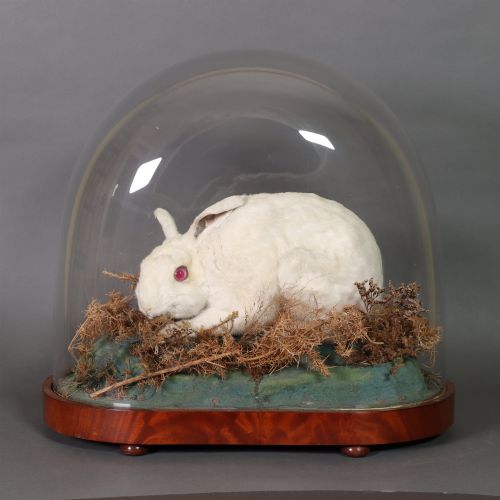
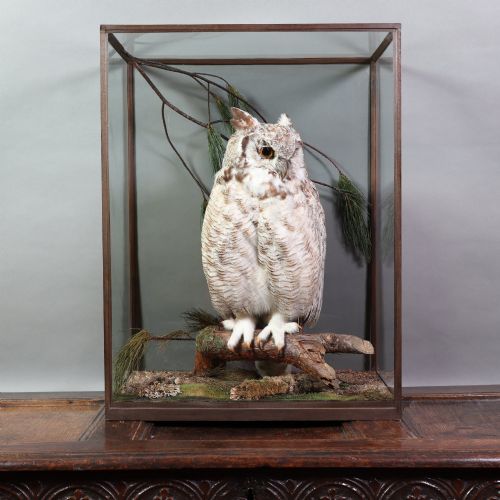
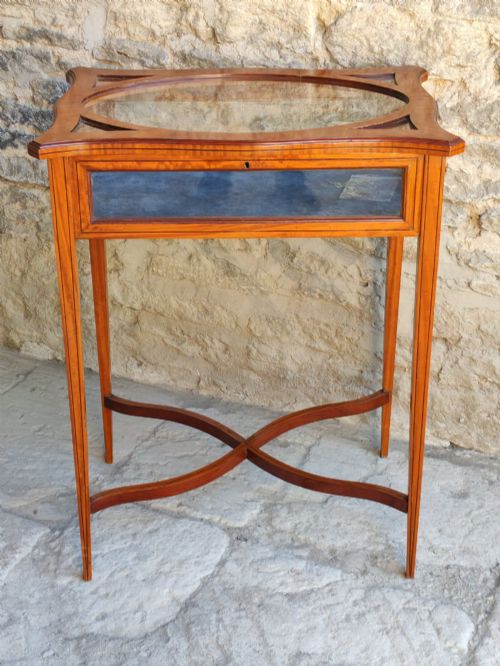
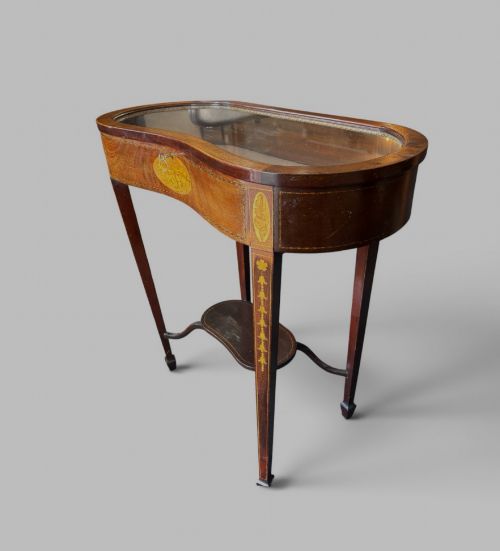
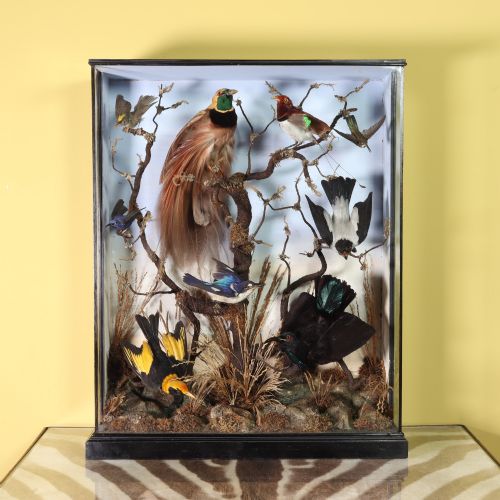
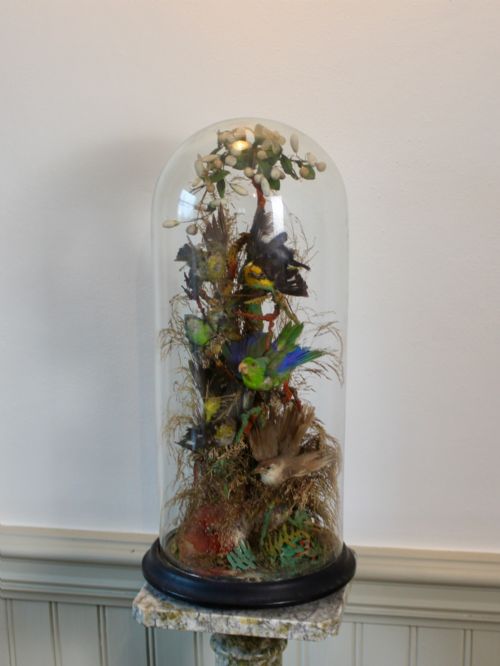
When you search for antique glass curiosities, you encounter a distinct mix of nineteenth-century display cases, glass domes, and tables designed to hold specimens. The most common forms on this page are glass display domes protecting taxidermy birds and animals, alongside mahogany and satinwood bijouterie tables.
The objects originate primarily from the Victorian and Edwardian periods, reflecting a nineteenth-century fascination with natural history and scientific instruments. Alongside taxidermy under glass, the inventory includes specialised scientific apparatus like thermoscopes and experimental eggs housed within wooden and glass settings.
Materials and construction
Makers utilised clear blown glass for domes and vitrine panels, pairing fragile enclosures with robust structural woods such as mahogany, satinwood, kingwood, and ebonised timber. Velvet linings and feathers frequently accompany the taxidermy specimens contained inside the glass housings.
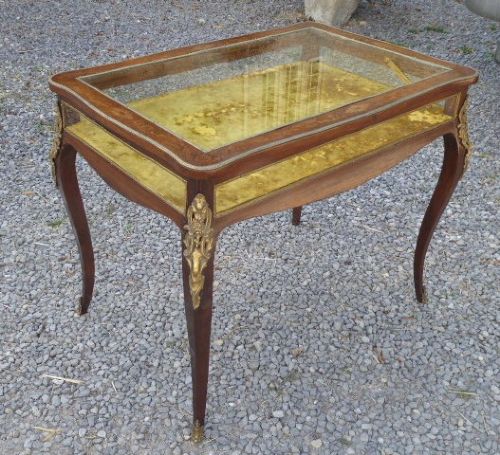
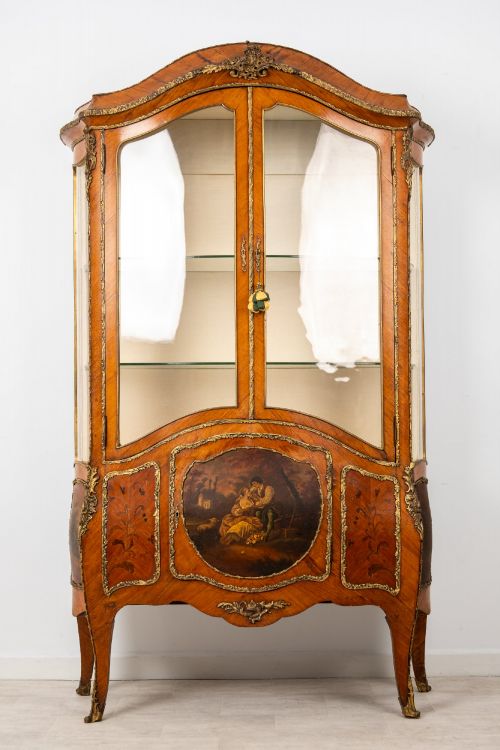
Metal mounts in brass and ormolu secure display cabinets and French revival vitrines, while fine marquetry and boxwood inlay decorate the surfaces of Edwardian and Victorian tables. Cabinetmakers constructed these pieces to showcase delicate internal arrangements while protecting fragile contents from dust.
Listings feature items from the Victorian and Edwardian periods, utilising mahogany, satinwood, velvet, and brass alongside blown glass.
Judging quality in glass curiosities
Quality rests in the harmony between the glass enclosure and the timber support, particularly in the selection of timbers like figured mahogany or detailed satinwood inlay. Superior examples demonstrate precise joinery on bijouterie tables and undamaged, clear blown glass domes that sit flush on their original wooden bases.
The artistry of the internal contents, whether taxidermy compositions by known practitioners or intricate scientific instruments, determines the standing of a piece. Finer items exhibit careful composition in naturalistic settings and preserved plumage or materials without distortion.
James Gardner·Rowland Ward Ltd·Henry Ward London·A Pollard·J Dobson·Watkins and Hill·William Ladd
The Antique Glass Curiosities Glossary
- Bijouterie table
- A glass-topped display table with a shallow drawer or compartment designed for showing small ornaments and curiosities. These pieces often feature mahogany or satinwood frames.
- Display dome
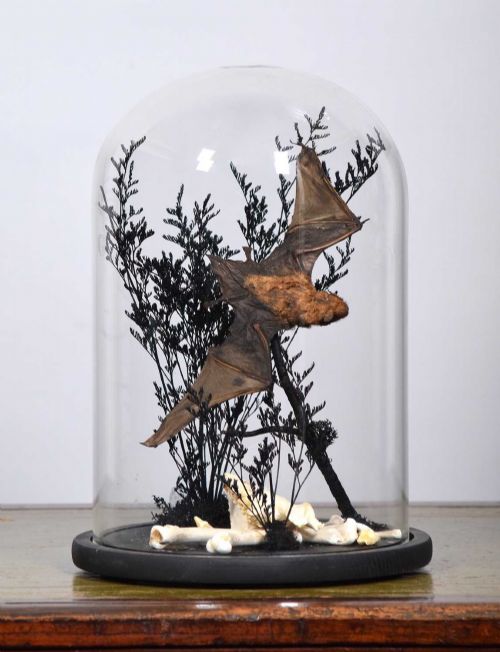
- A blown glass bell jar placed over a wooden base to protect specimens and curiosities from dust. They frequently house nineteenth-century taxidermy birds and dioramas.
- Vitrine
- A glass cabinet or display case used for exhibiting fine objects and curiosities. They often incorporate ormolu mounts and French revival styling.
- Thermoscope
- An early scientific instrument indicating temperature changes without numerical measurement. Examples exist in turned boxwood frames.
- Marquetry
- Decorative woodwork where pieces of veneer are fitted into a support to form designs. This technique decorates many Edwardian display tables.
Antique Glass Curiosities: Frequently Asked Questions
What is an antique glass dome?
An antique glass dome is a blown glass cover resting on a wooden base, historically used to protect fragile taxidermy specimens and delicate objects from dust.
These covers range from small circular versions for single specimens to tall professor's domes built for complex natural history displays.
How were bijouterie tables used?
Bijouterie tables served as drawing-room furniture where hosts could display small collectables, medals, and curiosities under a glazed top.
The glass lid kept dust away while allowing guests to inspect the contents without handling them directly.
How do I care for antique glass curiosities?
Keep glass curiosities away from direct sunlight to protect taxidermy specimens and internal fabrics from fading over time. Clean the glass gently using appropriate cloth without applying pressure to old seals or delicate frames.
Avoid moving glass domes unnecessarily, as the blown glass can be fragile and sits closely on its original timber base.
Are taxidermy domes Victorian?
Many taxidermy domes originate from the Victorian period when natural history collecting became a popular pastime in British homes.
Makers arranged birds and animals in naturalistic settings under glass to mimic living habitats.