


Vintage Pharmacy Vessel
A vintage pharmacy vessel is a functional relic of historical medicine, sought after for its striking display form and tangible connection to the apothecary shop.
Vintage Pharmacy Vessel
A vintage pharmacy vessel encompasses a range of containers and implements utilised in historical apothecaries, chemist shops and dispensaries. The selections span the 18th century, Victorian era, Edwardian period and early 1900s, reflecting the changing needs of medical practitioners over centuries.
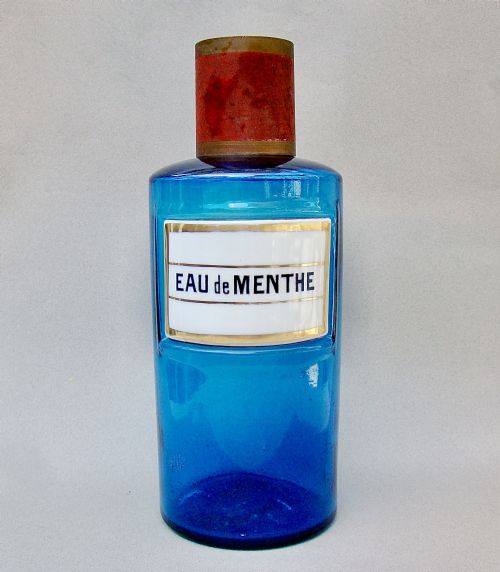
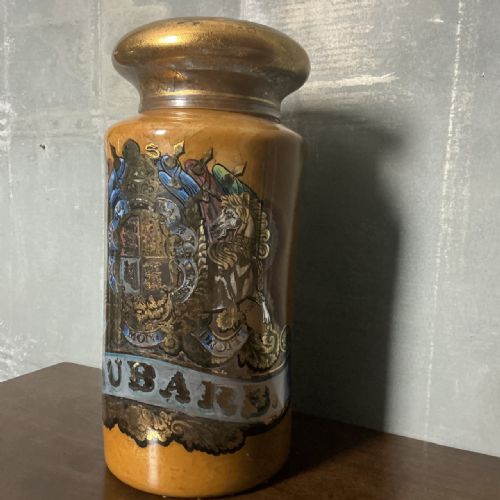
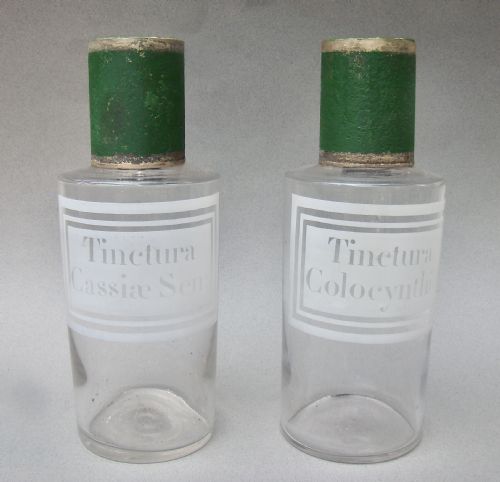
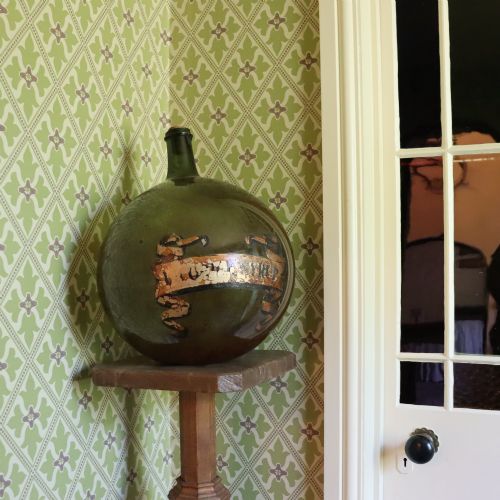
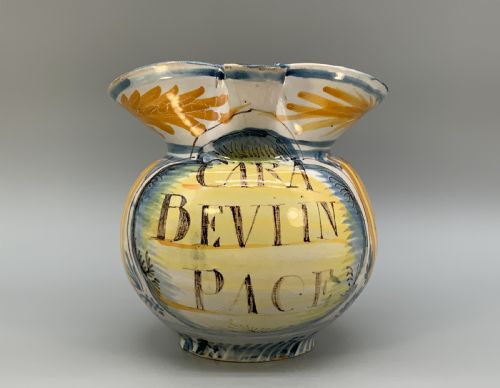
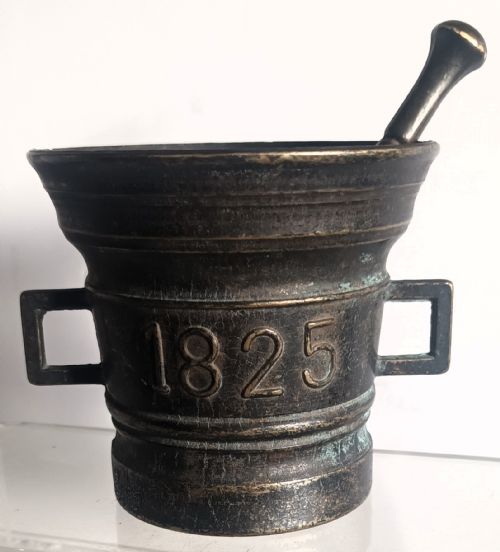
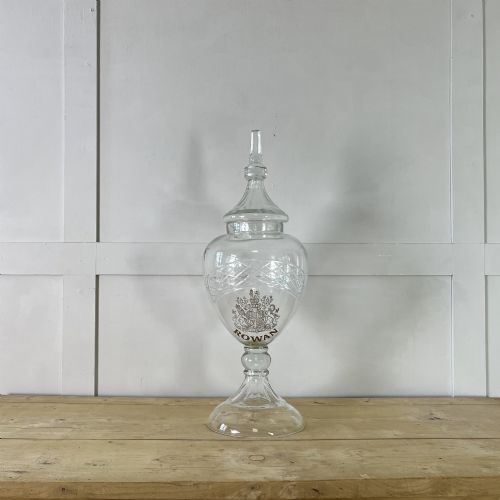
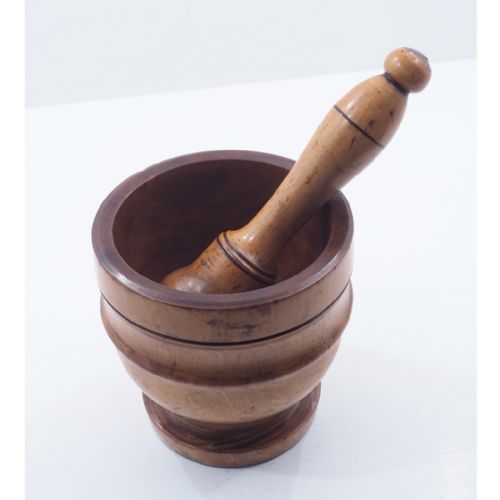
Buyers encounter distinct object types on this page, most notably large glass carboys, lidded apothecary jars, chemists' mortars and pestles, and ceramic drug jars. Glassware and ceramic vessels dominate the available inventory, accompanied by metal mortars from English and continental workshops.
Ceramic forms include Italian Majolica albarello pharmacy wet drug jars and tin-glazed faience pieces dating back to the 18th and 19th centuries. Glass pieces range from hand-blown pharmacy carboys and Bristol blue bottles to cut glass jars and gelatine containers featuring painted or etched detailing.
What varies in quality
Quality in a vintage pharmacy vessel rests upon the clarity and weight of the glass, the precision of ceramic throwing and glaze application, or the heft and casting finish of metal mortars. Superior pieces display deliberate craftsmanship in their hand-blown bubbles, crisp etched labels or intricate polychrome painted decoration.
Condition and completeness dictate the standing of individual items within their type. Lidded jars retaining their original matching covers, carboys with intact stoppers, and mortars accompanied by their correct pestles command greater interest from collectors than incomplete pairings.
Listings feature 18th-century, Victorian and Edwardian periods utilising glass, ceramic, earthenware, tin glaze, paint, gold leaf, bronze and brass.
The Vintage Pharmacy Vessel Glossary
- Carboy
- A large glass vessel with a narrow neck, traditionally used in laboratories and pharmacies to hold liquids or distilled chemicals.
- Albarello
- A type of majolica earthenware jar used by apothecaries to store ointments, dry drugs and herbal remedies.
- Faience
- Tin-glazed earthenware produced in Europe, particularly associated with Italian and French pottery traditions.
- Mortar and pestle
- A bowl and heavy club-shaped tool used together to grind, crush and mix solid medical ingredients.
- Polychrome
- Decoration employing multiple distinct colours, commonly seen on painted ceramic pharmacy jugs and drug jars.
Vintage Pharmacy Vessel: Frequently Asked Questions
What were apothecary jars used for?
Apothecaries used these jars to store herbs, dried roots, powders, pills and various medical compounds on dispensary shelves.
Their airtight lids protected sensitive ingredients from moisture and contamination in the shop.
How do I date a glass carboy?
Dating relies on manufacturing characteristics such as pontil marks on the base, glass thickness, and air bubbles trapped within the metal.
Earlier pieces from the 18th and 19th centuries typically show irregular hand-blown traits distinct from later machine-made production.
Are bronze mortars different from brass?
Bronze contains a copper and tin alloy which provides greater weight and durability for heavy pharmaceutical crushing work.
Brass mortars use a copper and zinc alloy, yielding a brighter golden hue and a slightly lighter mass.
How do I display a pharmacy carboy?
Large carboys suit placement near windows where natural light can pass through the coloured or clear blown glass.
Their substantial size makes them effective floor-standing or heavy-shelf display focal points.