


Victorian Chemist Shop Jars
These Victorian chemist shop jars bring the distinct character of the nineteenth-century apothecary straight into a modern interior.
Victorian Chemist Shop Jars
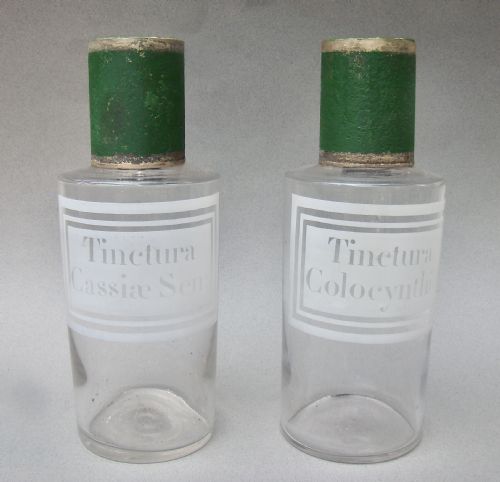
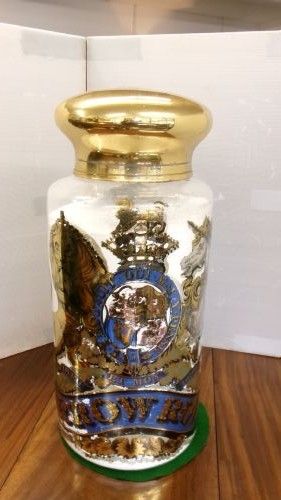
A buyer examining this selection will frequently encounter clear glass, green glass, and Bristol blue glass apothecary drug bottles alongside large display jars with covers. Sets of pharmacy bottles and box wood chemist jars also appear, alongside large glass carboys designed to hold bulk liquids in shop windows.
The forms originate from nineteenth-century apothecary and pharmacy settings, where distinct vessels held dry drugs, herbs, and liquid medicines. Surviving examples range from small labelled bottles to monumental display containers intended to catch the eye of passers-by.
Materials and Manufacture
The primary material in these pieces is glass, manipulated into clear, green, Bristol blue, mercury, and etched finishes. Makers utilised traditional blowing techniques to form the bottles, jars, and carboys, often pairing them with matching glass covers.
Surface decoration on the glass includes applied white labels, paint, and gold leaf lettering to identify the contents of each jar. Alongside glass, select pieces utilise box wood and brass fittings, reflecting the diverse material demands of nineteenth-century shop fitters.
Listings feature 19th Century, Victorian, and Edwardian periods, utilising glass, gold leaf, paint, brass, and box wood.
Assessing Quality
Quality in these chemist vessels rests on the presence of original components, such as matching covers and intact painted, gilded, or enamelled labels. The clarity of the glass and the depth of colour, particularly in Bristol blue or deep green examples, distinguish superior display pieces from standard utility bottles.
The presence of etched detailing or unusual forms, such as large carboys and box wood constructions, elevates certain pieces above standard pharmacy containers. Completeness across assembled sets of bottles or jars also determines the standing of a group within the range.
The Victorian Chemist Shop Jars Glossary
- Apothecary jar
- A vessel used in a dispensary to store dry drugs, herbs, or preparations. These containers typically feature wide necks and fitted covers.
- Carboy
- A large, bulbous glass vessel used in nineteenth-century shops to hold bulk liquids or chemical solutions. They frequently sat in windows as shop displays.
- Bristol blue
- A deep cobalt blue glass traditionally produced in the Bristol area during the eighteenth and nineteenth centuries. It was favoured for protecting light-sensitive medicines.
- Mercury glass
- A double-walled blown glass object coated on the inside with a silver liquid mixture to create a mirror-like sheen. This technique gained popularity in the nineteenth century.
Victorian Chemist Shop Jars: Frequently Asked Questions
What did chemist shop jars hold?
These vessels contained dry drugs, herbs, powders, and liquid medicines required by nineteenth-century apothecaries and pharmacists. Larger display jars held bulk stock or served as window attractions.
Smaller bottles sat on dispensary shelves, often identified by painted or gilded labels to ensure rapid access during compounding.
How do I display these jars at home?
Large carboys and display jars work well on windowsills where natural light passes through the clear or coloured glass. Sets of pharmacy bottles suit open shelving in kitchens or studies.
Keeping them away from direct structural weight allows the antique glass and wooden elements to remain secure.
Are these jars original Victorian pieces?
The pieces recorded here date from the nineteenth century and the year 1900, spanning Victorian production and French nineteenth-century work. Material characteristics such as pontil marks and traditional glass-blowing traits help confirm their period origin.
Labels and painted details reflect the authentic commercial requirements of historic chemists.
Why do some jars have blue glass?
Bristol blue glass was utilised to shield light-sensitive medicines and chemicals from degradation caused by sunlight. The deep cobalt colour served a practical medical purpose before amber glass became standard.
Today, this intense colour makes blue apothecary bottles particularly prominent within a collection.