




Vintage Medicine Jar
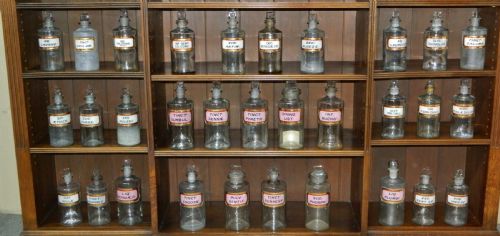
These vintage medicine jar examples bring functional pharmaceutical history straight into modern interiors with striking glass and authentic paper labels.
Vintage Medicine Jar
A vintage medicine jar brings the utilitarian storage of nineteenth-century dispensaries and chemists directly into domestic spaces. These vessels served practical roles in holding compounds, drugs, and remedies before modern packaging took over.
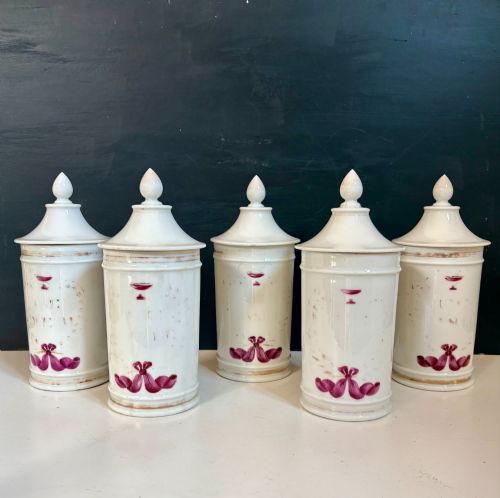
Buyers encountering this selection will most frequently meet nineteenth century and Victorian glass apothecary bottles and jars. They appear both as single display items and in sizeable sets originating from old chemist shops.
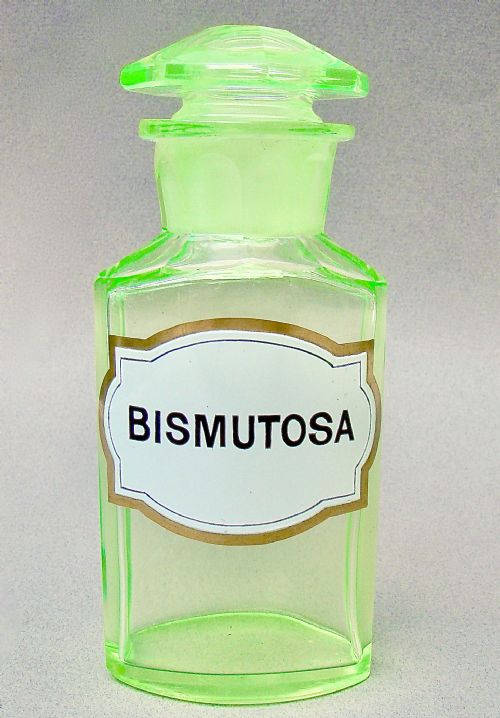
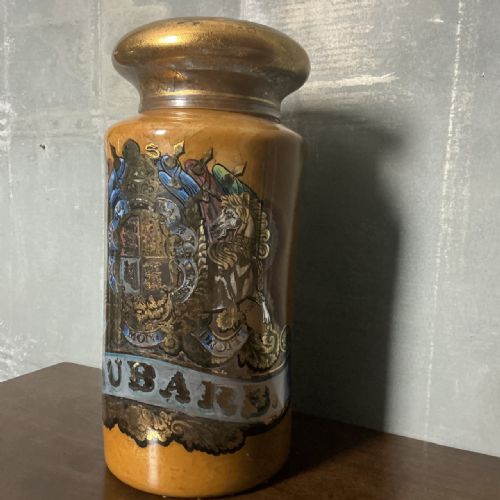
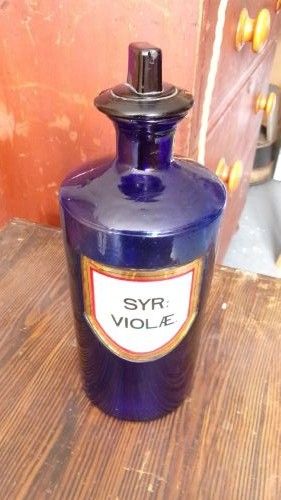
The forms range from large storage jars with lollipop stoppers to smaller drug bottles carrying their original paper labels. Cobalt glass, green glass, and clear ceramic bodies dominate the available selections.
How vintage medicine jar items were made
Glassmakers blew and moulded these apothecary vessels by hand, creating thick walls designed to protect volatile chemical contents. The resulting glass often displays natural bubbles, slight swirls, and pontil marks from the manufacturing process.
Many containers incorporate applied paper labels highlighted with gold leaf lettering to identify the stored substances. Glaze finishes and fired ceramic surfaces appear on specific jars intended for dry powders and ointments.
Listings feature glass, ceramic, paper, and gold leaf materials across Victorian and nineteenth century periods.
What varies in quality
The survival rate of fragile paper labels and original stoppers largely dictates the standing of an individual piece. Clear legibility of gold leaf lettering and intact ground glass stoppers separate utilitarian containers from superior display specimens.
Richness of glass coloration, particularly in deep Bristol blue and vibrant green examples, marks the distinction between standard utility vessels and more decorative pharmacy bottles.
The Vintage Medicine Jar Glossary
- Apothecary jar
- A vessel used by pharmacists to store dried herbs, liquids, and medicinal compounds. These containers often feature heavy glass stoppers to maintain airtight seals.
- Bristol blue
- A deep cobalt glass colour produced in England during the nineteenth century. This distinct hue protected light-sensitive medicines from degrading.
- Lollipop stopper
- A flat, rounded glass closure fitted to the top of chemist bottles. It provides a secure seal while offering a comfortable grip for the dispenser.
- Mercury glass
- A double-walled silvered glass material created to mimic solid silver tableware and decorative items. It reflects light brightly despite its simple origins.
Vintage Medicine Jar: Frequently Asked Questions
What were vintage medicine jars used for?
These vessels held liquid medicines, dry powders, and chemical compounds in nineteenth century pharmacies and dispensaries. Pharmacists relied on them for safe, airtight storage of active pharmaceutical ingredients.
They sat neatly on timber shelving behind the counter, ready for daily compounding and dispensing tasks. Their durable construction protected contents from light and moisture degradation.
How do I date an apothecary jar?
Dating relies heavily on manufacturing techniques such as mould seams, pontil marks on the base, and glass consistency. Earlier nineteenth century pieces typically show hand-blown characteristics rather than uniform machine production.
Paper label styles, typography, and stopper designs also provide reliable clues to the decade of manufacture. Victorian examples often display ornate gold leaf lettering on white cartouche labels.
Are original glass stoppers important?
Original matching stoppers significantly enhance the integrity and visual balance of any chemist bottle. Finding a piece that retains its factory-fitted closure is a distinct advantage for collectors.
Bottles were engineered as complete units, and mismatched stoppers disrupt the historic silhouette. Many surviving pieces unfortunately lost their stoppers during decades of active pharmacy use.
How should I display apothecary bottles?
Placing these bottles near natural light sources allows cobalt and green glass colours to glow effectively. Shelving units with good backlighting highlight the transparency and tactile surface textures of the old glass.
Grouping sets together creates a strong visual impact reminiscent of a Victorian dispensary interior. Care should be taken to support fragile paper labels away from excessive moisture.