
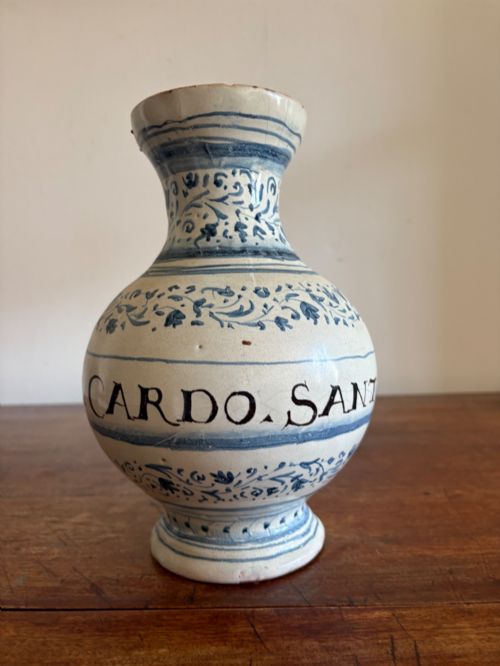


Antique Drug Vessel
An antique drug vessel is a historic ceramic or glass container once used to hold medicines, and collectors prize them for their painted apothecary labels and rich history.
Antique Drug Vessel
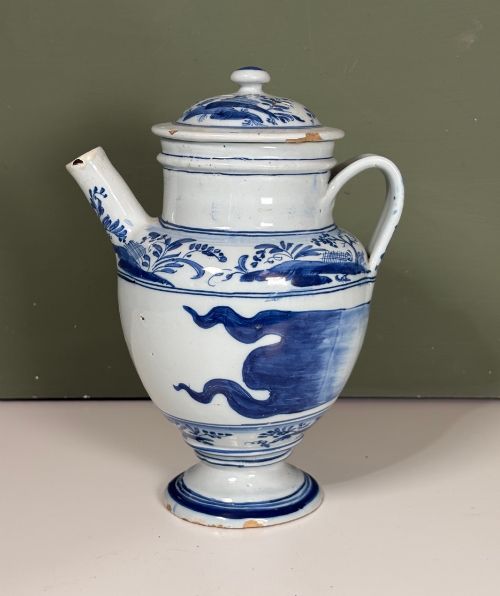
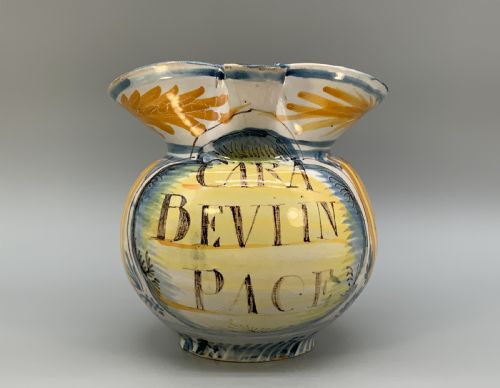
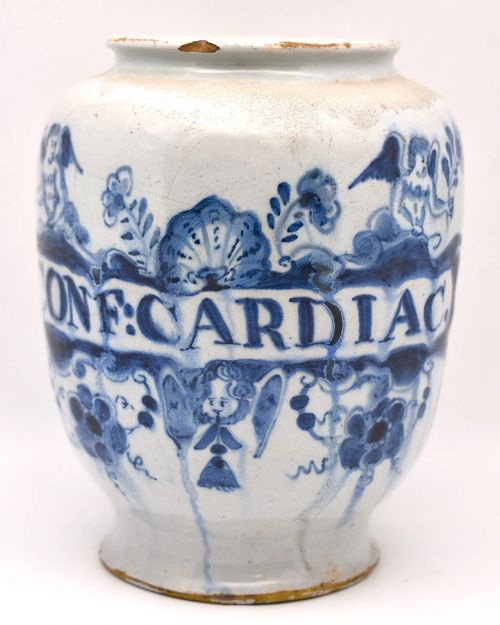
An antique drug vessel encompasses utilitarian storage jars and jugs made to hold medicines, powders, and liquids in apothecary shops. When searching for an antique drug vessel, buyers encounter ceramic jars, tall albarelli, and handled pharmacy jugs from the eighteenth and nineteenth centuries.
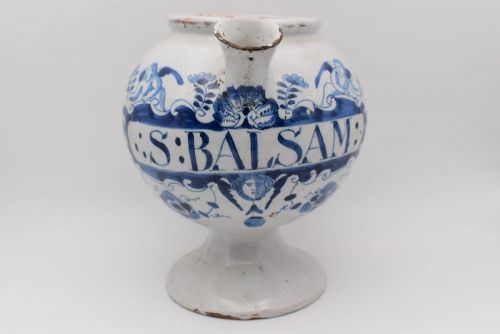
The pieces appearing here span Dutch, English, and Italian traditions, alongside Victorian glass examples. Forms range from straight-sided albarelli to wet drug jugs equipped with spouts and covers.
Materials and methods
Potters shaped these vessels from earthenware and tin-glazed earthenware, applying opaque white tin glazes to create smooth surfaces for painted decoration. Cobalt pigment and polychrome minerals provided the palette for pharmacy labels and ornamentation.
Glassmakers also produced utilitarian storage containers, such as gelatine jars, utilising blown and moulded glass techniques during the Victorian era.
Listings feature earthenware, tin-glazed earthenware, ceramic, glass, and cobalt pigment across the eighteenth and nineteenth centuries.
Factors of quality
Quality rests upon the clarity and artistry of the painted pharmaceutical inscription, alongside the preservation of the original tin glaze. Crisp brushwork on cobalt blue lettering or polychrome motifs distinguishes superior items.
The presence of matching covers on wet drug jugs and albarelli elevates a piece, as does a well-documented provenance linking the vessel to specific Italian, English, or Dutch workshops.
Samuel Alcock and Co
The Antique Drug Vessel Glossary
- Albarello
- A cylindrical earthenware jar used by apothecaries to store dry drugs, ointments, and electuaries. These vessels typically feature an incurved waist for a secure grip.
- Tin-glazed earthenware
- Pottery covered with a lead glaze made opaque by the addition of tin oxide. This surface served as a white canvas for painted decoration before firing.
- Wet drug jar
- A pharmacy vessel designed with a spout and handle for pouring liquid medicines and syrups. They often bear abbreviated Latin labels indicating their contents.
- Polychrome
- Decoration employing multiple colours rather than a single pigment. In these collections, painters used manganese, yellow, and blue alongside cobalt.
Antique Drug Vessel: Frequently Asked Questions
What were antique drug vessels used for?
Apothecaries and chemists utilised these vessels to store dry herbs, pills, ointments, and liquid syrups on dispensary shelves. The painted labels identified the specific medicinal contents.
Over time, these utilitarian containers transitioned from working shops into cabinets of curiosity and decorative displays.
How do I identify a wet drug jar?
Wet drug jars feature an integrated pouring spout and a side handle, distinguishing them from dry albarelli. They held liquid medicines, oils, and syrups.
Many retain abbreviated Latin inscriptions denoting pharmaceutical preparations.
How should I clean my apothecary jar?
Tin-glazed earthenware requires gentle dusting with a dry cloth to protect the historic glaze and pigment. Moisture can seep into old ceramic bodies through hairline cracks.
Avoid chemical cleaning products and submerging porous earthenware in water.
What is an albarello?
An albarello is a cylindrical ceramic jar with an indented waist designed for holding dry medical compounds. The shape allowed pharmacists to stack and lift jars easily from crowded shelves.
Origins trace back to Islamic drug jars that inspired European majolica and delftware makers.