

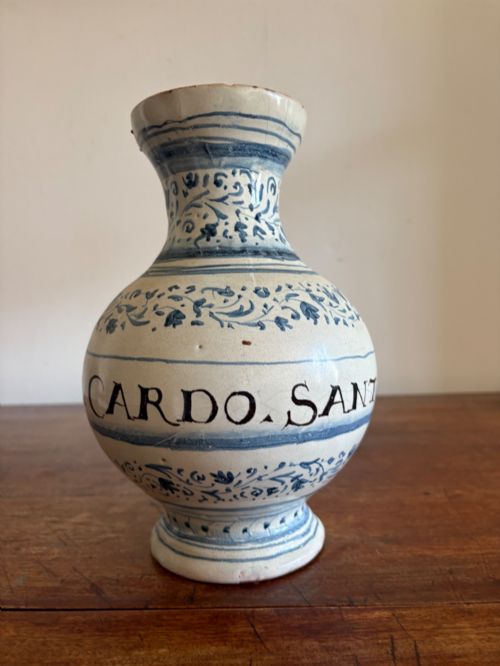


Glazed Ceramic Drug Jar
These glazed ceramic drug jar examples are historical apothecary vessels holding old remedies, sought after for their painted surfaces and connection to early medicine.
Glazed Ceramic Drug Jar
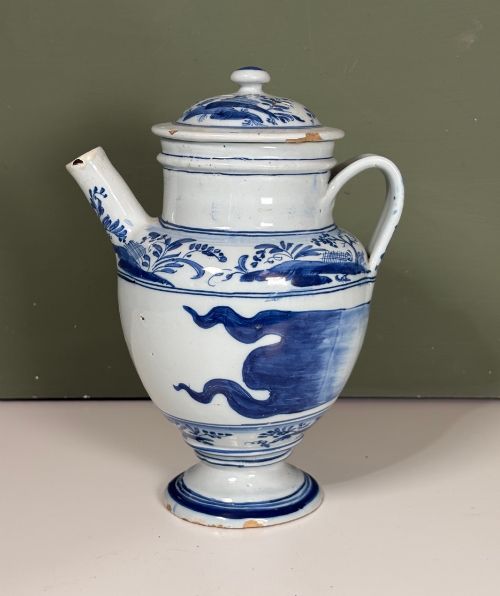
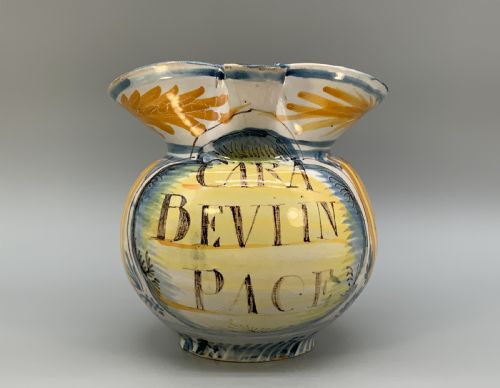
When you examine a glazed ceramic drug jar, you encounter vessels produced across the seventeenth, eighteenth, and nineteenth centuries for holding medicines, syrups, and dry preparations in apothecary shops. These pieces span English delftware, Dutch delft, and Italian majolica, alongside continental faience productions.
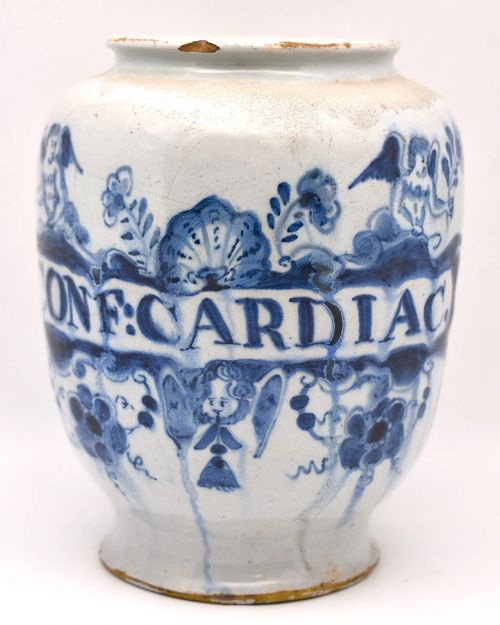
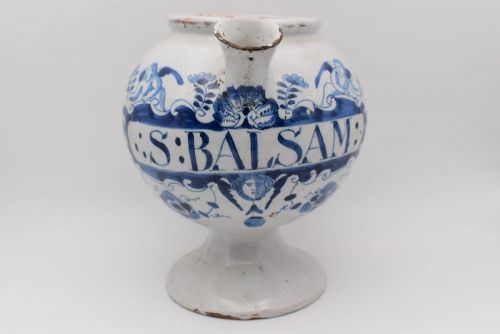
The most common forms you meet here are the cylindrical albarello and the handled wet drug jar, often painted with blue and white designs, polychrome palettes, or specific Latin inscriptions denoting contents like herbal syrups and balms.
How they were made
Makers utilised earthenware bodies covered in a tin glaze to provide a smooth, opaque white surface suitable for painting. Artisans then applied cobalt pigment, manganese, and yellow pigments directly onto the unfired or fired glaze before a final kiln firing fixed the colours.
Vessels take various forms including waisted albarellos, handled pharmacy jugs with covers, and chemist bottles. Many feature hand-painted inscriptions, cherubs, and shell motifs executed by regional potters across Italy, England, and the Netherlands.
Listings feature earthenware bodies with tin glaze, decorated using cobalt pigment, manganese, and yellow pigments across the seventeenth to nineteenth centuries.
What varies in quality
The standard of a glazed ceramic drug jar rests upon the clarity and detail of the hand-painted decoration, from simple blue and white lettering to complex polychrome figures like cherubs and shells. Crisply rendered inscriptions and sophisticated palette work distinguish finer workshop output from simpler utilitarian pieces.
Condition and completeness also define the range, particularly the survival of matching covers on wet drug jars and jugs. Early examples from the seventeenth century or documented regional centres such as Savona and Naples command particular interest among collectors.
The Glazed Ceramic Drug Jar Glossary
- Albarello
- A cylindrical earthenware jar type designed for holding dry drugs and ointments in pharmacies. This shape originated in the Middle East before becoming popular across Italian and European potteries.
- Tin Glaze
- An opaque white ceramic glaze containing tin oxide that provides a canvas for painted decoration. It defines the surface finish of delftware and majolica vessels.
- Majolica
- Italian tin-glazed earthenware decorated with coloured pigments on an opaque white background. These pieces often feature vibrant polychrome designs or blue and white motifs.
- Faience
- European tin-glazed earthenware produced in France, Italy, and the Netherlands. The term encompasses various regional styles of apothecary and decorative ceramics.
- Wet Drug Jar
- A specialised pharmacy vessel featuring a spout or handle for holding liquid medicines and syrups. These often bear inscribed labels denoting specific botanical contents.
Glazed Ceramic Drug Jar: Frequently Asked Questions
What were glazed ceramic drug jars used for?
Apothecaries and chemists utilised these vessels to store dry herbs, ointments, electuaries, and liquid syrups used in historical medical treatments. Each jar typically carried a painted label indicating the specific preparation contained within.
Over time, these utilitarian vessels transitioned from working dispensary containers to decorative objects collected for their historic painted decoration and craftsmanship.
How do I identify a wet drug jar?
Wet drug jars and jugs usually feature a handle and a lip or spout designed for pouring liquid medicines and syrups. They frequently include fitted covers and inscriptions denoting liquid preparations.
In contrast, dry jars such as albarellos maintain an open cylindrical form suited for solid ointments and botanical ingredients.
Where were these apothecary jars made?
Production centres spanned England, the Netherlands, and Italy, encompassing traditions like English delftware, Dutch delft, and Italian majolica. Specific regional styles emerged from workshops in places such as Savona and Naples.
Maker marks, such as the cardiac symbol or letter 'P', occasionally appear alongside Latin inscriptions detailing the apothecary contents.
How should I display a drug jar?
Place these jars on stable shelving or mantelpieces away from direct heat sources and high humidity to protect the earthenware body and tin glaze. Ensure they rest securely to prevent tipping, especially taller albarello forms.
Lighting should highlight the hand-painted cobalt pigment or polychrome details without exposing the ceramic to prolonged direct sunlight.