



Vintage Glass Stopper Jar
These vintage glass stopper jar pieces are practical vessels of historical utility, offering timeless storage and striking colour.
Vintage Glass Stopper Jar
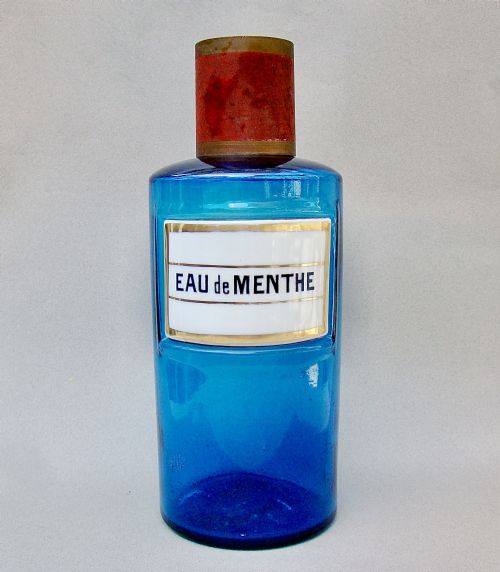
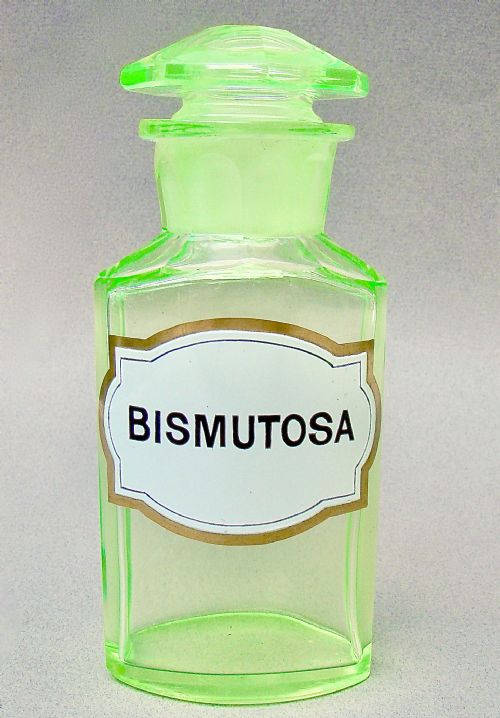
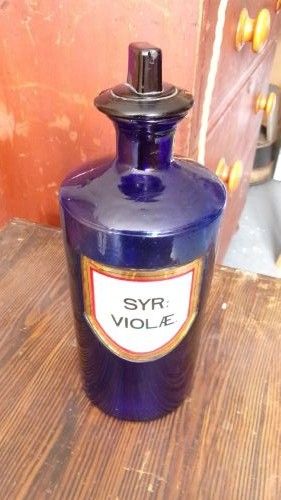
A vintage glass stopper jar is typically encountered as an apothecary bottle, chemist jar, or tincture bottle originating from the Georgian, Victorian, and Edwardian eras. These containers served functional roles in pharmacies and dispensaries, housing liquids and compounds securely behind fitted glass stoppers.
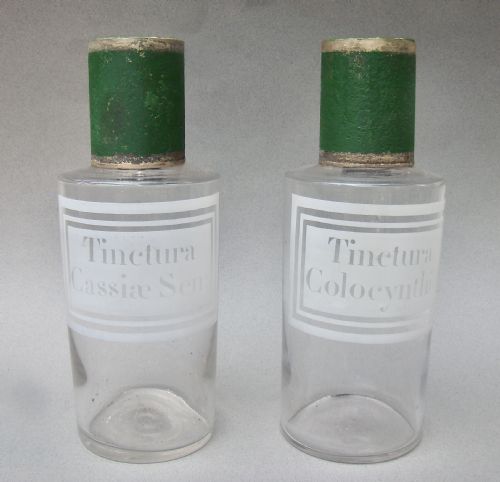
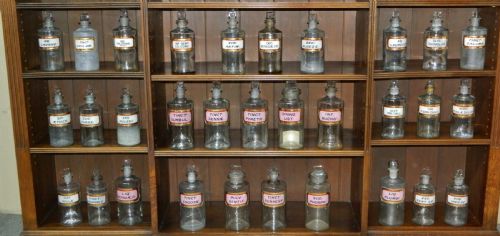
Buyers will most frequently find nineteenth-century and early twentieth-century examples on this page, often appearing in sets or pairs. Forms range from large carboys to smaller shelf bottles, sometimes retaining their original painted or paper labels.
Materials and construction methods
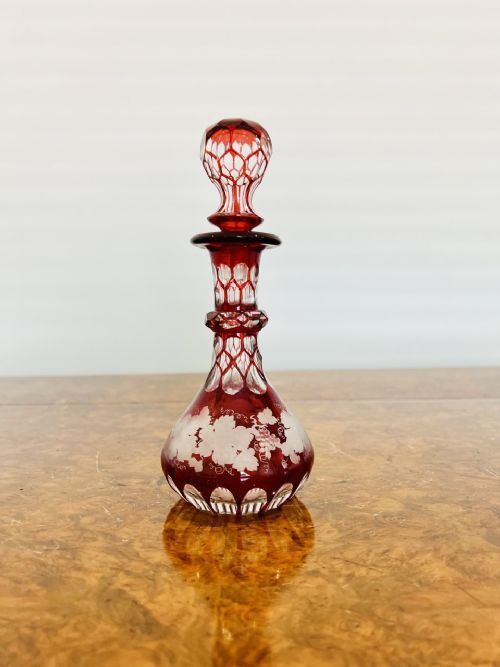
These vessels are formed from clear, cobalt, ruby, or green glass, frequently shaped through hand-blowing techniques that leave subtle imperfections and pontil marks. Etched decoration and applied gold leaf occasionally enhance the exterior surface.
Mountings in metal or silver appear on select perfume and spirit bottles from the Edwardian period, while stoppers are individually ground to fit each neck precisely.
The listings span the Georgian, Victorian, and Edwardian periods, featuring glass, silver, and paper materials.
Markers of superior craftsmanship
Superior quality in these jars is visible in the depth and tone of coloured glass, particularly rich cobalt and ruby hues, alongside crisp etching. Hand-blown consistency and the presence of matching original ground glass stoppers elevate a piece significantly.
Desirable examples often retain legible painted or paper labels indicating original apothecary contents, distinguishing working dispensary surplus from standard decorative glassware.
The Vintage Glass Stopper Jar Glossary
- Carboy
- A large globular glass bottle used historically for holding liquids in bulk. These often sat in shop windows or dispensary floors.
- Tincture bottle
- A small glass jar designed to hold alcoholic medicinal extracts. They feature tight stoppers to prevent evaporation of the contents.
- Pontil mark
- The scarred pontil scar left on the base of hand-blown glass where the punty rod was detached. It indicates traditional manufacturing methods.
- Lollipop stopper
- A flat, circular glass stopper resembling a lollipop on a short stem. This shape is characteristic of nineteenth-century chemist bottles.
- Bristol blue
- A deep cobalt blue glass traditionally produced in the Bristol area during the eighteenth and nineteenth centuries. It protected light-sensitive contents.
Vintage Glass Stopper Jar: Frequently Asked Questions
What were apothecary jars used for originally?
These jars stored chemicals, dried herbs, and liquid medicines in nineteenth-century pharmacies and dispensaries. Their tight glass stoppers kept volatile compounds sealed and protected from light.
Over time, many found their way into domestic settings or were repurposed for display because of their striking colours and varied forms.
How do I date a glass apothecary jar?
Dating relies on manufacturing traits, such as pontil marks and hand-blown irregularities typical of Georgian and Victorian production. Style shifts in stoppers and lettering also help narrow the decade.
Earlier pieces often feature rough pontils and hand-applied paper labels, whereas later twentieth-century examples display more uniform machine-moulded surfaces.
Are the glass stoppers original to the jars?
Because stoppers were individually ground to fit specific bottle necks by hand, original pairs usually remain snug and unique to that exact vessel. Swapping stoppers between jars often results in an imperfect fit.
Checking the neck interior and the base of the stopper for matching grinding marks helps confirm their original pairing.
How should I clean an antique glass bottle?
Gentle washing with warm water and mild soap removes surface dust without harming fragile aged glass or remaining paper labels. Abrasive brushes should be avoided to prevent scratching the interior.
If residue remains inside, professional conservation methods are safer than harsh chemical solvents that might damage historical surfaces.