
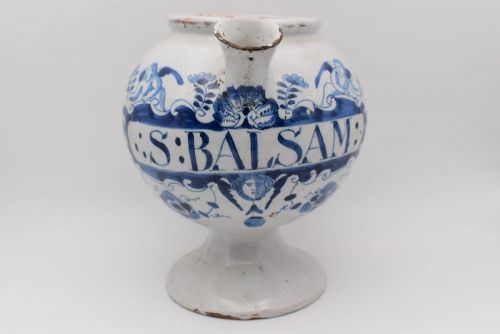

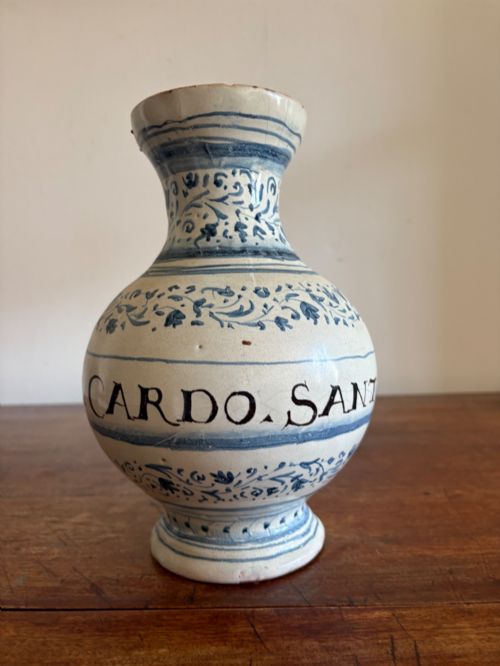


Blue White Earthenware Vessel
A blue white earthenware vessel brings centuries of tin-glazed craft, bold cobalt pigment and historic utility straight to the mantelpiece.
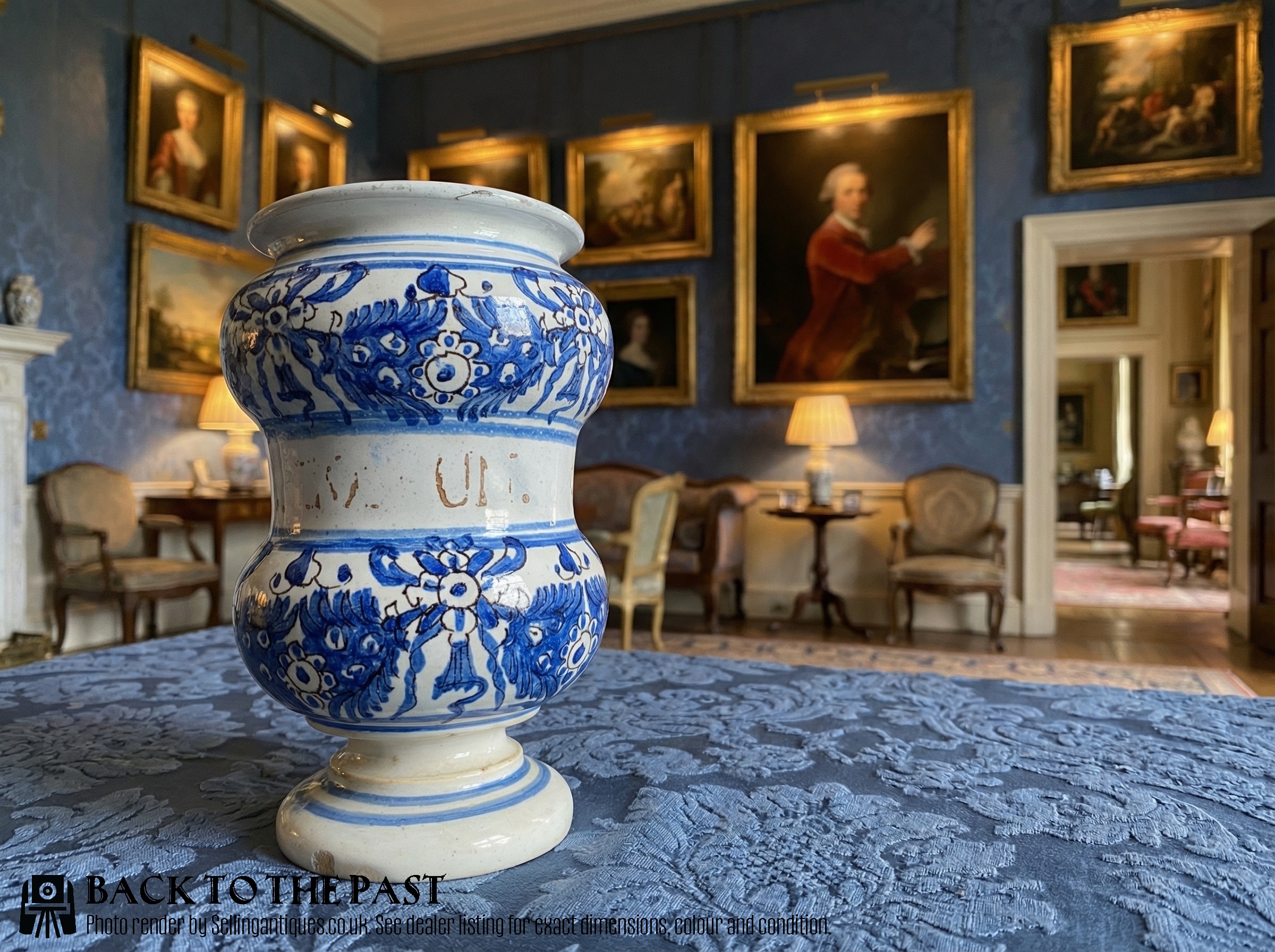
Blue White Earthenware Vessel
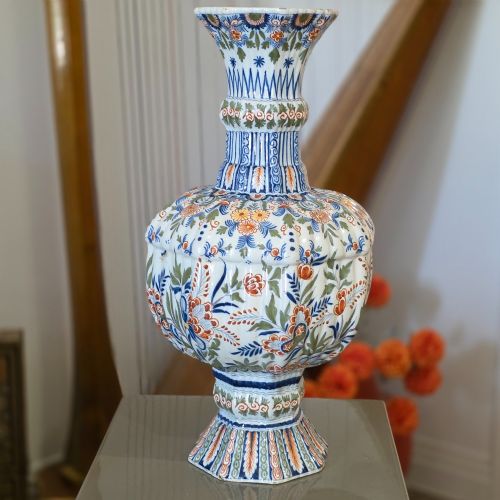
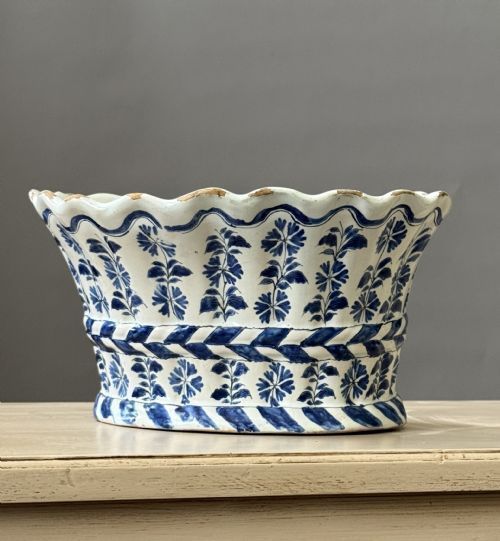
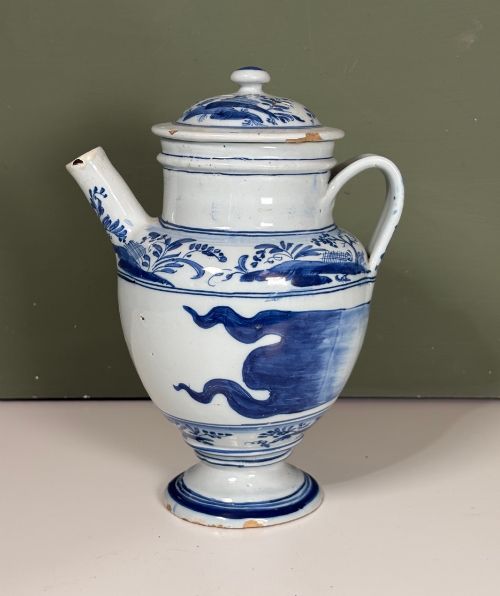
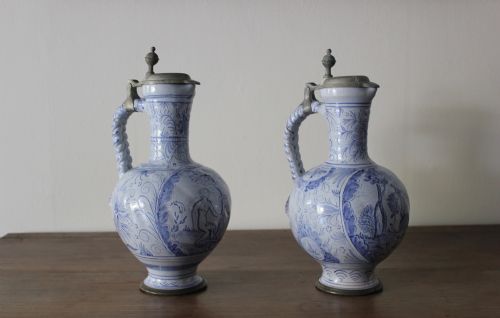
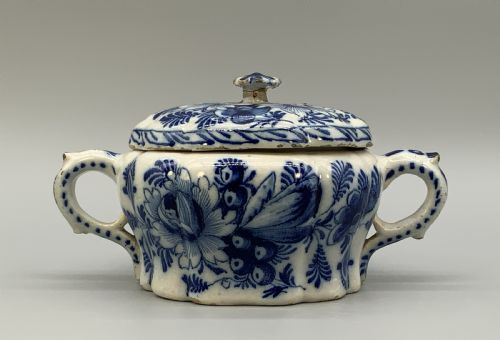
A blue white earthenware vessel encompasses a diverse range of historic ceramic forms, from seventeenth-century English posset pots and eighteenth-century drug jars to nineteenth-century footbaths and majolica albarelli. When you search for a blue white earthenware vessel, you encounter utilitarian containers and decorative pieces shaped by centuries of European pottery traditions.
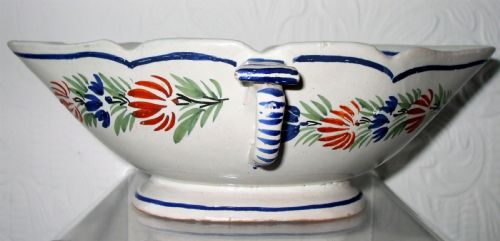
The selections on this page concentrate heavily on tin-glazed earthenware, delftware, and faience originating from English, Dutch, French, and Italian workshops. Forms span apothecary jars, vases, planters, puzzle jugs, and tureens, with eighteenth-century pieces forming a substantial core of the available items.
How they were made
Potters shaped these vessels from earthenware clay before coating them in a tin glaze that provided an opaque white surface for subsequent decoration. Artisans then applied cobalt pigment by hand to create intricate blue designs, utilising the absorbent properties of the unfired glaze to achieve distinct painted motifs.
Techniques varied across regions, with English and Dutch delftware potteries, French faience makers, and Italian majolica workshops employing local clays and specialised kilns. The resulting pieces combined structural utility with durable ceramic bodies designed for daily pharmaceutical, dining, or decorative use.
One eighteenth-century Dutch delft monkey toby jug sits cheerfully among the solemn rows of apothecary jars and footbaths.
What varies in quality
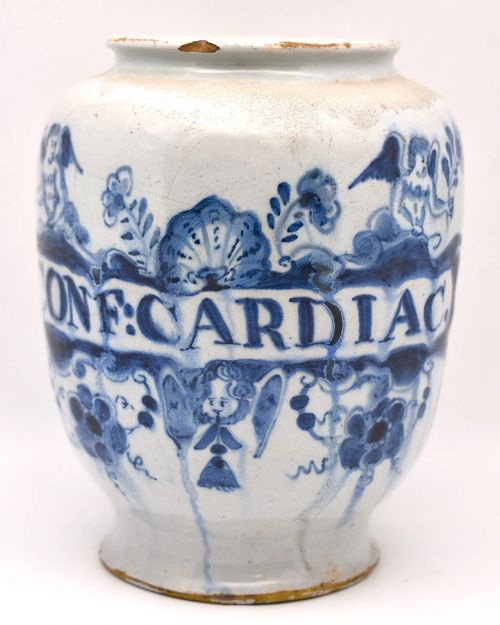
Quality in a blue white earthenware vessel rests upon the crispness of the cobalt pigment application and the stability of the tin glaze over the ceramic body. Pieces featuring detailed hand-painted motifs, such as cherubs, floral panels, or precise apothecary inscriptions, demonstrate superior artistic execution by the potter.
The overall balance of the form, the depth and brilliance of the blue white contrast, and the historical preservation of early lids or original components distinguish the finest examples. Surviving marks and regional stylistic attribution also elevate the standing of individual vessels.
Pieter Verburg·William Adams And Sons·Copeland And Garrett·Heathcote·Spode
The Blue White Earthenware Vessel Glossary
- Albarello
- A cylindrical pharmacy jar used in medieval and later apothecaries to store ointments and dry drugs. These vessels often feature a waisted profile to allow easy handling on crowded shelves.
- Tin-Glazed Earthenware
- Pottery covered with a lead glaze made opaque by the addition of tin oxide. This technique provides the characteristic white background essential for cobalt blue painting.
- Posset Pot
- A historic drinking vessel with spouts and handles designed for consuming posset, a curdled milk drink mixed with wine or ale. Examples from the seventeenth century often include lids and multiple handles.
- Faience
- European tin-glazed earthenware, particularly associated with French, Italian, and Spanish production. The term encompasses a broad range of decorative tableware and apothecary containers.
- Majolica
- Italian tin-glazed earthenware decorated with metallic oxides over an opaque white glaze. These pieces frequently display rich blue and white pictorial scenes or pharmacy labels.
Blue White Earthenware Vessel: Frequently Asked Questions
What were apothecary jars used for?
Apothecary jars held medicinal herbs, syrups, and dry drugs in historic pharmacies and dispensaries. Their clear labelling prevented errors among practitioners.
These vessels protected contents from moisture and light while remaining accessible on shop shelves. Many retained specific drug names painted directly onto the tin glaze.
How do I care for antique earthenware?
Keep antique earthenware away from direct sunlight and damp environments to protect the fragile ceramic body and glaze. Dust them gently with a dry, soft cloth.
Avoid submerging historic tin-glazed pieces in water, as moisture can penetrate old hairline cracks in the glaze. Handle them by the body rather than delicate handles or rims.
How can I tell English delft from Dutch delft?
English delftware often utilises thicker earthenware bodies and distinct glaze tones compared to its continental counterparts. Potters in London, Bristol, and Liverpool developed unique regional colour palettes.
Dutch delft frequently exhibits finer brushwork and specific tin-glaze formulations influenced by imported Chinese porcelain. Comparing the base fabric and pigment depth helps clarify the origin.
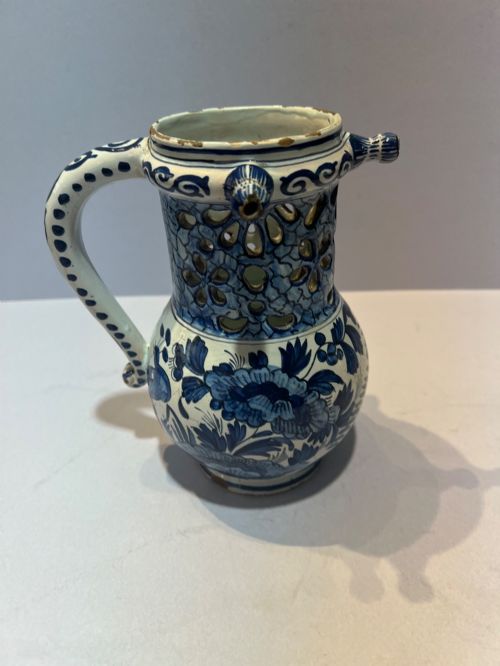
What is a puzzle jug?
A puzzle jug is a historic drinking vessel designed with perforated necks and multiple spouts that trick the drinker. Users had to cover hidden holes with their fingers to drink without spilling.
These ceramic novelties served as entertainment in taverns and social gatherings during the eighteenth century. They showcase the playful side of traditional earthenware production.