

Antique Apothecary Vessel
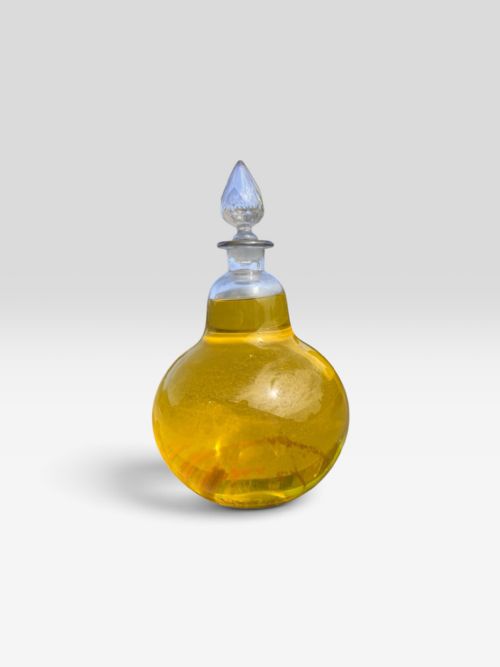
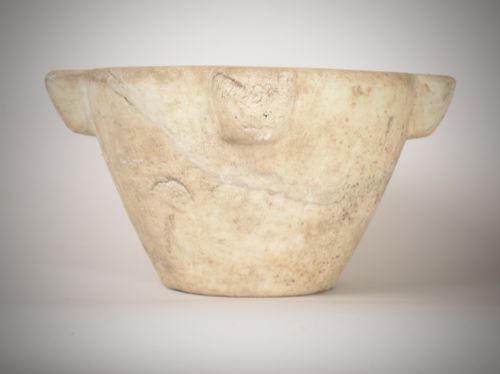
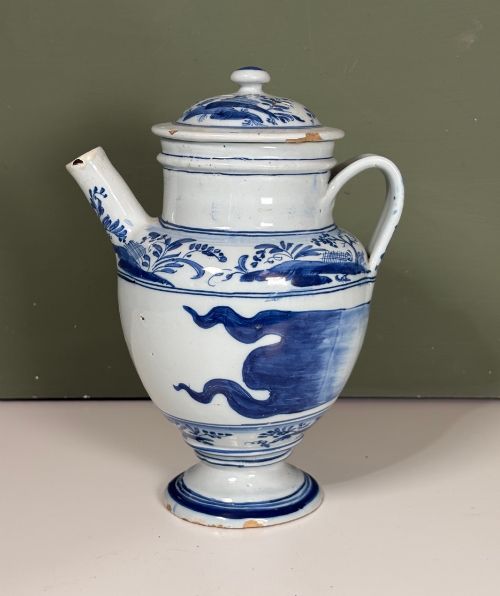
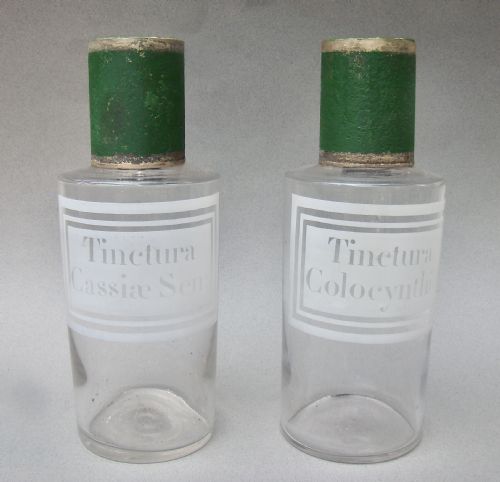
These antique apothecary vessels are historic mortars, pestles and drug jars that bring centuries of dispensary craft straight into your home.
What these pieces are
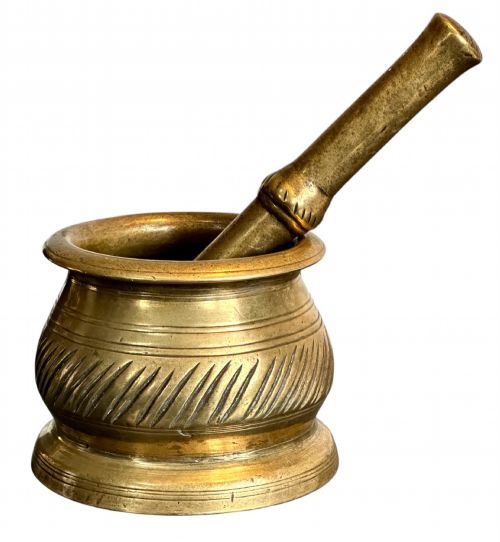
An antique apothecary vessel represents the practical containers and grinding tools used in historical dispensaries and trade workshops. When exploring antique apothecary vessel options, you encounter heavy bronze mortars, ceramic drug jars and iron implements.
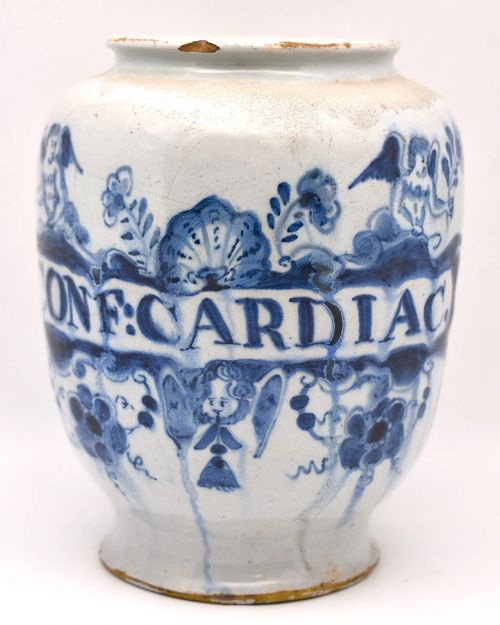
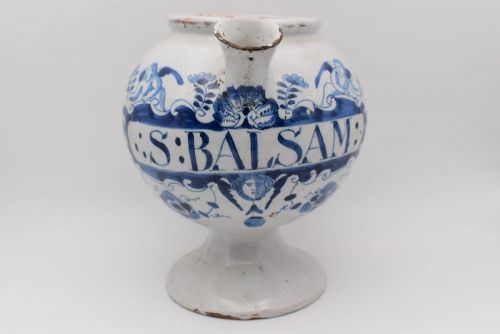
The selection spans domestic and continental workshops from the seventeenth century through to the Victorian era. Surviving forms include sturdy mortars with matching pestles alongside tin-glazed earthenware albarello drug jars designed for dry medicines.
How they were made
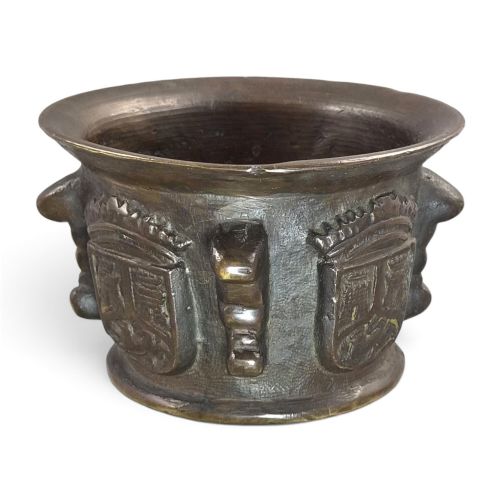
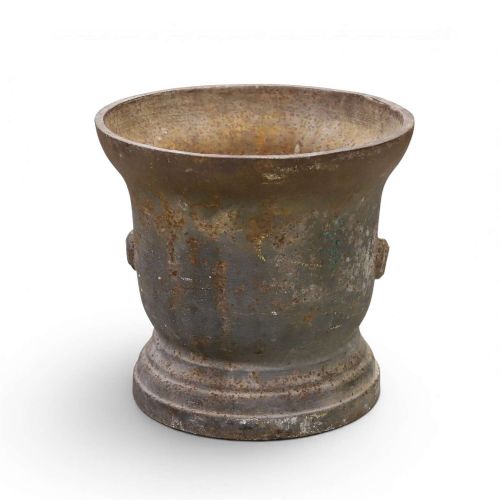
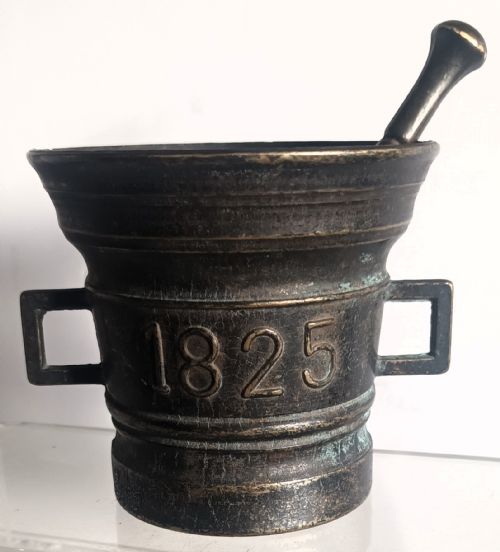
Metal vessels such as mortars and pestles rely on heavy cast bronze, brass, iron and cast bronze techniques to produce thick walls capable of withstanding crushing forces. Surface details and heraldic arms are cast directly into the metal body during formation.
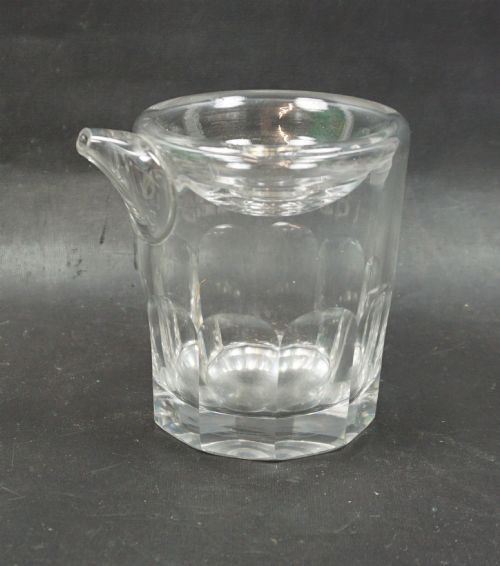
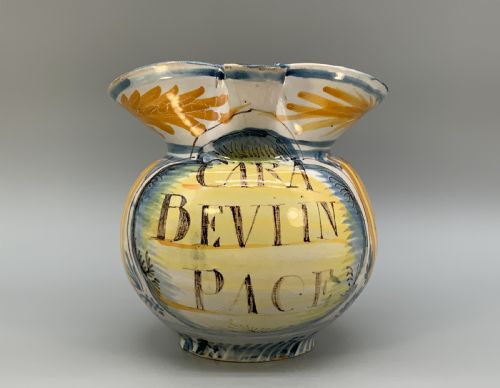
Ceramic pieces utilise tin-glazed earthenware bodies, often referred to as majolica, finished with blue and white painted pigments before final firing. Glass also appears among the material record for translucent storage.
Retail Price Guide 2026
Typical UK retail prices for apothecary vessel, calculated from the Sellingantiques database of over a million retail prices indexed since 2003. This retail price guide relies exclusively on Sellingantiques data; no external sources or auction records are used, so the figures do not describe the wider market.
One heavy industrial mortar weighs a remarkable one hundred and forty pounds, proving that historical pharmacists meant business.
What varies in quality
Quality rests upon the crispness of cast relief work, such as heraldic crests, and the proportional balance of heavy metal vessels. Superior examples display clean casting lines and harmonious weight distribution across both mortar and pestle.
Ceramic pieces are judged by the depth and clarity of the blue and white pigments on the tin glaze, alongside the preservation of the earthenware body over centuries of handling.
The Antique Apothecary Vessel Glossary
- Albarello
- A cylindrical earthenware drug jar designed for storing dry medicines and herbs. This pharmacy vessel form originated in the Near East before becoming popular across European workshops.
- Mortar
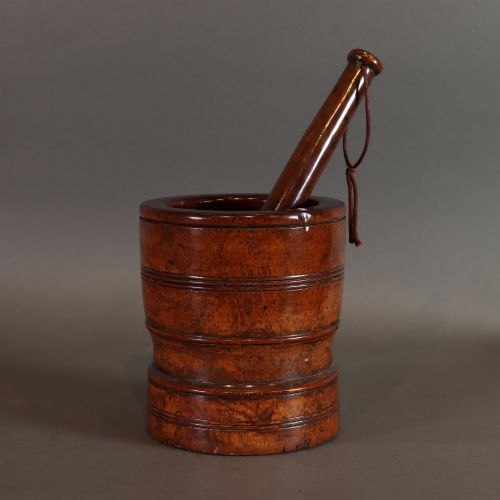
- A heavy bowl used with a pestle to crush and grind substances in a dispensary. Metal versions utilise cast bronze or iron for structural durability.
- Pestle
- A heavy tool with a rounded end used for pounding and grinding materials inside a mortar. It matches the metal or stone composition of its paired bowl.
- Tin-Glazed Earthenware
- Pottery covered with a lead glaze made opaque by the addition of tin oxide. This white surface provides a smooth ground for painted decoration on drug jars.
- Baroque
- An ornate artistic style spanning the seventeenth and eighteenth centuries. Pieces from this period often feature robust proportions and expressive cast surface details.
Frequently Asked Questions
What were apothecary vessels used for?
These vessels served historic apothecaries and dye makers for crushing, grinding and mixing raw medical ingredients and compounds.
Jars held dry herbs and remedies while heavy metal bowls withstood the rigorous daily work of the dispensary.
How do I date a bronze mortar?
Dating relies upon stylistic markers, casting techniques and any heraldic crests or date numerals cast directly onto the exterior wall.
Matching the proportions and metal patination against documented examples helps narrow down the century of production.
Are bronze mortars and pestles original pairs?
Many surviving mortars and pestles have spent centuries together, though replacement pestles do occur in trade collections.
Checking that the metal alloy, wear patterns and general scale match provides confidence in the pairing.
How should I clean an antique mortar?
Historic metal surfaces benefit from gentle dusting and preservation of the natural dark patination built up over generations.
Aggressive polishing removes the historical character that collectors value on early bronze and iron pieces.