

Antique Bronze Bowl
An antique bronze bowl carries centuries of weight and chemistry in its dark metal, offering a tactile anchor for any interior.
Antique Bronze Bowl
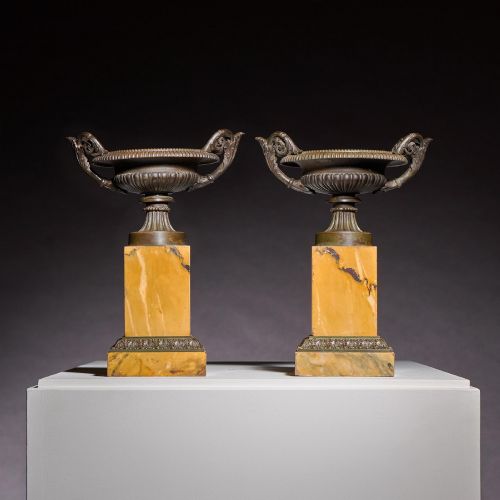
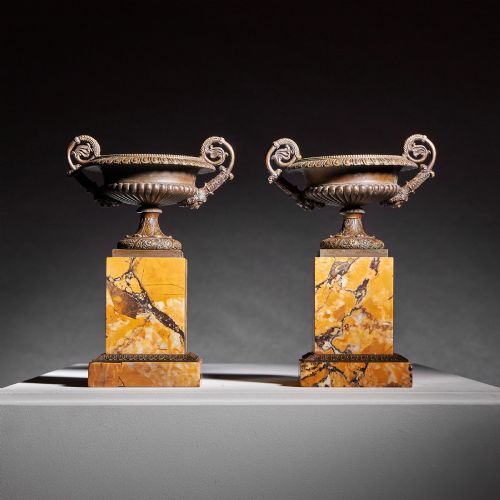
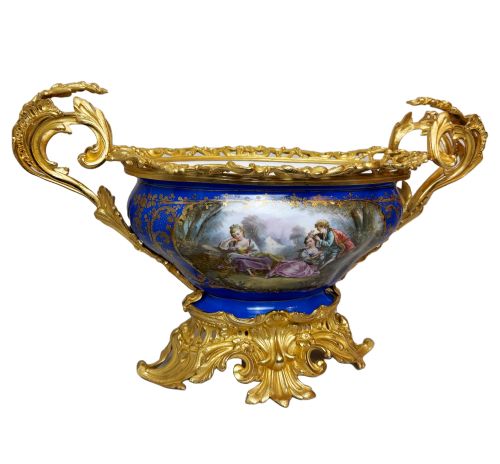
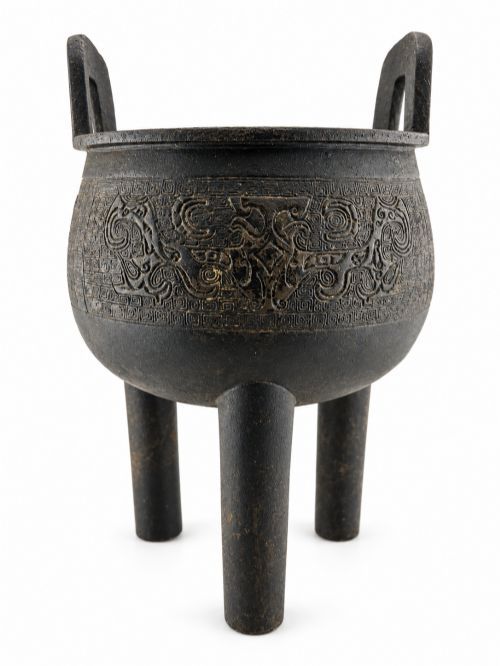
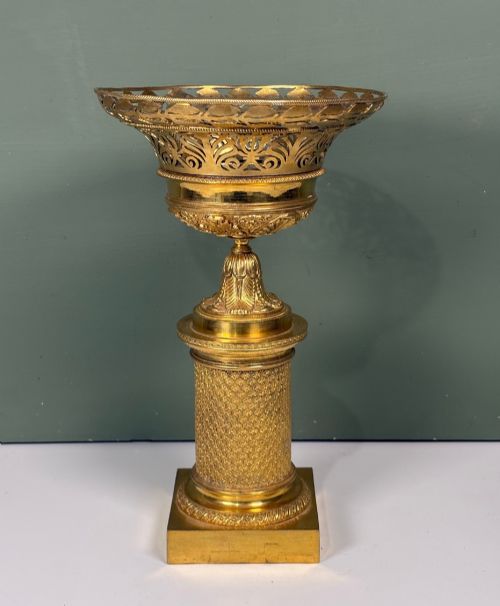
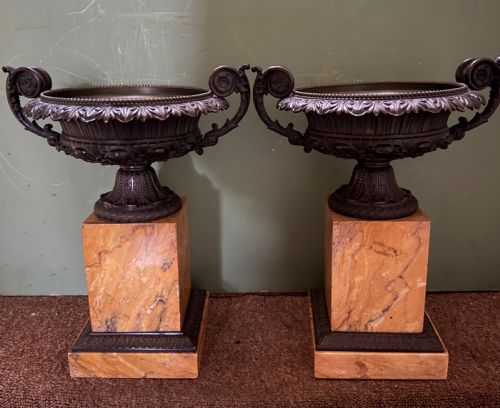
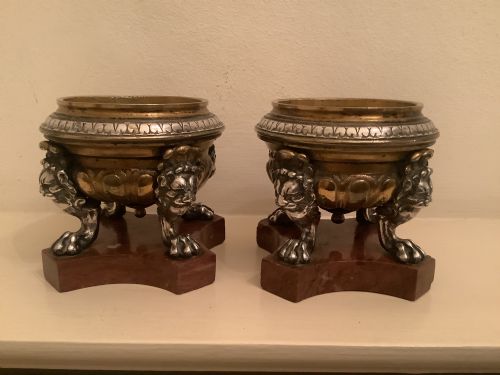
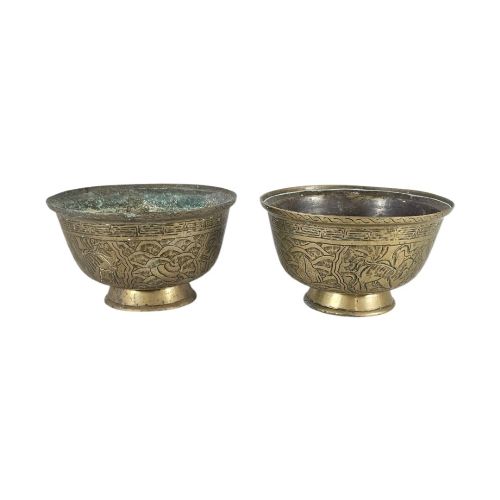
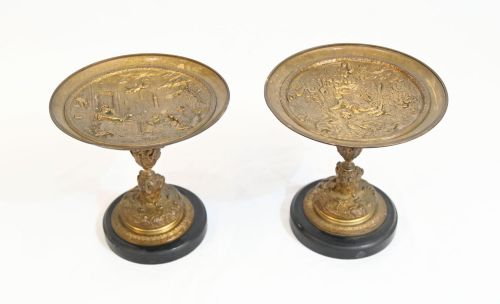
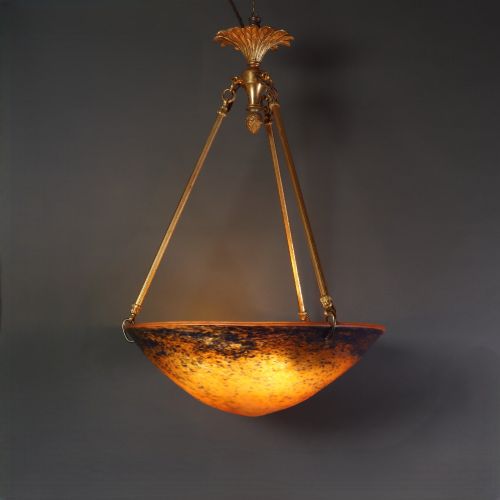
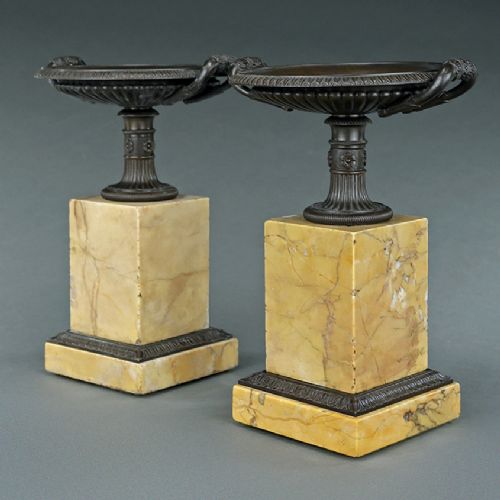
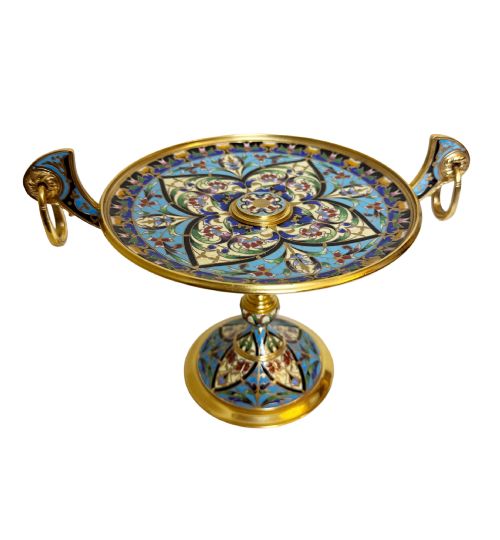
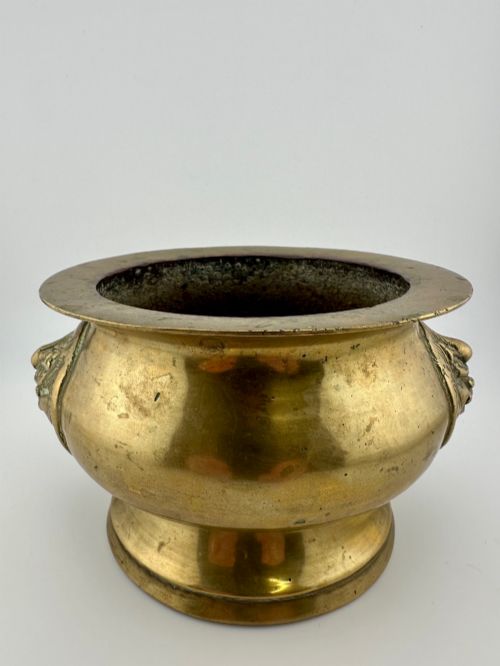
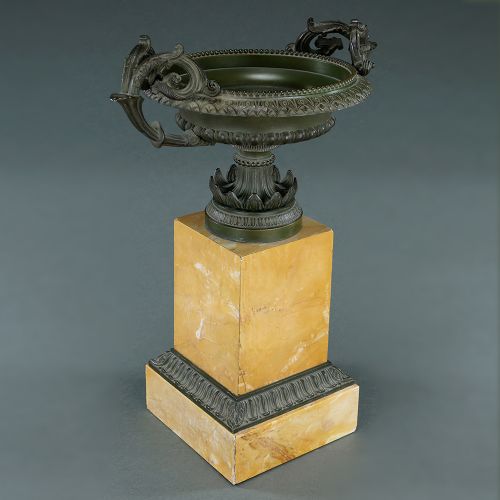
An antique bronze bowl encompasses vessels designed for utilitarian, ritual and decorative purposes across diverse historical periods and regional traditions. When you search for an antique bronze bowl, you encounter objects ranging from heavy seventeenth-century apothecary mortars and scholar's censers to nineteenth-century French table centrepieces and Japanese jardinières.
The inventory on this page reflects centuries of metalwork, spanning sixteenth-century Ming Dynasty pieces, seventeenth-century Spanish and European examples, and Victorian or Meiji period creations. Forms vary widely from simple circular dishes and ritual temple bowls to winged cherub centrepieces and large planters.
Origins stretch from Europe to Asia, taking in Spanish Baroque, Renaissance, Qing Dynasty, and Grand Tour aesthetics. Each piece demonstrates the specific domestic or ceremonial function demanded by its original makers.
Materials and construction
These items rely principally on bronze and cast bronze, often enhanced with deliberate surface patination. The casting process leaves distinct physical signatures, from the thick, heavy walls of scholar's censers to the intricate relief panels depicting motifs like the three friends of winter.
Decorative elements involve specialised techniques such as applied relief panels, cast figural attachments like winged cherubs or wrens, and chased surface details. Artisans utilised durable copper-alloy compositions that developed complex natural oxidisation over hundreds of years of handling and exposure.
Antique Bronze Bowl Retail Price Guide 2026
Typical asking prices for bronze bowl among the pieces listed under this phrase on Sellingantiques today, from the lower quarter to the upper quarter. They describe what is for sale here now, not the wider market.
Listings feature cast bronze and patinated bronze materials across periods from the sixteenth century to the late nineteenth century.
Judging quality and character
Quality in these vessels rests in the integrity of the casting, the crispness of any relief work, and the substance of the metal. Heavier examples, such as substantial scholar's censers or dense mortars, demonstrate a greater commitment of material and metallurgical skill by the founder.
Surface finish and patination further differentiate the objects, where undisturbed age creates a deep, stable skin across the bronze. The sophistication of sculptural additions, from heraldic arms to naturalistic birds, distinguishes standard utilitarian vessels from exceptional artistic works.
The Antique Bronze Bowl Glossary
- Bronze
- A copper alloy typically combined with tin, prized for its durability and suitability for casting complex shapes. This metal forms the structural basis of every vessel listed here.
- Censer
- A vessel designed for burning incense during ritual or scholarly contemplation. These items often feature perforated lids and decorative relief panels.
- Mortar
- A heavy bowl used with a pestle for grinding substances, frequently encountered in apothecary settings. Seventeenth-century examples often display robust cast walls and heraldic decorations.
- Patination
- The natural or induced coloration on the surface of the metal resulting from age, oxidation, and handling. A stable patina protects the bronze and adds visual depth.
- Jardinière
- A large ornamental pot or bowl used to hold plants or floral arrangements. Japanese Meiji period examples frequently exhibit considerable scale and detailed surface ornament.
Antique Bronze Bowl: Frequently Asked Questions
How do I clean an antique bronze bowl?
Maintenance requires minimal intervention to preserve the historic surface and chemical patination built up over centuries. Dusting with a dry, soft cloth is usually sufficient.
Avoid abrasive polishes or chemical cleaners that strip away the valuable aged skin of the metal. Leaving the natural patina intact ensures the piece retains its historical integrity.
How can I tell the age of a bronze bowl?
Dating relies on examining the casting technique, the style of any relief decoration, and the character of the metal alloy. Seventeenth-century European pieces often show heavy casting seams and utilitarian forms, while Ming Dynasty items feature distinct scholar motifs.
Comparing the object's patina, wear patterns, and stylistic markers against documented examples provides the clearest indication of its period.
What is a scholar's censer?
A scholar's censer is a traditional East Asian vessel used by intellectuals to burn incense during meditation, writing, or painting. These pieces are typically cast in bronze with refined proportions and symbolic relief panels.
They reflect the meditative aesthetics of the Ming and Qing Dynasties, prized for their heavy substance and subtle patination.