
Antique Bronze Dish
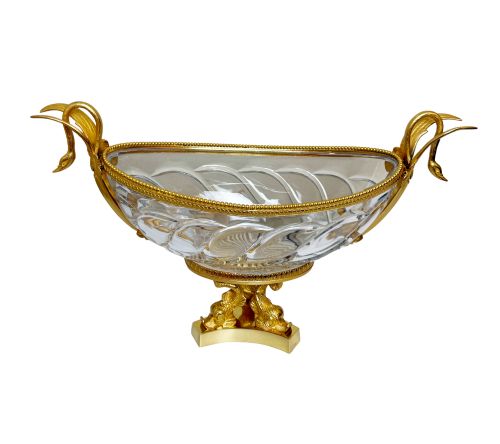
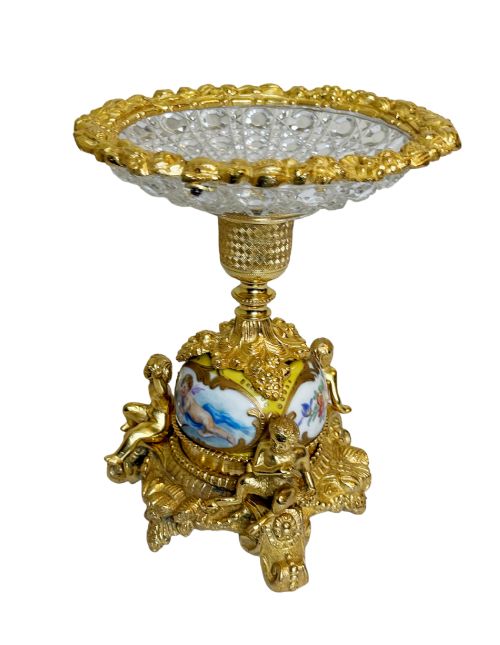
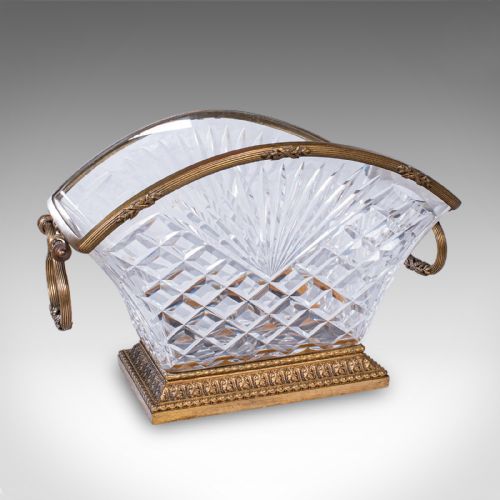
When you search for an antique bronze dish, you are looking at substantial vessels of cast metal, often mounted with enamel, crystal, or porcelain.
Antique Bronze Dish
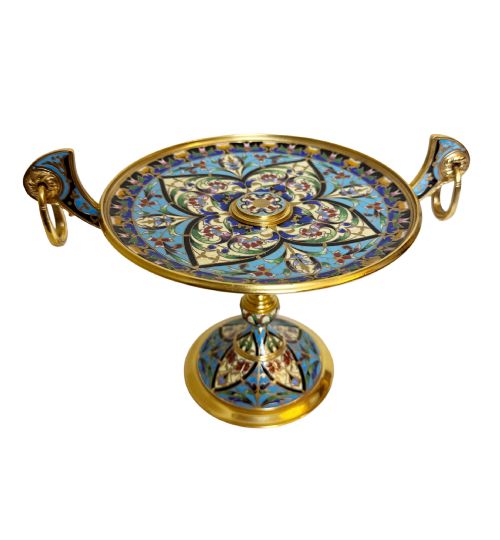
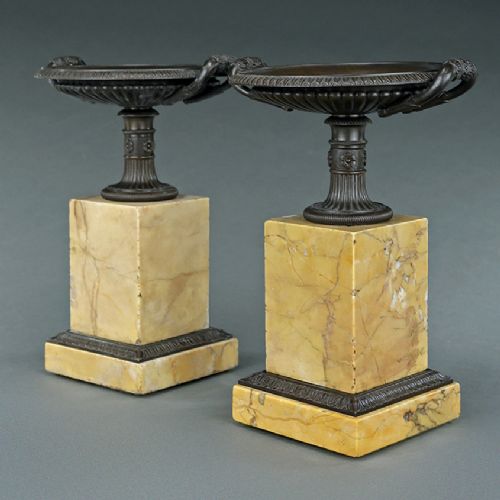
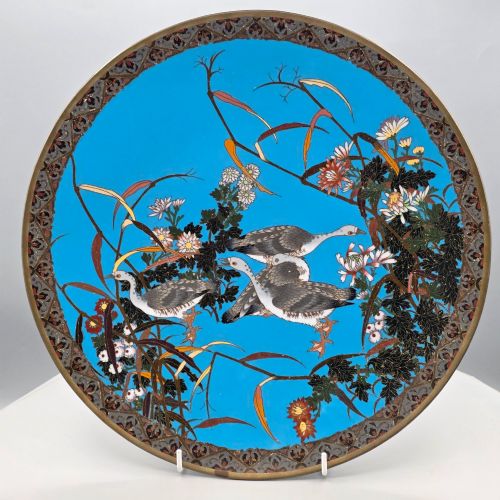
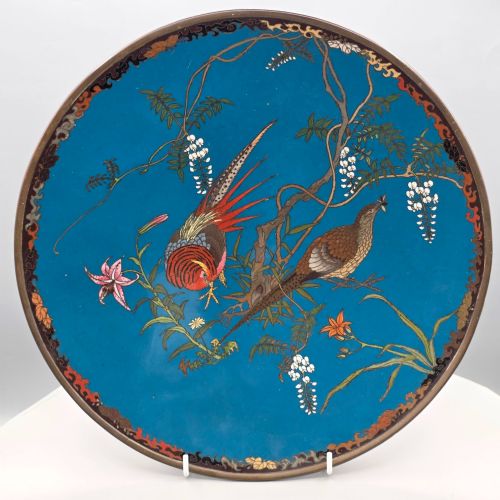
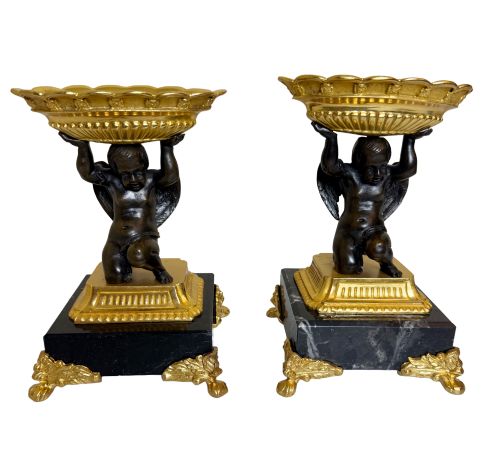
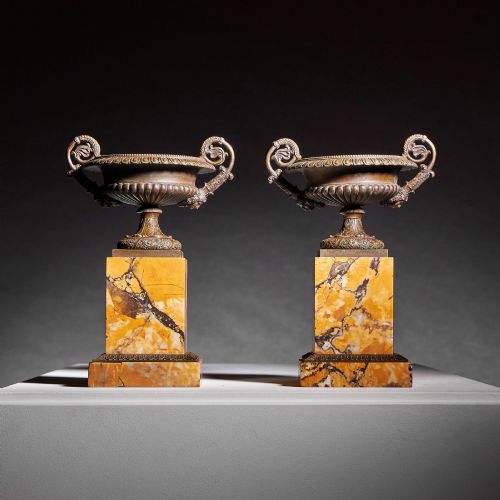
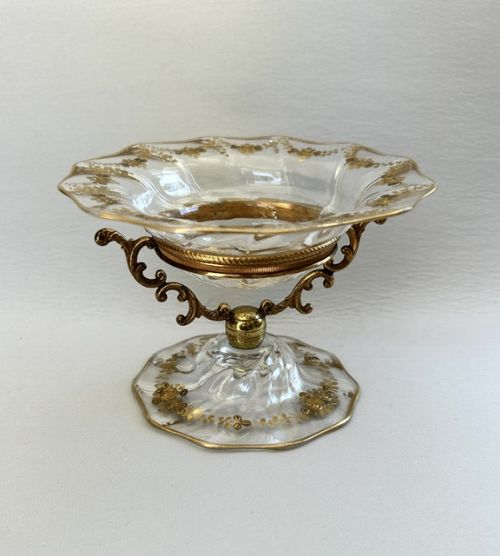
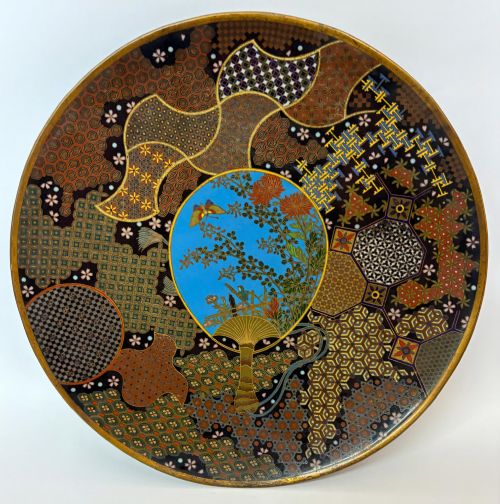
The antique bronze dish spans formal French tazzas, heavy Japanese Meiji cloisonné chargers, and practical table platters designed for display.
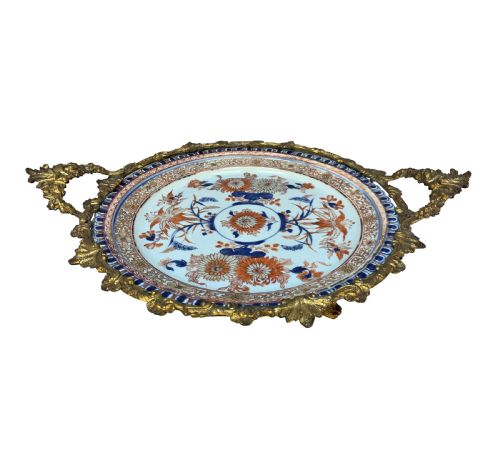
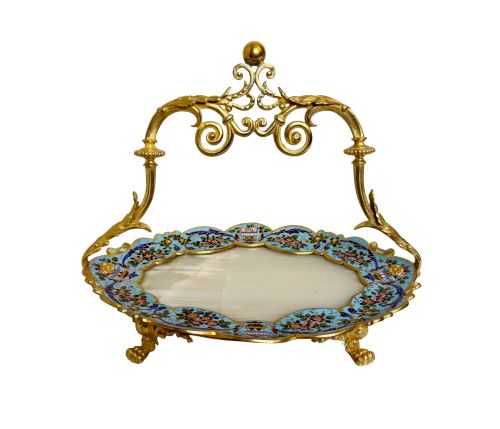
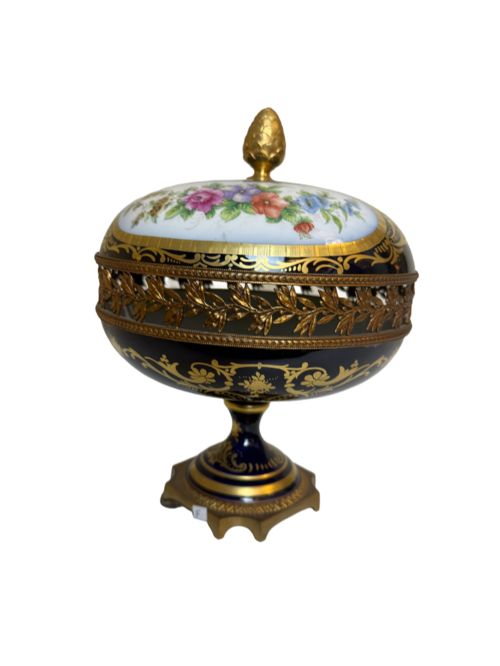
Nineteenth-century examples frequently combine patinated or gilt bronze with contrasting media such as marble, onyx, cut glass, and Sevres porcelain.
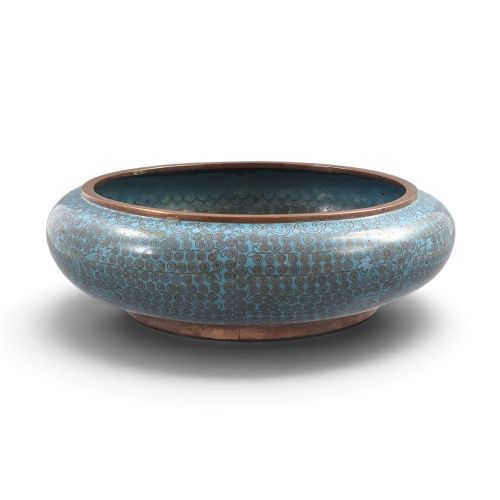
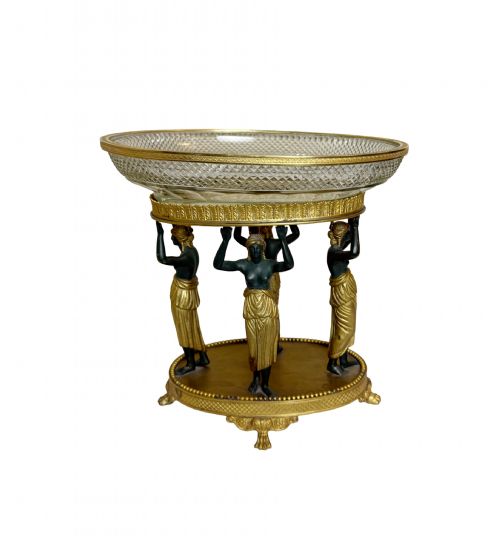
Buyers will encounter grand centrepieces alongside smaller vide poche trays and scholarly brush washers from diverse European and Asian workshops.
Materials and construction
Foundry-cast bronze and ormolu form the structural framework for many pieces, providing sturdy mounts and pedestals for delicate inserts.
Enamelling techniques, including champlevé cells and intricate cloisonné wirework, introduce vibrant polychrome patterns across Japanese chargers and French trays.
Cut crystal bowls, porcelain plaques, and carved hardstones integrate with the metalwork through secure pinned joints and cast bezels.
Listings feature pieces spanning from the early nineteenth century through the Art Deco era, incorporating bronze, copper, brass, and porcelain.
Assessing execution and depth
Quality rests upon the crispness of the bronze chasing and the density of the hand-applied fire gilding rather than sheer weight alone.
In enamelled and ceramic-set vessels, the precision of the wire compartments and the absence of firing flaws elevate the piece.
The harmony between secondary materials, such as matched marble bases or unblemished cut crystal inserts, defines the top tier.
The Antique Bronze Dish Glossary
- Tazza
- A shallow bowl or plate mounted upon a stem and foot, commonly utilised for serving fruit or display.
- Ormolu
- Finely ground high-carat gold applied to a bronze base through a mercury amalgamation process, creating a rich golden surface.
- Champlevé
- An enamelling technique where troughs are dug into the metal surface and filled with vitreous paste before firing.
- Cloisonné
- A method of decorating metal objects by soldering thin flat metal wires to the base to create compartments for enamel.
- Vide Poche
- A small tray or bowl designed to hold loose pocket items upon an entryway table or desk.
Antique Bronze Dish: Frequently Asked Questions
What were antique bronze dishes used for?
These vessels served diverse decorative and functional purposes in nineteenth-century homes, functioning as table centrepieces for fruit, calling card receivers, or desk accessories.
Larger chargers and platters were primarily intended for visual display on sideboards or walls, showcasing intricate metalwork and enamel designs.
How do I care for bronze and ormolu?
Maintain the surface by gently dusting with a soft, dry cloth to prevent the accumulation of abrasive particles within recessed crevices.
Avoid chemical polishes entirely, as aggressive rubbing will strip away delicate fire gilding and original patination.
How do I distinguish French and Japanese pieces?
French examples typically lean towards classical revival motifs, featuring gilt bronze mounts paired with cut crystal, marble, or porcelain.
Japanese Meiji period items rely heavily on cloisonné enamel, mixed metals, and distinct naturalistic motifs like dragons and chrysanthemums.
What is the difference between a dish and a tazza?
A standard dish sits flat upon a surface or rests within a shallow framework, whereas a tazza is elevated firmly upon a central pedestal stem.
This raised architectural form gives tazzas greater visual prominence as centrepiece displays.