


Heavy Bronze Vessel
A heavy bronze vessel is a substantive piece of metalwork designed to hold incense, liquids or plants, chosen for its sheer weight and enduring presence.
Heavy Bronze Vessel
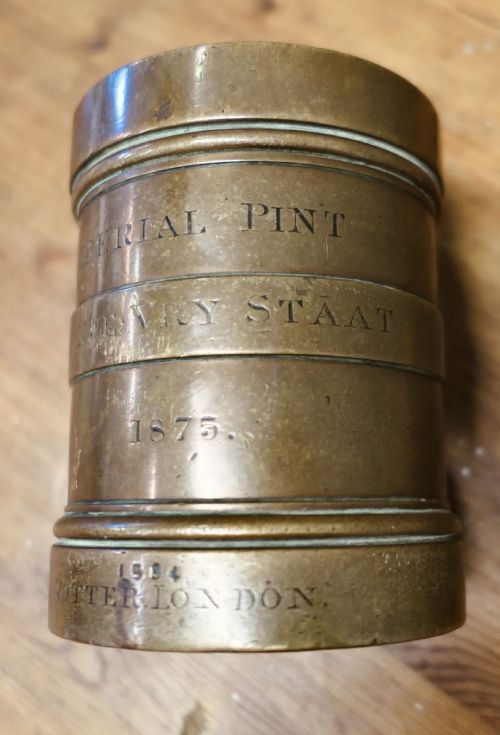
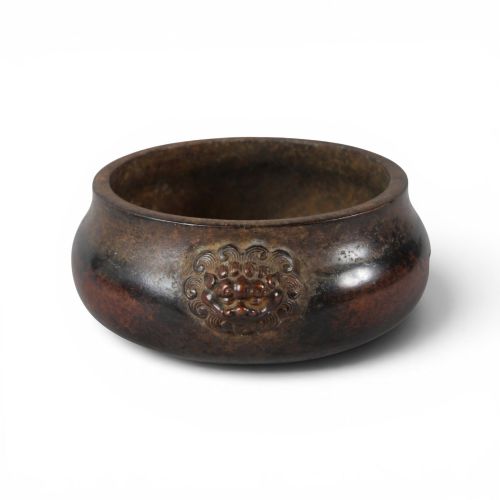
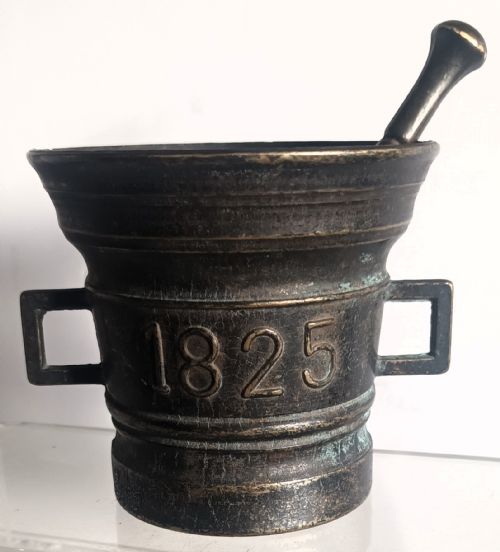
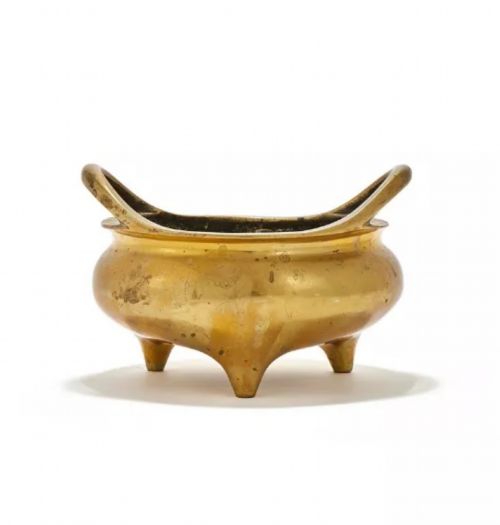
When you search for a heavy bronze vessel, you encounter objects shaped by centuries of ritual, scholarly and domestic use. The pieces gathered here range from substantial Chinese censers and ritual vessels bearing archaic motifs to English apothecary mortars and Japanese jardinières.
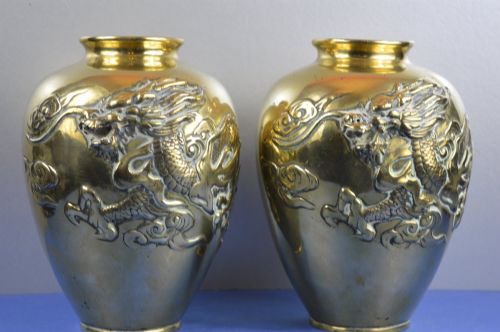
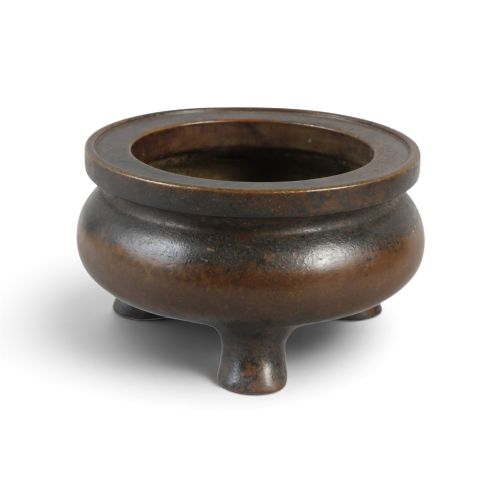
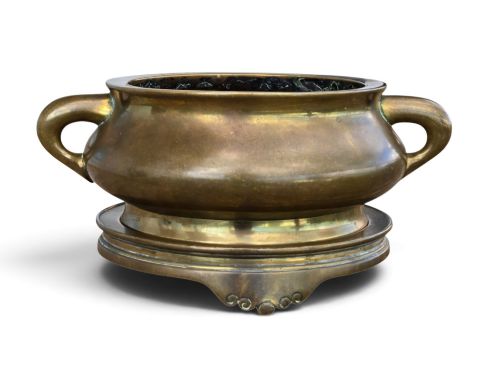
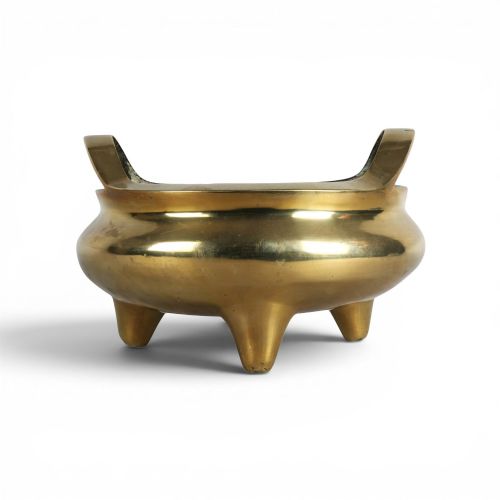
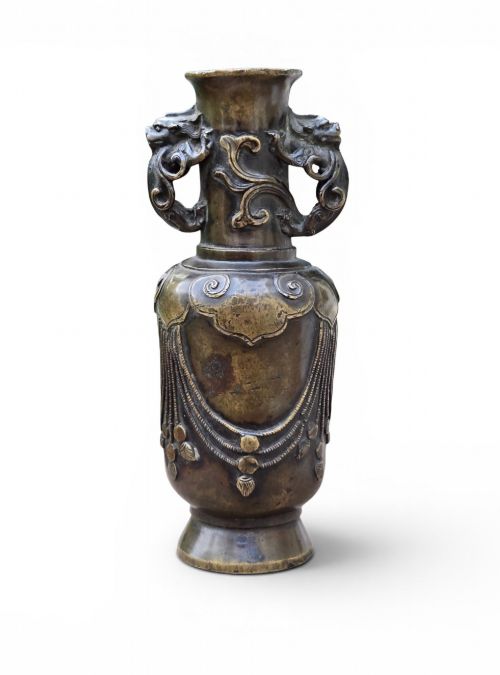
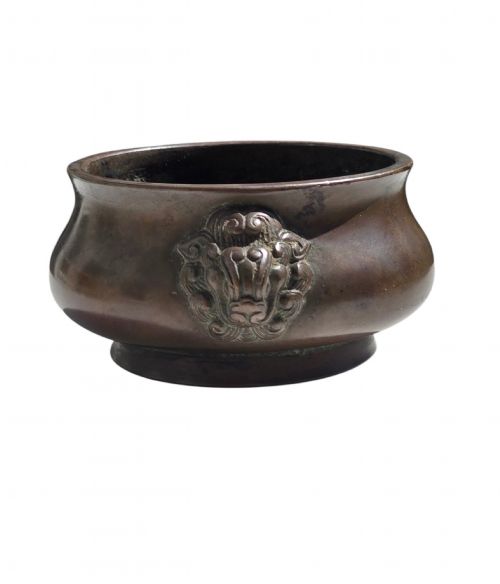
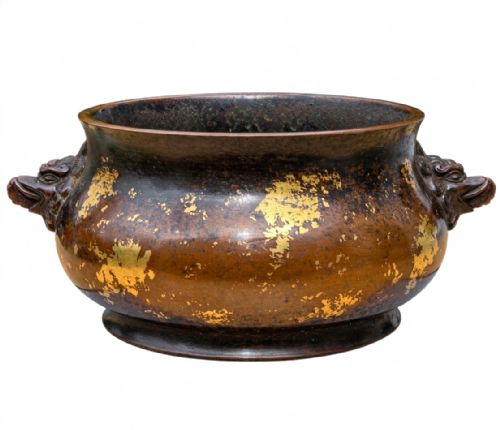
The version you are most likely to meet on this page is the Chinese scholar's censer or ritual bowl, often weighing several kilograms and displaying disciplined handles like taotie masks or dragons. Alongside these eastern works sit utilitarian English and European mortars, ships' bells and garden planters shaped from dense copper alloys.
These items span periods from the sixteenth century through the nineteenth century, uniting domestic utility and ritual purpose in enduring bronze, brass and copper. Each form serves a distinct functional history, whether burning incense in a scholar's studio or grinding substances in a Georgian kitchen.
Materials and Technique
The creation of these works relies on disciplined casting methods using copper alloys, bronze and brass to achieve significant mass and structural integrity. Makers utilised lost-wax casting or multi-piece moulds to form thick walls that could withstand heat or heavy daily service.
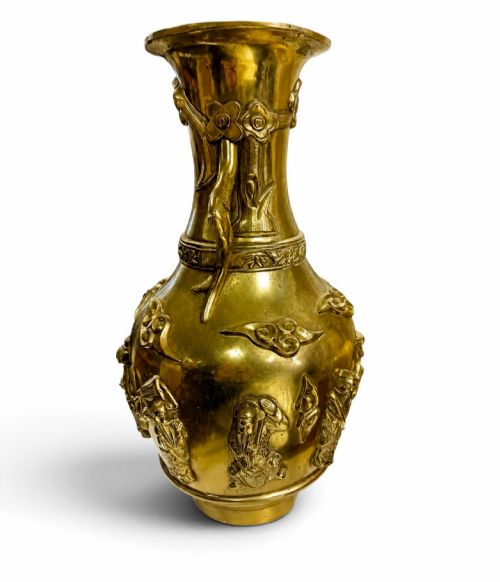
Surfaces frequently show the results of patination, high-relief chasing, and occasionally gilt-splashing or gold leaf application. These techniques enhance the tactile quality of the metal, creating deep tones that evolve naturally over centuries of handling.
Materials represented include traditional bronze, brass, copper alloy, cast bronze, gilt bronze, gold leaf and iron.
Assessing Quality
The calibre of a piece is evident in the precision of the casting and the distribution of its substantial weight. Superior examples display crisp relief work on mask handles and archaic motifs, where details remain sharp rather than softened by worn moulds.
Proportion and resonance distinguish the finer items, particularly in ritual censers where wall thickness produces a clear bell-ring resonance. The integrity of the surface finish and the harmonious integration of handles further separate standard utilitarian hardware from master-cast works.
The Heavy Bronze Vessel Glossary
- Censer
- A vessel designed specifically for burning incense. These often feature tripod feet and pierced or solid lids.
- Archaic
- A decorative style imitating ancient ritual bronzes from early dynasties, often featuring taotie masks and leiwen patterns.
- Mortar and Pestle
- A two-part grinding set comprising a heavy bowl and a hand-held club used in apothecaries and kitchens.
- Patina
- The surface sheen and colour developed by bronze through age and oxidation. This natural layer alters depending on handling and environment.
- Jardiniere
- A large ornamental pot or bowl used to hold living plants or flowers. These are frequently cast in bronze or brass with decorative handles.
Heavy Bronze Vessel: Frequently Asked Questions
What were heavy bronze vessels used for?
These objects served various practical and ritual functions across different cultures, from burning incense in scholarly Chinese settings to measuring liquids and grinding materials in European households. Their substantial weight ensured stability during daily use or ceremonial placement.
Many forms were also created as decorative centrepieces or planters, intended to occupy prominent positions in interiors while demonstrating the status and refinement of the owner.
How can I tell the period of a bronze vessel?
Dating relies on examining the casting style, surface patination, and any apocryphal or period marks stamped into the base. Stylistic motifs like archaic taotie masks offer clues to the aesthetic tradition and era of manufacture.
Comparative analysis of wall thickness, handle design, and alloy composition helps distinguish earlier sixteenth and seventeenth-century works from later nineteenth-century interpretations.
How do I care for an antique bronze vessel?
Maintenance requires minimal intervention to preserve the historical surface and natural patina accumulated over centuries. Dusting with a soft, dry cloth is generally sufficient for regular upkeep.
Avoid using abrasive metal polishes or chemical cleaners that strip away the aged skin of the bronze. Keep the metal away from excessive moisture and direct humidity.
Why do some bronze censers have marks on the base?
Marks on the underside often reference earlier imperial periods or notable makers as a sign of respect rather than an exact date of production. Hallmarks and studio stamps provide insight into the workshop tradition behind the piece.
Interpreting these signatures requires looking at the style of the characters and the quality of the surrounding casting to understand the historical context.