



19th Century Glass Jar
These 19th century glass jar items range from utilitarian chemist vessels to decorative dressing table boxes, offering functional history for the home.
19th Century Glass Jar
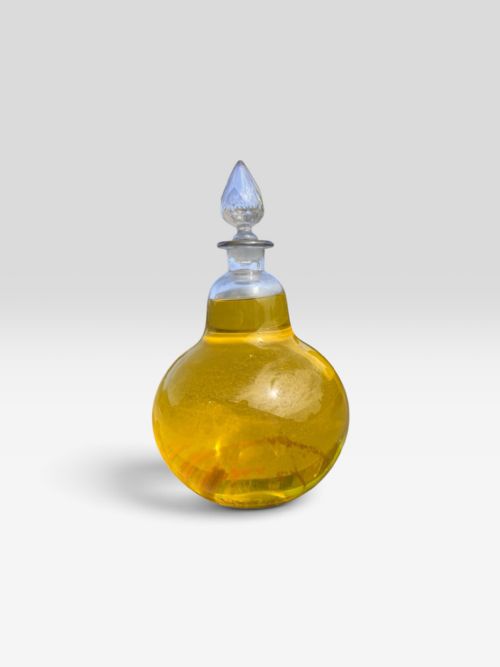
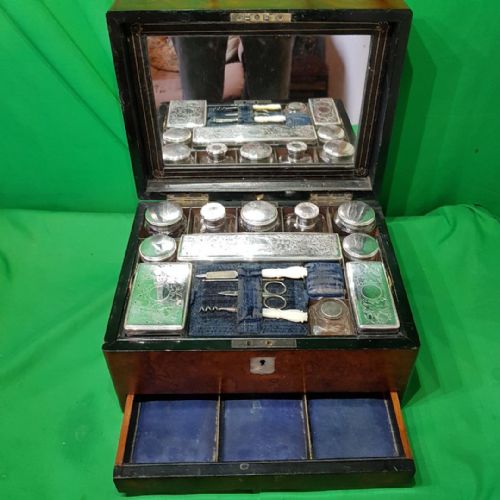
When you search for a 19th century glass jar, you encounter a diverse selection of apothecary vessels, chemist carboys, and dressing table boxes spanning the Victorian period and earlier decades. These items served practical purposes in pharmacies, homes, and medical practices before becoming sought-after decorative objects.
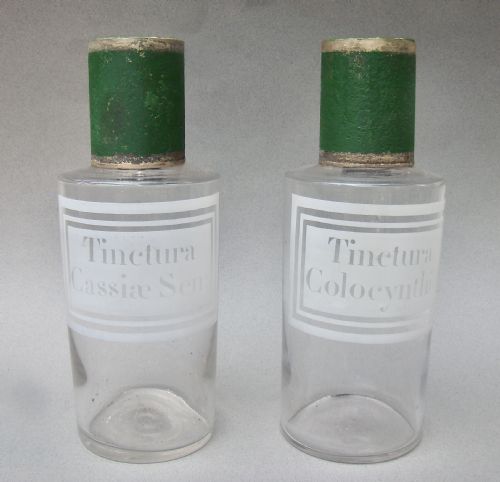
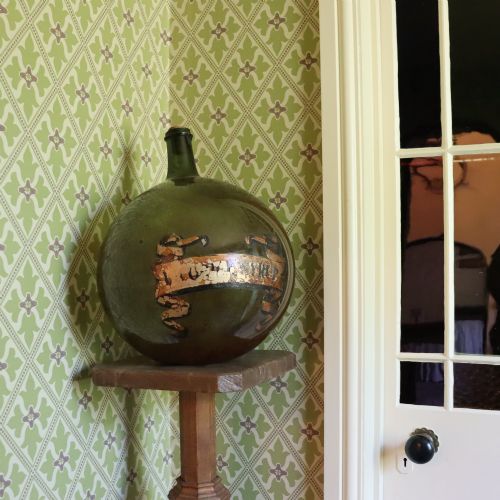
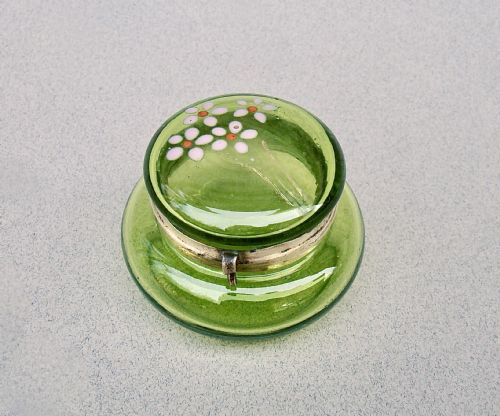
The inventory on this page frequently includes French and English examples, ranging from large blue glass tincture containers and pickle jars to small enamel-decorated trinket boxes. Many retain their original etched or gilt labels, identifying their historical contents such as drugs, preserves, or cosmetics.
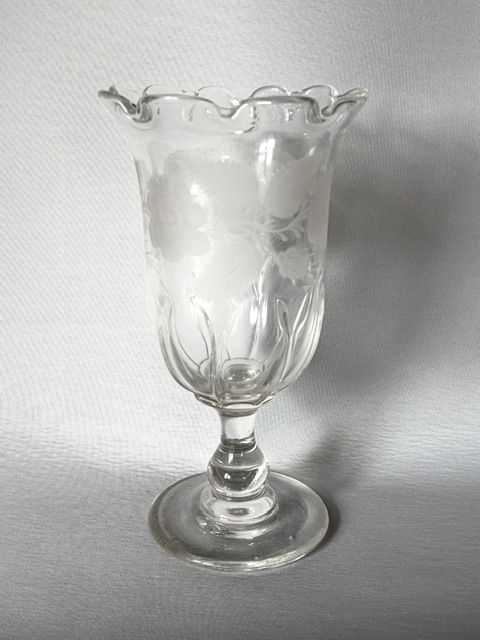
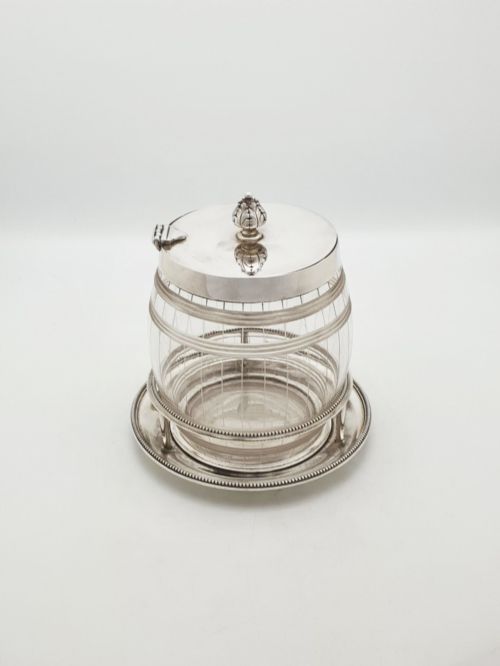
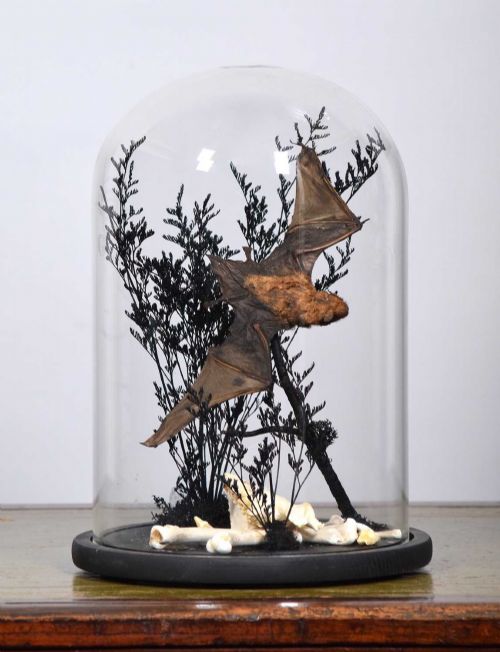
Buyers also discover specialised forms like display domes, celery vases, and biscuit barrels utilising cut crystal or coloured glass. These utilitarian and vanity pieces reflect the manufacturing capabilities and domestic habits of the nineteenth century.
How they were made
Makers utilised free-blowing and mould-blowing techniques to shape the molten metal, often resulting in characteristic pontil marks and bubbles within the glass walls. Workers manipulated hues such as Bristol blue, amber, turquoise, and clear crystal during the melting process.
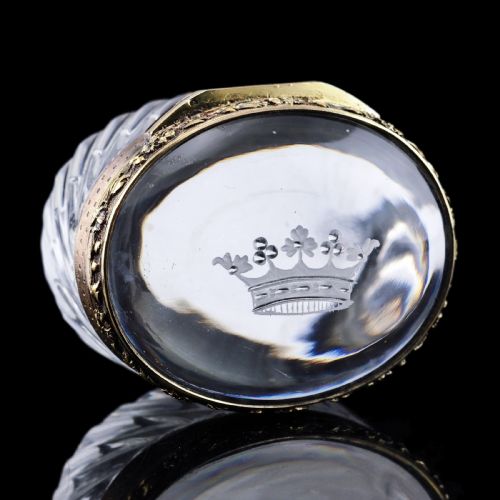
Decoration involved acid etching, wheel cutting, and hand painting with enamel or gold leaf to apply intricate patterns and gilt labels. Many vessels were fitted with mounts, lids, or stands cast in silver, silver plate, brass, or gold gilt.
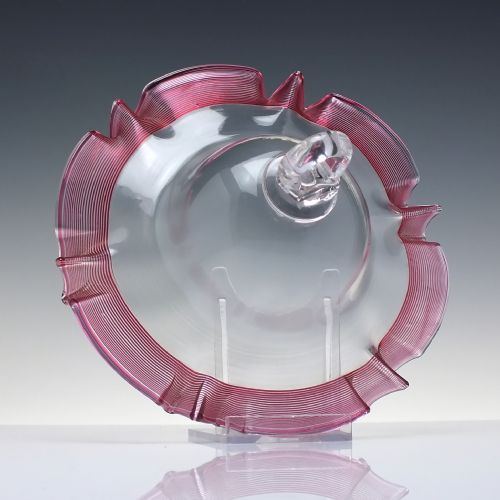
Specialised items incorporated layered techniques like latticinio glass with coloured canes, or surface treatments such as decalcomania and printed labels mounted under protective glass panes.
19th Century Glass Jar Retail Price Guide 2026
Typical asking prices for 19th century glass jar among the pieces listed under this phrase on Sellingantiques today, from the lower quarter to the upper quarter. They describe what is for sale here now, not the wider market.
The forms span practical apothecary carboys, dressing table jars, and biscuit barrels, alongside decorative vases and trinket boxes.
What varies in quality
The standard of a piece depends heavily on the crispness of the hand-cutting, the precision of the wheel-etched lettering, and the vibrancy of the enamel colours. Superior examples display clean, symmetrical forms without excessive distortion in the blown metal.
Quality also rests in the preservation of original mounts, such as matching stoppers, intact silver-gilt collars, and well-fitted lids. Pieces retaining clear, legible gilt labels or specialised decorations command greater interest among collectors.
Mary Gregory·Posen of Frankfurt and Berlin·Baccarat, France
The 19th Century Glass Jar Glossary
- Carboy
- A large glass bottle or jar, often enclosed in a protective basket or standing independently, utilised in pharmacies and laboratories for holding liquids. These vessels formed a prominent part of nineteenth-century chemist shop displays.
- Latticinio
- A type of glassware featuring opaque white or coloured glass threads embedded within clear glass in spiral or reticulated network patterns. This technique required high skill from the glassblower.
- Decalcomania
- A decorative technique involving the transfer of printed designs from paper onto glass or porcelain surfaces. It was frequently employed to ornament Victorian vases and household objects.
- Pontil mark
- The scarred area on the base of a blown glass vessel where the pontil rod was snapped off after shaping. Its presence helps confirm traditional hand-blown manufacturing methods.
- Sweetmeat jar
- A covered glass container designed for holding confectionery, sweetmeats, or candied fruits during the Georgian and Victorian eras. These often featured hobnail cutting or etched decorative motifs.
19th Century Glass Jar: Frequently Asked Questions
What were apothecary jars used for?
Apothecary jars stored dry drugs, chemicals, tinctures, and medicinal herbs in nineteenth-century pharmacies and dispensaries. Their tight-fitting lids protected the contents from moisture and contamination.
Larger vessels like carboys displayed coloured liquids in shop windows to signal the premises of a chemist or apothecary to the public.
Are original stoppers important?
Original matching stoppers significantly enhance the integrity and desirability of chemist bottles and tincture jars. Finding a replacement stopper that fits the hand-blown neck precisely can prove difficult.
Many surviving pieces retain their ground-glass stoppers, which were individually fitted to each jar during production.
How can I date a glass jar?
Dating relies on examining manufacturing traits such as pontil scars, glass colour, typography styles on labels, and wear patterns on the base. Pontil marks and uneven bubble distribution typically point to earlier hand-blown manufacture.
Stylistic cues like Victorian enamel floral motifs or French gilt labels provide narrower chronological windows within the nineteenth century.