


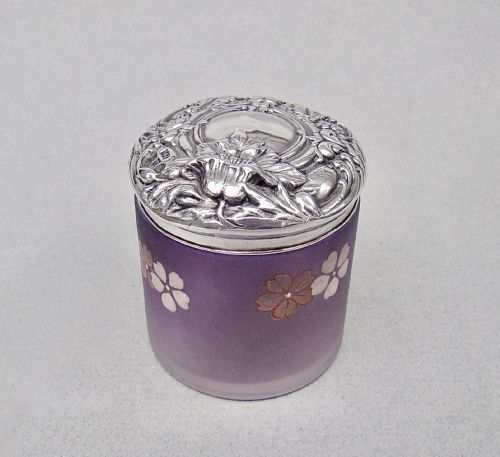


Silver Topped Jar
A silver topped jar brings functional elegance to a dressing table, combining heavy glass bodies with gleaming metal mounts.
Silver Topped Jar
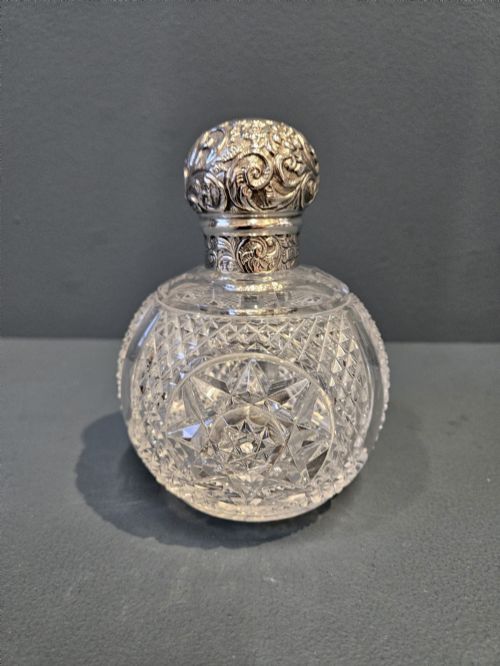
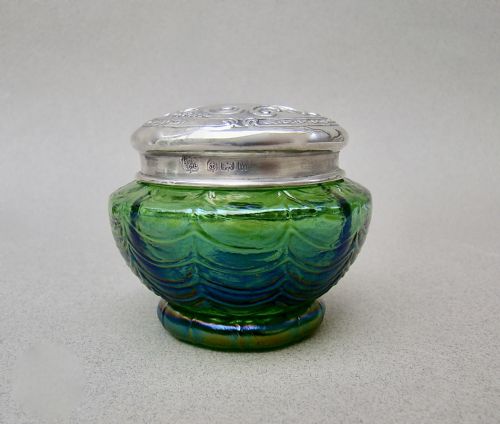
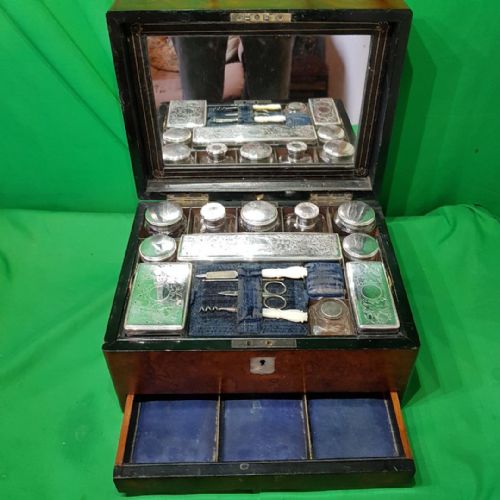
A silver topped jar combines a glass or crystal vessel with a fitted metal lid or mount, serving dressing table, vanity, and desk roles. Collectors encounter numerous forms ranging from compact scent bottles and trinket boxes to substantial biscuit barrels and dressing table jars.
The objects span multiple eras, with Victorian, Edwardian, and Art Deco examples appearing frequently alongside George V pieces. Form follows function closely, as these containers held perfumes, cosmetics, tobacco, or preserves depending on their original domestic context.
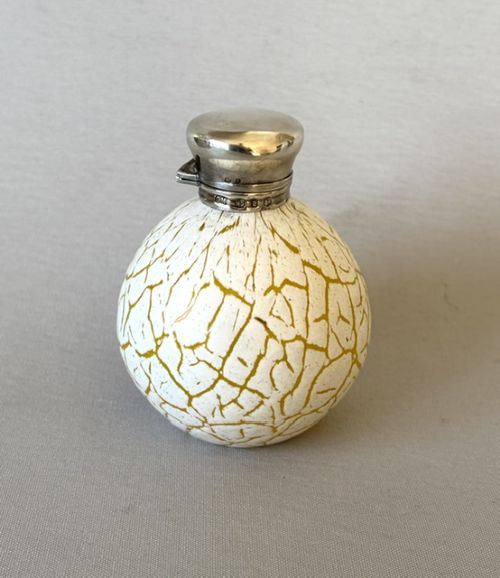
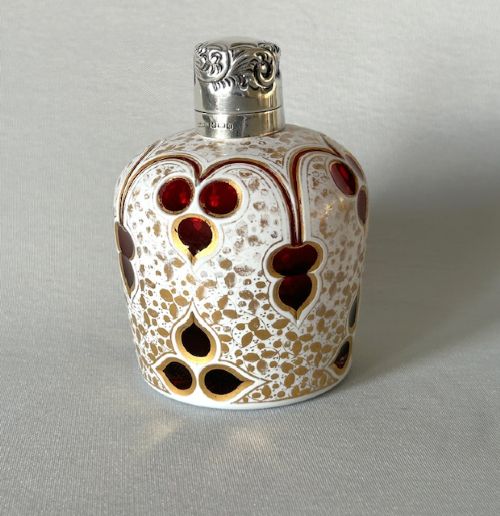
Vessels constructed from cut glass, crackle glass, cranberry glass, or ceramic bodies like Jasperware demonstrate the broad scope of materials housed beneath the metal lids. Buyers examine these diverse configurations to find pieces matching specific historical periods or interior settings.
Materials and construction methods
Makers utilised sterling silver or silver plate for the lids and mounts, often stamping them with hallmarks indicating assay offices in cities such as Birmingham, Chester, and London. These metal tops were shaped to screw or press snugly onto the glass bodies.
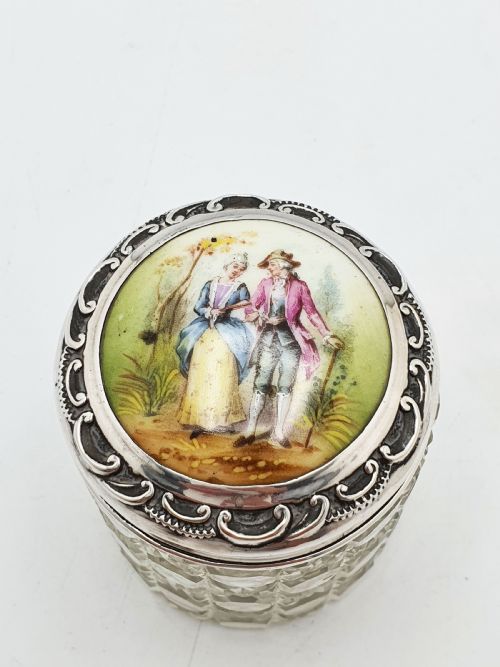
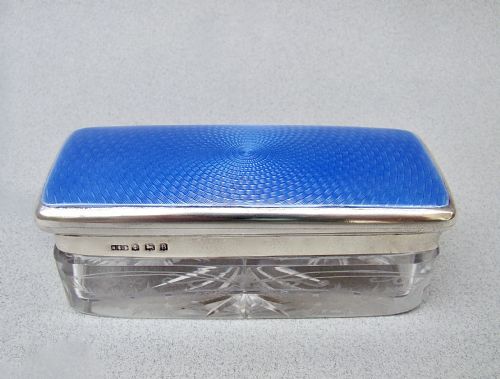
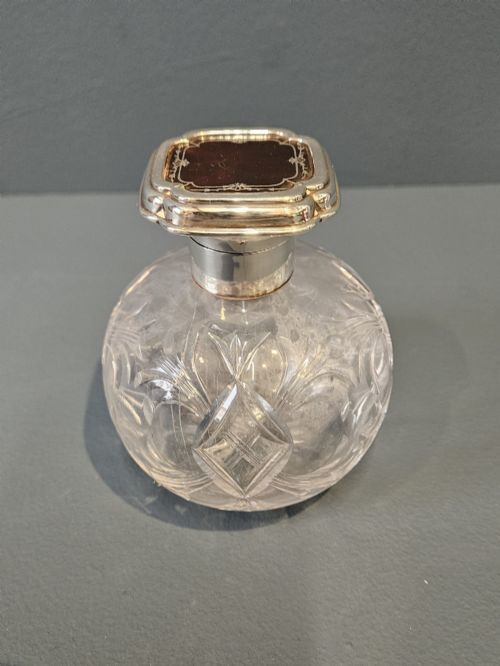
The glass components relied on techniques like cutting, moulding, and etching to create faceted patterns or textured surfaces on crystal, cranberry glass, and frosted glass. Artisans occasionally integrated delicate additions such as guilloché enamel, tortoiseshell, or hand-painted porcelain plaques into the silver lids.
Internal components and structural supports sometimes incorporated materials like velvet, oak, or ceramic bodies to cushion delicate contents and provide stability.
Silver Topped Jar Retail Price Guide 2026
Typical asking prices for silver topped jar among the pieces listed under this phrase on Sellingantiques today, from the lower quarter to the upper quarter. They describe what is for sale here now, not the wider market.
Distinctions in quality
The weight and thickness of the glass body distinguish standard production items from finer specimens, with deep hand-cut facets reflecting light more crisply than pressed alternatives. Crispness in hallmark stamping and the gauge of the silver lid indicate the initial investment in the piece.
Complexity of ornamentation elevates certain examples, particularly where guilloché enamel remains undamaged or tortoise shell is precisely inlaid into the metal frame. The integration between the glass vessel and the metal mount demonstrates the precision of the silversmith and glasscutter working in tandem.
A. J. Pepper & Co·Henry Clifford Davis·Walker & Hall·Goldsmiths and Silversmiths Co·Barnsley & Co·Adie Brothers Ltd·Jonathan Douglas
The Silver Topped Jar Glossary
- Hallmark
- Official stamps applied to precious metals indicating the standard of purity, the assay office, and the date letter. These marks allow collectors to trace the exact origin and year of manufacture.
- Guilloché
- A decorative technique where a precise, intricate pattern is mechanically engraved into metal beneath a translucent layer of enamel. This method creates shimmering geometric designs popular during the early twentieth century.
- Cut Glass
- Glass shaped and patterned by holding it against abrasive wheels, producing sharp facets that catch the light. This process requires considerable skill to achieve symmetrical patterns across curved vessels.
- Biscuit Barrel
- A covered container designed to hold dry biscuits or cakes for parlour hospitality. These jars frequently feature prominent silver plated or solid silver swing handles and rims.
- Jasperware
- A type of fine stoneware developed by Josiah Wedgwood, characterised by a matte unglazed surface and applied contrasting relief figures. Pieces often incorporate silver mounts to complete the domestic vessel.
Silver Topped Jar: Frequently Asked Questions
What were silver topped jars used for?
These vessels held personal grooming products, perfumes, and household items on dressing tables, desks, and sideboards. Smaller bottles contained scents and volatile oils, while larger jars stored cosmetics, trinkets, or foodstuffs.
Their presence in domestic spaces reflected the Victorian and Edwardian focus on personal presentation and organised hospitality. The combination of glass and metal protected contents while displaying them attractively.
How do I date a silver topped jar?
The most reliable dating method relies on the hallmarks stamped onto the silver lid or mount. Assay office marks and date letters correspond to specific years of manufacture.
Stylistic indicators such as Art Deco geometric enamelling or Victorian cranberry glass provide additional contextual clues when hallmarks are rubbed or absent.
How should I clean silver mounted glass?
Clean the glass body using warm soapy water and a soft cloth, keeping moisture away from any internal adhesives or organic materials like tortoiseshell. Polish the silver mount carefully with a specialised cloth while avoiding contact with the glass or enamel.
Preventative care involves storing pieces away from direct sunlight to protect vulnerable elements like coloured glass and enamel panels.
Are these jars safe to use daily?
Many of these containers remain robust enough for daily domestic use, provided they are handled with care and washed by hand. Antique glass can be sensitive to thermal shock, so avoid extreme temperature changes.
Owners often utilise them for modern dressing table storage or display them as decorative collections on open shelving.