


Antique Glass Storage Jar
These antique glass storage jars are functional vessels that bring period character to a pantry or shelf.
Identifying an antique glass storage jar
An antique glass storage jar is a utilitarian container designed for holding provisions, liquids, or dry goods. The selection on this page spans from the Georgian era through the Victorian and Edwardian periods.
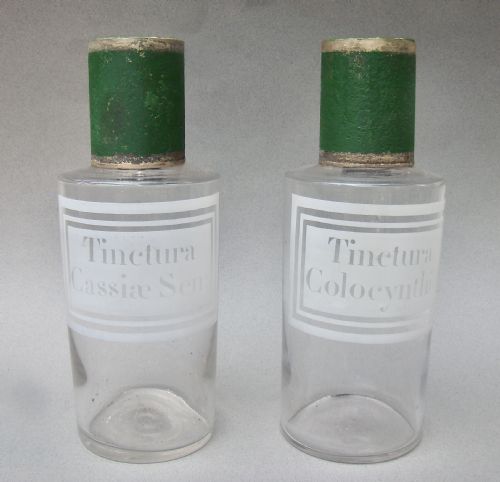
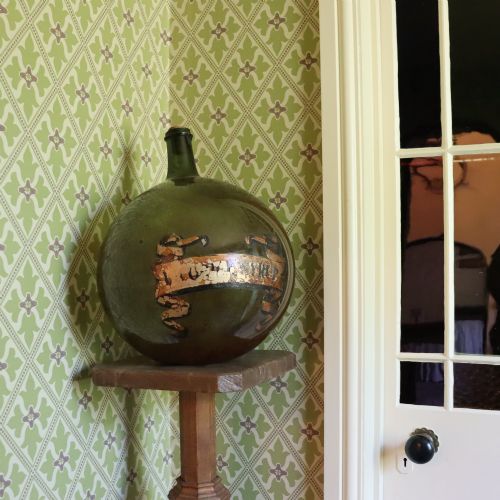
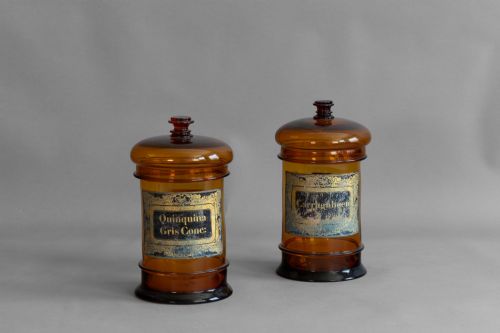
Forms include large blown glass liquid jars, cylindrical pickle jars with covers, and specialised apothecary jars. Biscuit barrels also appear, often enhanced with enamel decoration or gold leaf.
Buyers are most likely to encounter nineteenth-century examples, alongside occasional eighteenth-century blown vessels. These pieces offer a direct link to historical domestic and shop storage methods.
Materials and construction
Makers utilised clear glass, lead crystal, and mercury glass, shaped through traditional blown glass techniques. The resulting bodies often display the subtle bubbles and irregularities characteristic of early hand-blowing methods.
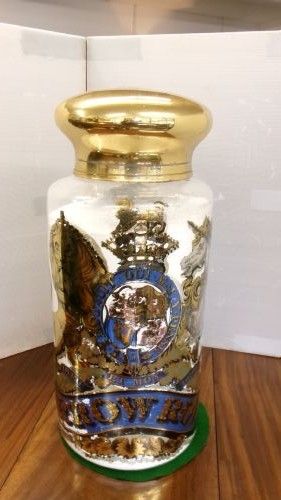
Surface ornamentation on later Victorian and Edwardian examples includes hand-painted enamel and applied gold leaf. Cut glass variations feature facets and patterns worked directly into the thick material.
Retail Price Guide 2026
Typical UK retail prices for glass storage jar, calculated from the Sellingantiques database of over a million retail prices indexed since 2003. This retail price guide relies exclusively on Sellingantiques data; no external sources or auction records are used, so the figures do not describe the wider market.
Assessing quality
Quality rests in the weight and clarity of the glass, as well as the precision of any cut facets. Thicker lead crystal and well-balanced blown forms represent the higher end of domestic and shopware production.
The sophistication of surface decoration separates standard items from finer pieces. Skilfully executed enamel painting and crisp gilding elevate a simple biscuit barrel or storage vessel.
The Antique Glass Storage Jar Glossary
- Apothecary jar
- A vessel originally used by chemists and pharmacists to store dried herbs, powders, or liquids. These jars often feature heavy glass bodies and tight-fitting lids.
- Biscuit barrel
- A covered container designed for storing dry biscuits on the dining or drawing-room table. They gained popularity during the Victorian and Edwardian periods.
- Blown glass
- Glass shaped by inflating molten metal on the end of a blowpipe. This technique produces characteristic pontil marks and internal bubbles.
- Mercury glass
- Double-walled blown glass coated on the interior with a silver liquid mixture to create a reflective, mirror-like finish. It was widely produced during the nineteenth century.
- Lead crystal
- Glass containing a proportion of lead oxide, which increases weight, brilliance, and refractive index. It allows for deep, sharp cutting.
Frequently Asked Questions
What were antique glass storage jars used for?
These vessels served diverse roles in domestic homes, shops, and dispensaries. They held everyday provisions, liquids, and dry goods securely.
Larger blown jars accommodated bulk liquids like wine, while smaller cylindrical containers stored pickles, biscuits, and medical ingredients.
How do I date an antique glass jar?
Dating relies on observing manufacturing techniques, materials, and stylistic motifs. Eighteenth-century examples typically show heavier blown forms with natural asymmetries.
Nineteenth-century and Edwardian pieces frequently incorporate cut glass patterns, mercury glass finishes, or specific enamel decorations that reflect the tastes of those periods.
Can I use these jars for modern food storage?
Many antique jars remain robust enough for holding dry goods on open shelves or in pantries. However, delicate pieces with mercury glass linings require careful handling.
Hand washing is essential to preserve fragile enamel paintwork, gold leaf, and historical glass surfaces from thermal or mechanical damage.
What is the difference between an apothecary jar and a pickle jar?
Apothecary jars originated in medical and pharmacy settings for holding dry ingredients or medicinal compounds. They usually feature heavy, sturdy walls designed for frequent handling.
Pickle jars were made for culinary storage and often feature specific cylindrical proportions paired with a dedicated glass cover.