


Edwardian Glass Biscuit Jar
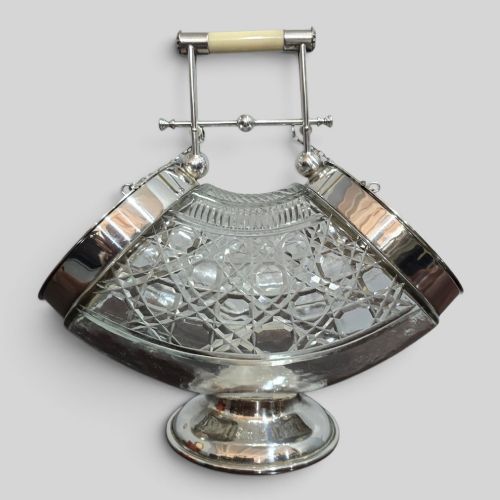
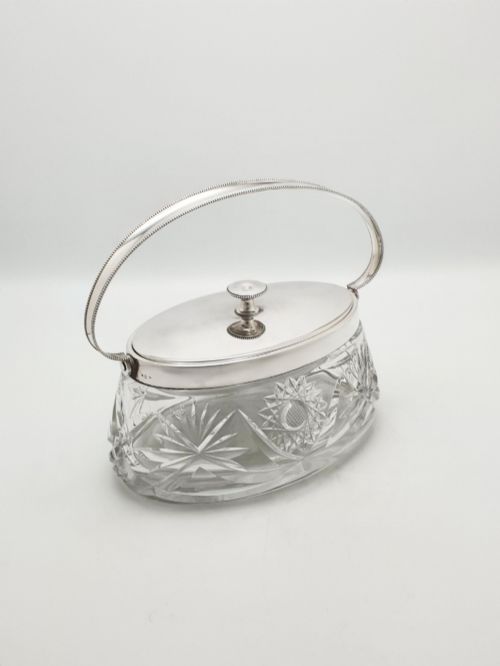
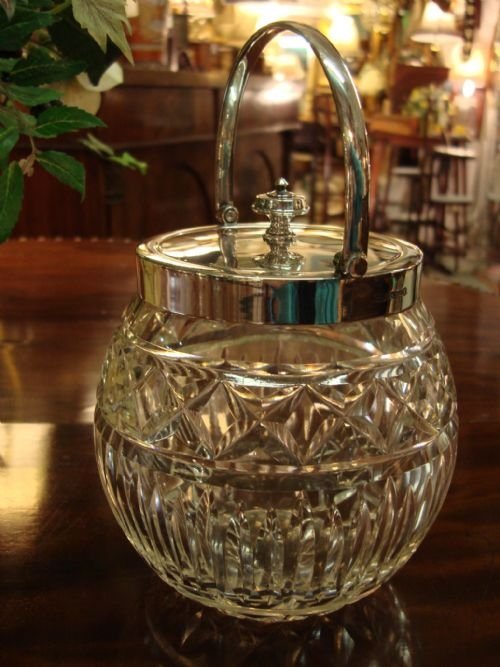
These edwardian glass biscuit jar examples combine practical storage with decorative brilliance, offering a charming centrepiece for the table.
Edwardian Glass Biscuit Jar
An edwardian glass biscuit jar is a covered container designed for holding dry baked goods, combining a glass body with metal mounts. The examples seen on this page span the Edwardian era alongside Victorian and later periods up to the 1930s.
Forms include traditional barrel shapes, jars, and cylindrical containers fitted with handles and lids. Most pieces rely on a combination of glass vessels paired with silver-plated or sterling silver mounts.
Materials and construction
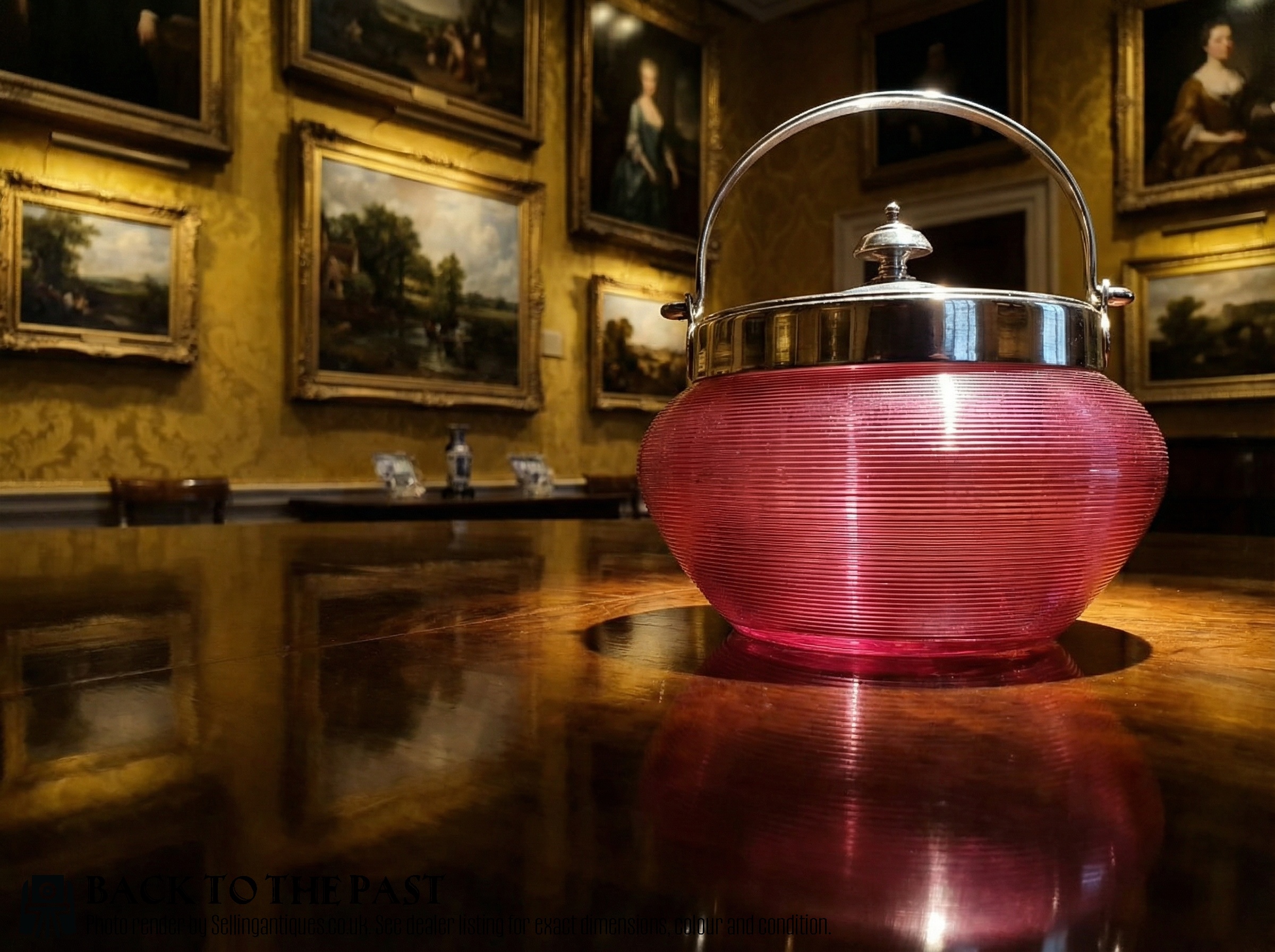
Production relies heavily on clear or coloured glass, including cranberry glass and lead crystal, shaped through cutting, faceting, or enamel decoration. Hobnail cutting and twisted designs create texture and catch the light across the surface of the vessel.
Edwardian Glass Biscuit Jar Retail Price Guide 2026
Typical asking prices for edwardian glass biscuit jar among the pieces listed under this phrase on Sellingantiques today, from the lower quarter to the upper quarter. They describe what is for sale here now, not the wider market.
Some automated silver-plated models featured clever mechanical lids that sprang open to offer biscuits with a theatrical flourish.
Distinctions in quality
Quality rests upon the depth and precision of the glass cutting, where crisp facets and complex patterns elevate the weight and brilliance of the piece. The choice between standard clear glass and rich cranberry glass or detailed enamel work also shifts the visual presence.
The standard of the metal mountings dictates the overall finish, ranging from plain collars to pierced silver plate and heavy sterling silver frames with maker marks. Fitted handles and well-integrated lids demonstrate careful assembly by skilled workshops.
James Dixon and Sons
The Edwardian Glass Biscuit Jar Glossary
- Biscuit barrel
- A covered container traditionally used for storing dry biscuits or crackers at the dining table. These vessels usually feature a sturdy handle for serving.
- Cranberry glass
- A rich red transparent glass created by adding gold to the molten batch during production. It appears frequently in decorative tableware from the period.
- Hobnail cut
- A raised, multi-faceted geometric pattern cut into the exterior of glassware. This technique produces sharp points that reflect light from multiple angles.
- Silver plate
- A base metal coated with a thin layer of silver to give the appearance of solid silver. It was widely utilised for the mounts and swing handles of household containers.
- Sterling silver
- An alloy consisting of pure silver and other metals to increase durability. Items made with this material bear official hallmarks indicating the standard and origin.
Edwardian Glass Biscuit Jar: Frequently Asked Questions
What is an edwardian glass biscuit jar?
An edwardian glass biscuit jar is a decorative lidded container designed to hold dry biscuits on the dining table or sideboard.
They combine a glass body, often featuring cut patterns or cranberry colouring, with metal mounts and a carrying handle.
How were these jars used historically?
These vessels served families during afternoon tea and formal dining as a practical yet elegant way to store and present biscuits.
The fitted lid kept the contents dry while the handle allowed guests or hosts to pass the container around the table.
How do I clean an antique glass biscuit jar?
Clean the glass body using warm water and mild soap, taking care to avoid harsh abrasives that might scratch the surface.
Keep silver-plated or sterling silver mounts dry and polish them gently with a soft cloth designed for precious metals.
How can I tell the period of a jar?
Dating relies on stylistic clues, glass cutting techniques, and any accompanying hallmarks stamped onto the metal mounts.
While many pieces date from the Edwardian era and surrounding decades, styles often bridge Victorian and later twentieth-century designs.