
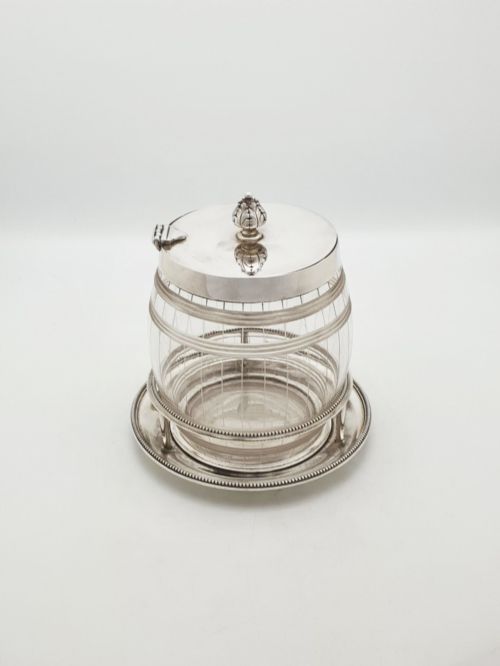
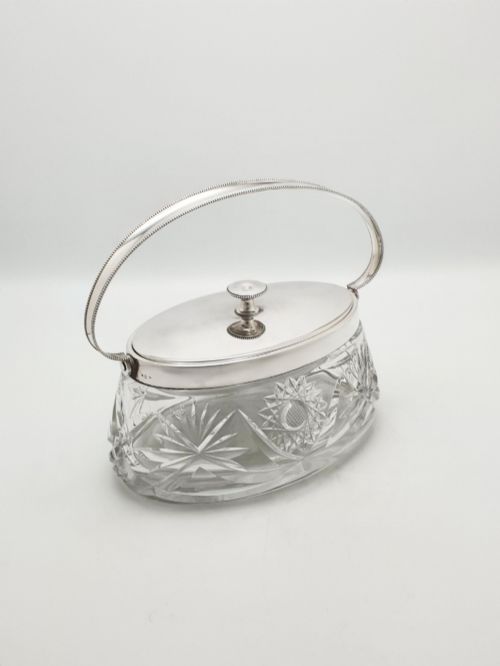
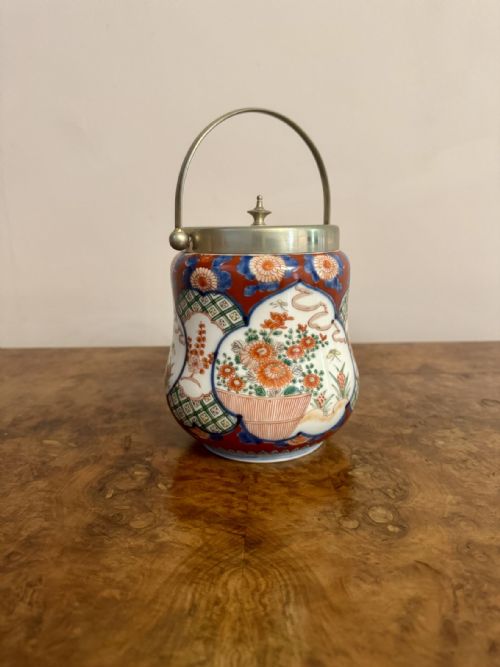


Silver Plated Biscuit Barrel
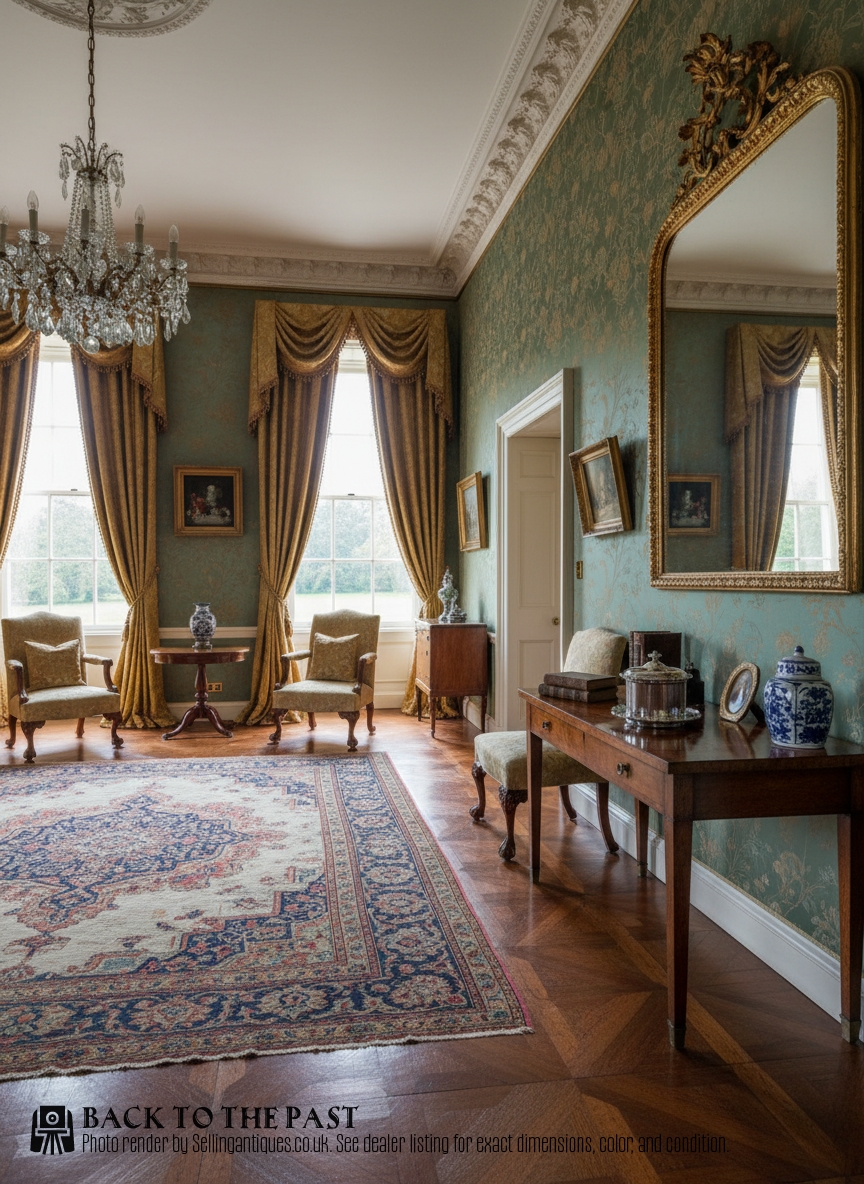
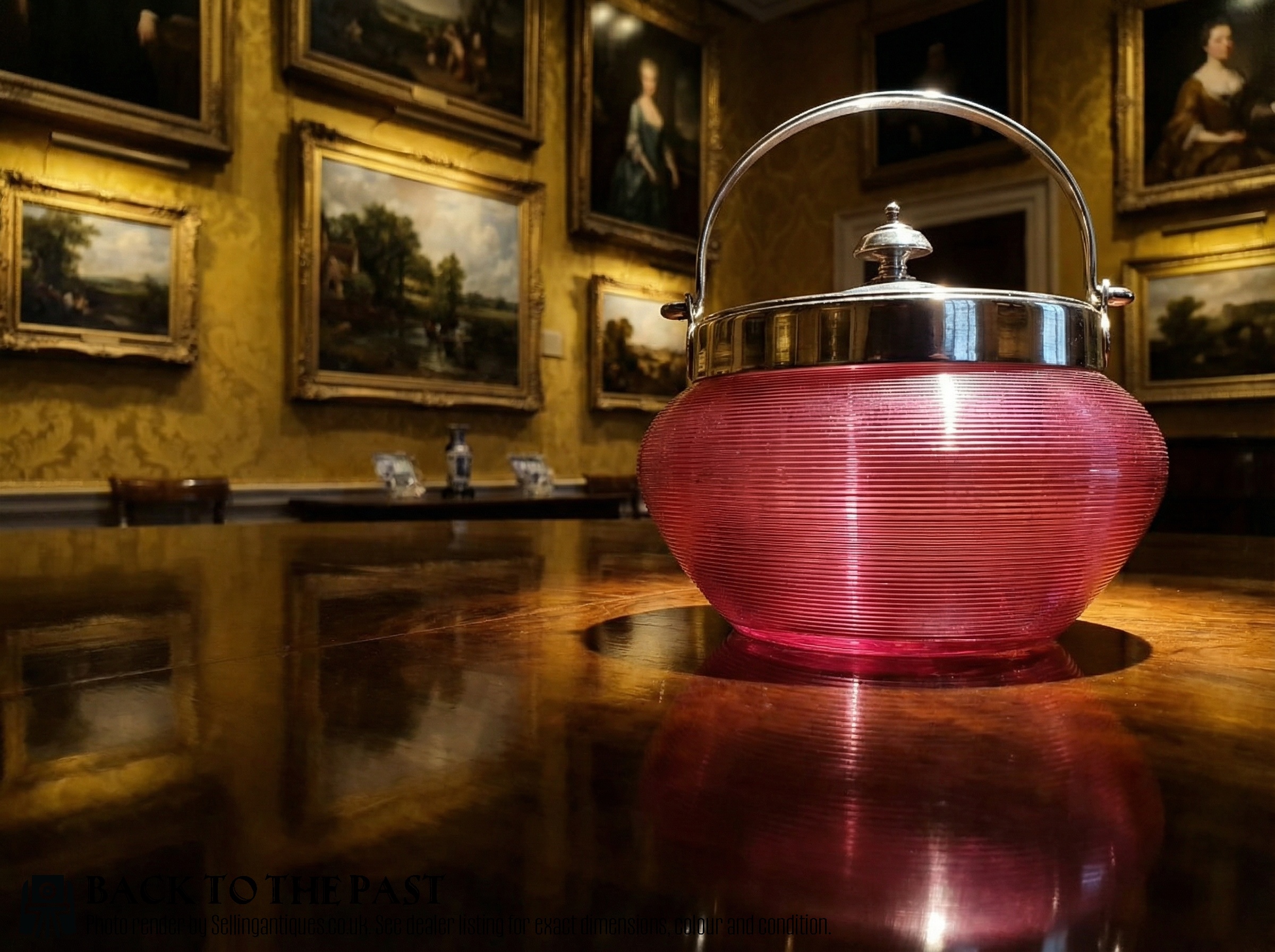
A silver plated biscuit barrel sits at the centre of the table, offering a glimpse into Victorian and Edwardian dining habits through metal and glass.
Silver Plated Biscuit Barrel
A silver plated biscuit barrel is a covered container designed for storing and serving dry biscuits in the nineteenth and early twentieth centuries. The form spans Victorian and Edwardian periods, stretching from the eighteen-sixties into the nineteen-twenties.
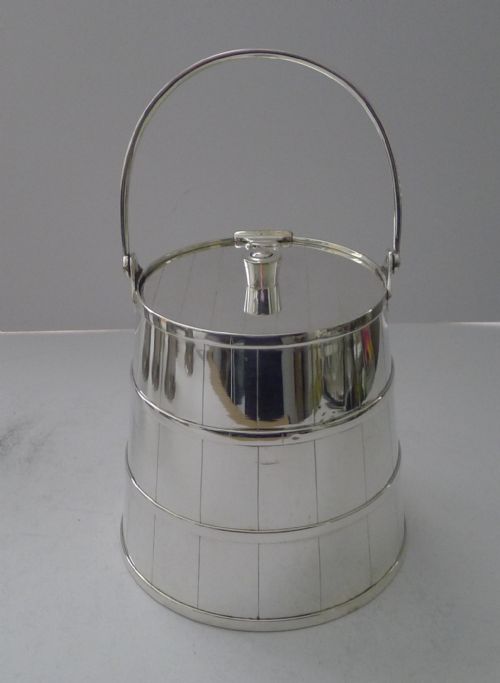
Most examples encountered here combine silver-plated mounts with glass bodies, ceramic bodies, or carved oak staves. The domestic setting for these containers was the drawing room or the dining table, where hospitality involved offering baked goods to guests.
Makers produced cylindrical drums, bell shapes, and novelty configurations such as weights or shells. The silver plated biscuit barrel evolved from simple ceramic jars into elaborate metal-mounted display pieces.
How They Were Made
Makers utilised electroplated nickel silver for the metal mounts, hinges, and swing handles, applying a thin layer of silver over a base metal. This technique allowed workshops to produce complex domestic hollowware economically.
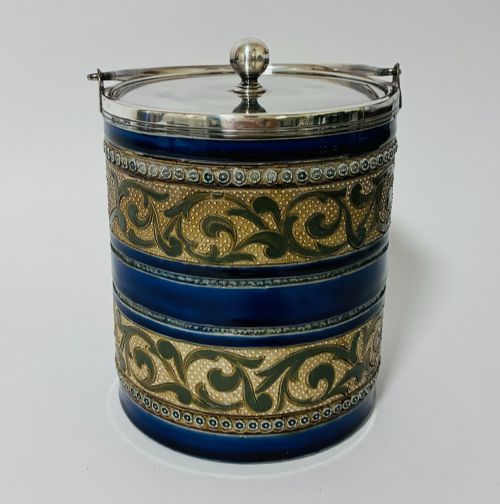
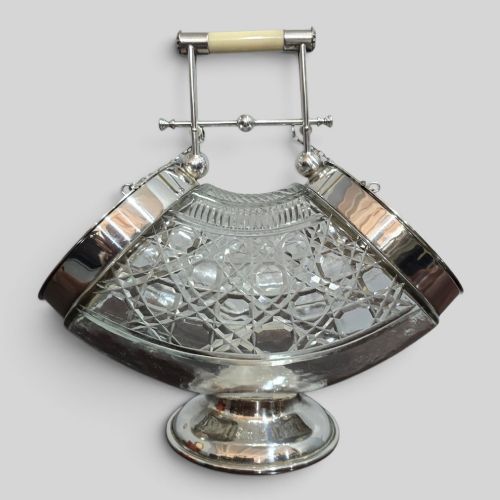
Glass bodies relied on heavy cutting, hobnail patterns, or etching to catch the light, while ceramic versions incorporated glazed earthenware, stoneware, or jasperware. Oak barrels utilised cooperage techniques with metal bands and fitted lids.
Silver Plated Biscuit Barrel Retail Price Guide 2026
Typical asking prices for silver plated biscuit barrel among the pieces listed under this phrase on Sellingantiques today, from the lower quarter to the upper quarter. They describe what is for sale here now, not the wider market.
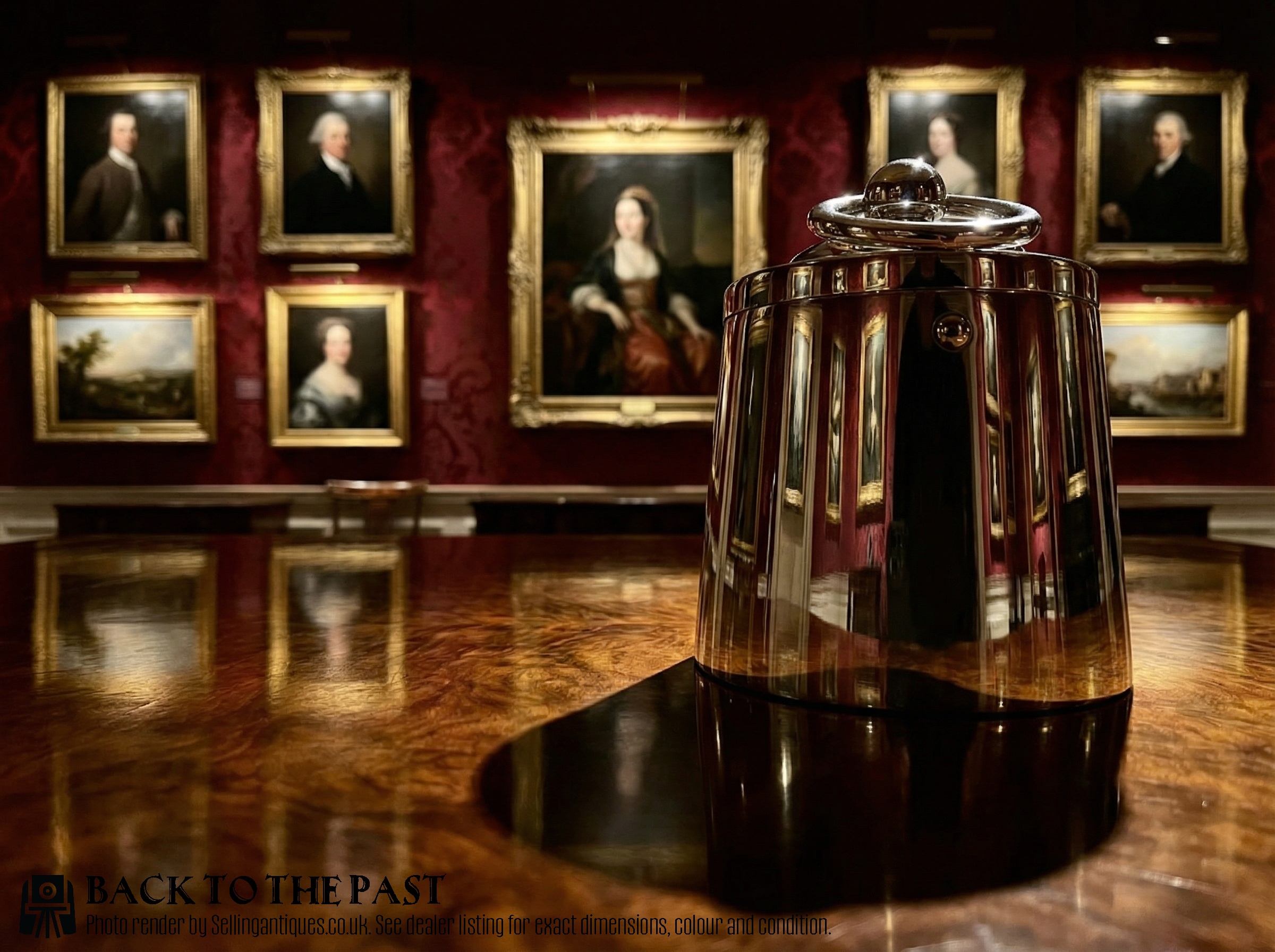
One extraordinary nineteenth-century model takes the literal form of a twenty-eight-pound iron weight.
What Varies In Quality
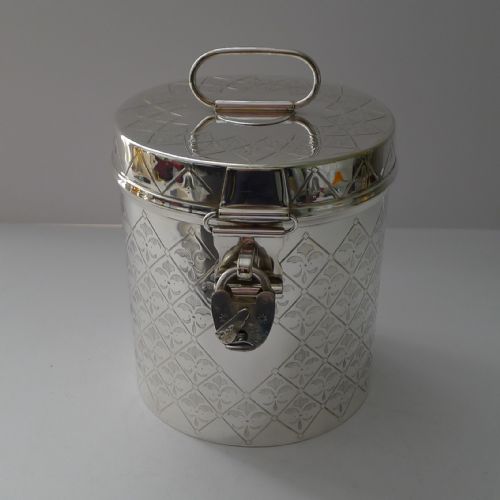
The weight and thickness of the silver plating dictate the longevity of the metalwork, alongside the crispness of chased or engraved ornamentation on the body. Heavier mounts and solid hinges separate standard production from more ambitious workshop output.
Glass and ceramic components show divergence in the depth of wheel-cutting, the sharpness of ceramic relief work, and the precision of the fit between lid and collar. Maker attribution to established firms often correlates with heavier gauges of metal and cleaner assembly.
Mappin and Webb·Elkington and Co·Robert and Belk·Walker and Hall·Fenton Brothers·John Grinsell and Henry Bourne·Doulton Lambeth·Crown Devon·Carlton Ware·Wedgwood·WMF·Copeland
The Silver Plated Biscuit Barrel Glossary
- Electroplated nickel silver
- A base metal alloy coated with a layer of pure silver using an electrical current. This process became widespread during the nineteenth century for domestic metalware.
- Hobnail cut
- A sharp, faceted geometric pattern cut into glass surfaces. The style creates raised square points that resemble the hobnails used in heavy boots.
- Flow blue
- A cobalt blue transfer-printing technique on earthenware where the colour blurred slightly during firing. This effect created a soft, hazy outline around the printed design.
Silver Plated Biscuit Barrel: Frequently Asked Questions
What are silver plated biscuit barrels?
These containers were manufactured during the Victorian and Edwardian periods to keep dry biscuits fresh on the drawing room or dining table. They combine a metal frame and hinged lid with a body made from glass, ceramic, or carved oak.
Craftsmen produced various forms, ranging from simple cylindrical jars to hinged shell boxes and novelty shapes. The combination of silver plate with cut glass or stoneware made them durable household objects.
How do I date a biscuit barrel?
Dating relies on stylistic clues, ceramic bodies, and manufacturer marks stamped into the silver plate. Victorian examples often feature heavy ornamentation, whilst Edwardian pieces lean towards simpler lines or specific glass colours like cranberry.
Makers' marks on the metal mounts provide the most reliable guide to chronology. Comparing the shape, such as an oak stave barrel or a cut glass drum, helps place the piece within its decade of manufacture.
Were these used for biscuits only?
Whilst designed primarily for dry biscuits, some interchangeable forms served multiple functions in the Victorian household. Ice buckets share identical construction and materials, often featuring the same glass liners and swing handles.
Contemporary households often utilise these lidded vessels for general storage or display. Their robust construction suits domestic use across various rooms.
How do I care for silver plate?
Silver plate requires gentle cleaning with non-abrasive cloths and dedicated metal polishes to preserve the thin silver layer over the base metal. Excessive scrubbing will eventually wear through the plating.
Glass and ceramic liners can be washed separately in warm soapy water. Avoiding harsh chemicals protects both the antique metal surface and the integrity of any applied ceramic decoration.