



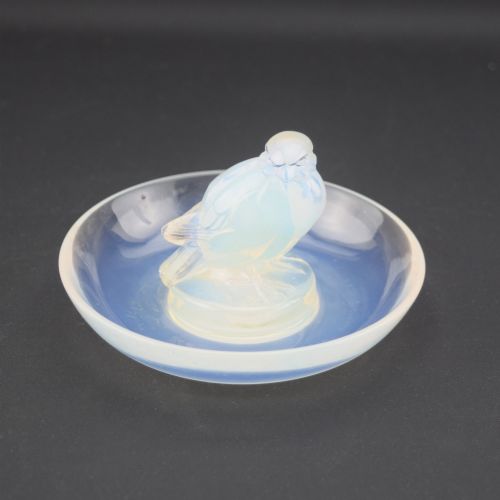
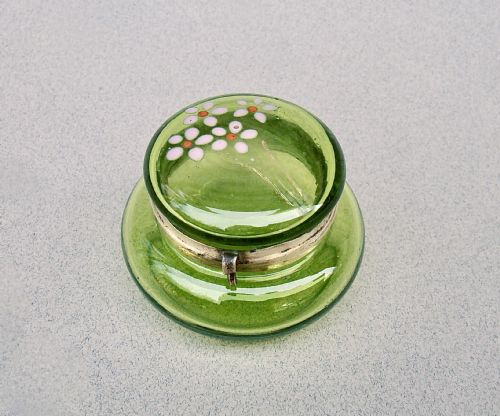
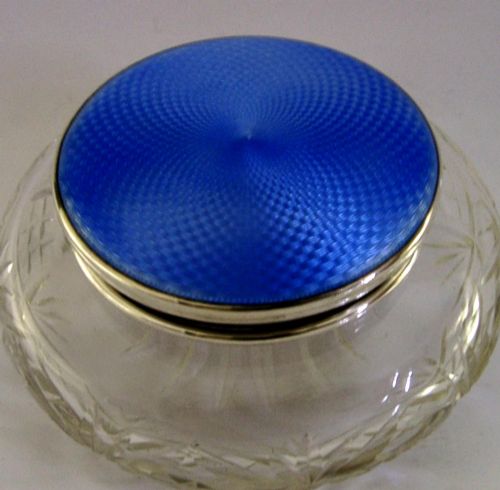
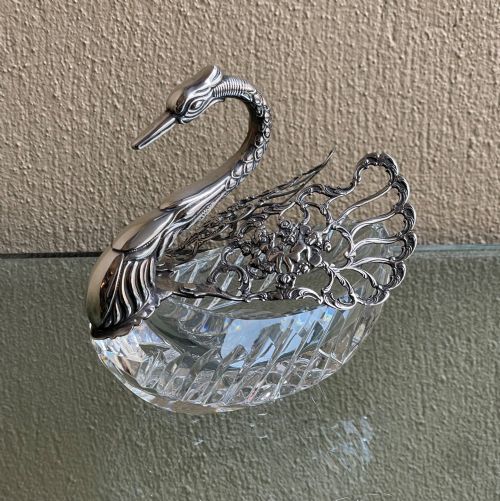
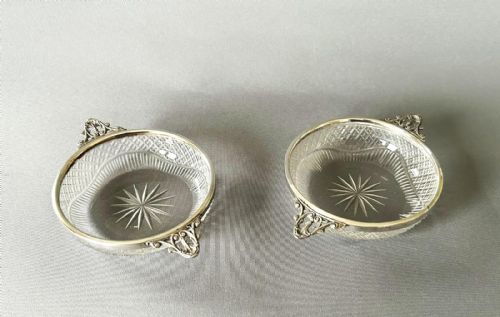


Antique Glass Trinket Dish
An antique glass trinket dish is a dressing table essential that brings colour and refined utility to a room.
Antique Glass Trinket Dish
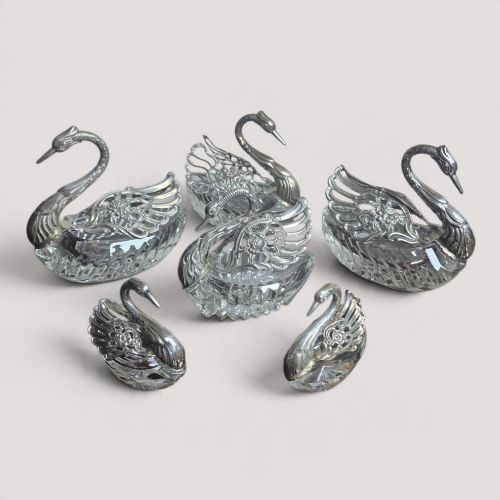
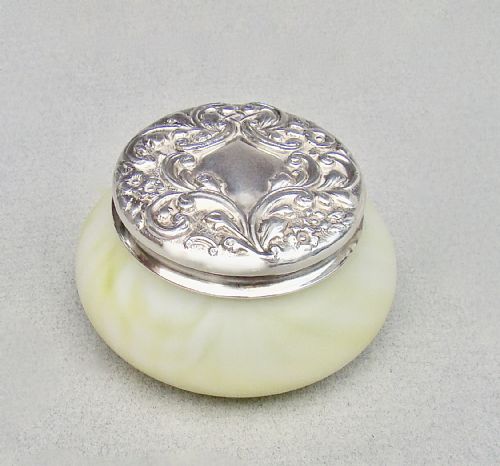
An antique glass trinket dish encompasses small decorative vessels, dressing table jars, lidded boxes, and pin trays designed to hold jewellery and small personal items. These pieces frequently appear paired with silver lids, enamel mounts, or swing handles.
The selections span the Victorian, Edwardian, and Art Deco periods, alongside French Belle Epoque and 19th-century continental origins. Formats range from simple scallop shell dishes to heavily mounted cut glass and crystal boxes.
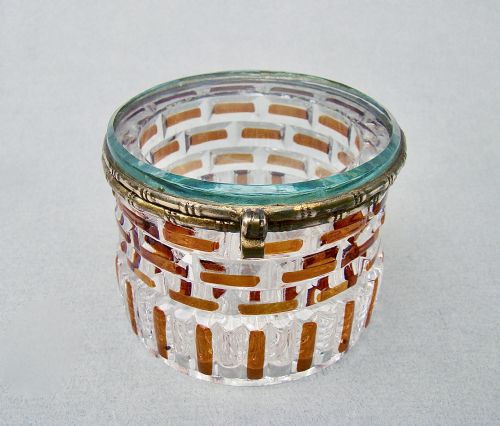
Buyers will encounter moulded, pressed, and cut vessels in varied tones such as cranberry, cobalt blue, amber, and satin glass. Many incorporate precious metals like sterling silver and gold alongside decorative enamel elements.
Materials and construction
Glass production relies on traditional blowing, moulding, and cutting techniques, yielding heavy lead crystal or coloured glass bodies. Artisans then polished and faceted the surfaces to catch the light.
Metal mounts, hinged lids, and rims were fashioned from sterling silver, silver plate, or ormolu, often hallmarked to record the assay office and year. Enamel work and gilt highlights were subsequently applied and fired onto the surfaces.
Antique Glass Trinket Dish Retail Price Guide 2026
Typical asking prices for glass trinket dish among the pieces listed under this phrase on Sellingantiques today, from the lower quarter to the upper quarter. They describe what is for sale here now, not the wider market.
The listings span multiple eras from the 1860s through the 1960s, incorporating materials such as sterling silver, tortoiseshell, and opaline glass.
Distinctions in craftsmanship
Quality rests in the weight and clarity of the glass vessel, the precision of the hand-cut facets, and the richness of coloured glass variants like cranberry or Bristol blue. Crisp moulding without surface distortion distinguishes finer examples.
The execution of the metal mounts and fitted lids also determines grade, with substantial gauge silver, intact enamel work, and secure hinges separating superior pieces from simpler utilitarian containers.
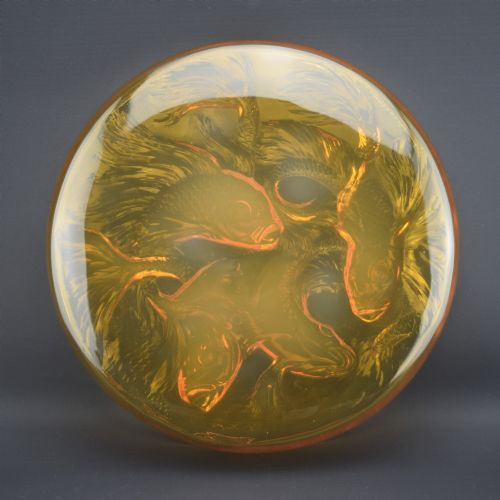
A. J. Pepper & Co·A. Bromet & Co·Posen of Frankfurt·William Comyns·René Lalique
The Antique Glass Trinket Dish Glossary
- Cut glass
- Glass decorated by grinding facets or patterns into the surface using a rotating wheel. This technique creates deep refractive properties that enhance the sparkle of the vessel.
- Enamel
- A durable coloured vitreous substance fused to metal through firing. It often decorates the silver lids and tops of dressing table containers.
- Ormolu
- Gilded bronze or brass used extensively in French decorative metalwork and mountings. It provides a warm golden contrast to clear or coloured glass bodies.
- Satin glass
- Glass treated with hydrofluoric acid to produce a velvety, frosted texture. This finish gained popularity during the late Victorian and Edwardian eras.
Antique Glass Trinket Dish: Frequently Asked Questions
What were glass trinket dishes used for?
These vessels held small personal items such as rings, pins, and hair ornaments on dressing tables and boudoirs. Lidded boxes protected delicate jewellery from dust while open dishes kept daily accessories close at hand.
They also served decorative roles in Victorian and Edwardian bedrooms, functioning as part of matched dressing table sets alongside brushes and perfume bottles.
How do I date an antique glass trinket dish?
Dating relies on stylistic markers such as Art Deco geometric forms or Victorian floral motifs, combined with hallmarks on any silver components. Silver mounts often bear assay office marks and date letters that pinpoint the exact year of manufacture.
Material colours and manufacturing methods, such as mould seams and glass cuts, offer further clues to whether a piece belongs to the nineteenth or twentieth century.
How should I clean and care for them?
Careful dusting with a soft cloth preserves the glass surface and any applied enamel or gilding. Submerging pieces with silver or metal mounts in water risks damaging adhesives and tarnishing the metal components.
If washing is necessary for the glass alone, use lukewarm water and mild soap, ensuring the piece dries completely before reassembly.
Can I use these dishes daily?
These antique containers suit everyday use for holding rings, cufflinks, or small daily jewellery items. Their sturdy glass and metal construction handles normal handling well when placed on stable surfaces.
Care must be taken with delicate enamel lids or fragile historic glass to avoid accidental knocks against harder surfaces.