



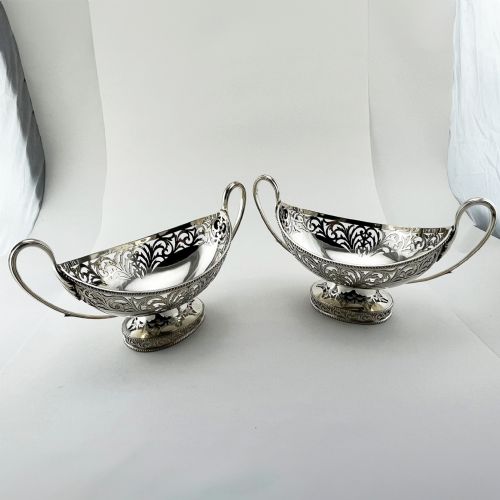


Silver Plated Bonbon Dish
A silver plated bonbon dish is a small decorative server designed for sweets, bringing period metalwork and coloured glass to a table.
Silver Plated Bonbon Dish
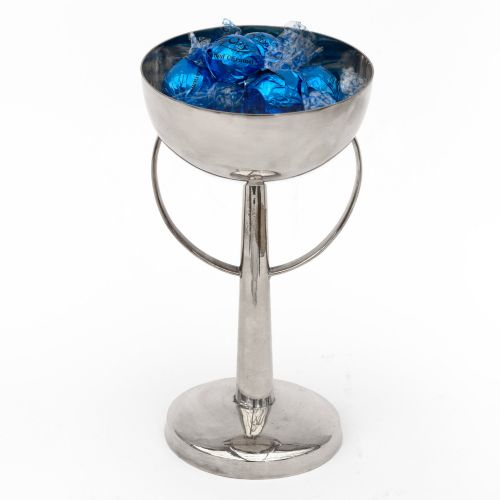
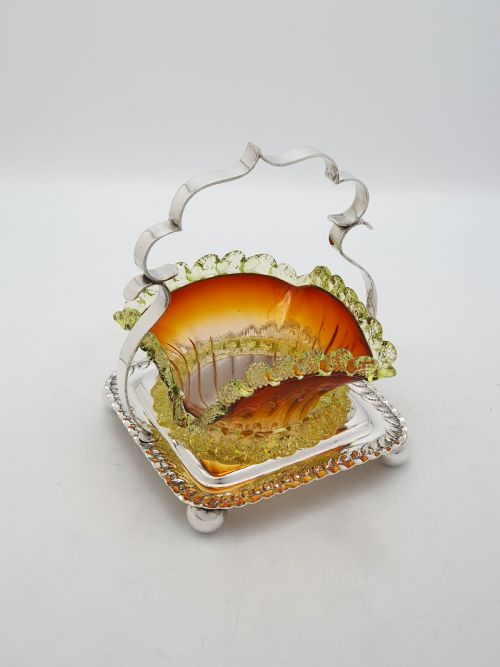
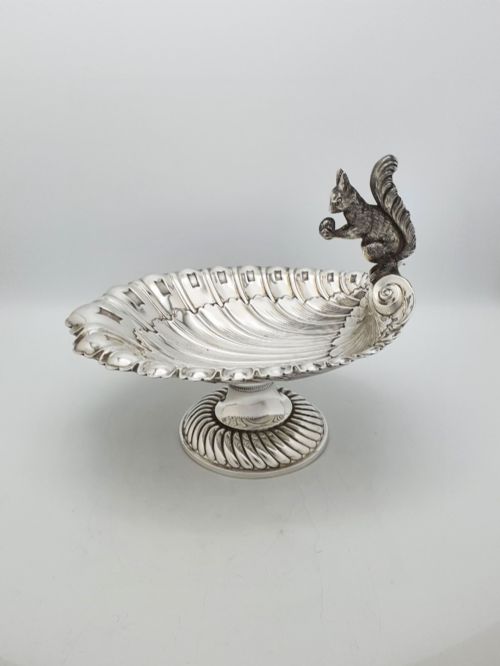
When someone searches for a silver plated bonbon dish, they are looking for small decorative serving pieces designed for sweets, nuts, and sweetmeats. The silver plated bonbon dish emerged in various forms across the Victorian, Edwardian, and Art Deco periods, ranging from simple footed bowls to swing-handled baskets. You are most likely to encounter Edwardian examples paired with coloured glass liners or Victorian naturalistic metalwork on this page.
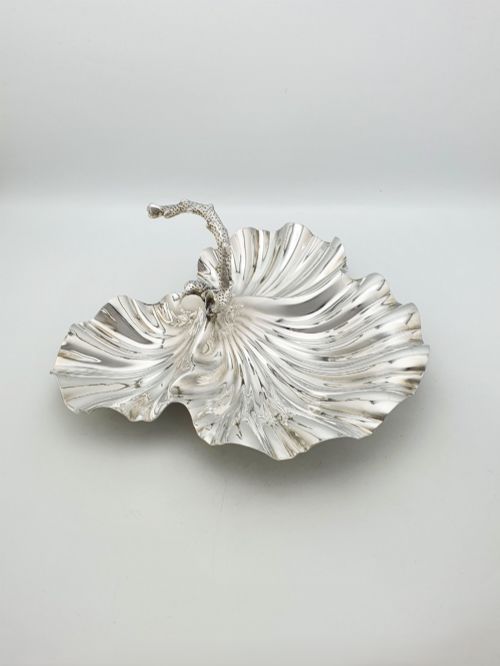
The objects span multiple decades and styles, including aesthetic movement items and substantial pieces from the eighteenth century onwards. Forms include pierced baskets, shell-shaped dishes, and lidded serving vessels that double as trinket bowls. Each piece demonstrates the domestic utility and ornamental ambition of its era, often resting on small ball feet or wirework stands.
Materials and Construction
Makers utilised silver plate, electroplated nickel silver, and old Sheffield plate as the metal base for these dishes. These metallic frames were shaped through casting, stamping, and piercing to create openwork galleries, reeded handles, and stylized coral motifs.
Glass liners in cranberry, amber, ruby, pink opaque, and vaseline tones were blown, moulded, or cut to fit within the metal frameworks. The combination of reflective silver surfaces with vibrant coloured glass defined the manufacturing approach of the period workshops.
Silver Plated Bonbon Dish Retail Price Guide 2026
Typical asking prices for silver plated bonbon dish among the pieces listed under this phrase on Sellingantiques today, from the lower quarter to the upper quarter. They describe what is for sale here now, not the wider market.
Materials recorded across the inventory include cranberry glass, vaseline glass, cut glass, and electroplated nickel silver.
Distinctions in Quality
The calibre of a silver plated bonbon dish rests on the crispness of its metalwork, the weight of the silver deposit, and the integration of the glass insert. Superior pieces display finely pierced galleries, robust handles that remain secure, and thick glass free from chips.
Makers such as WMF or named retailers like Mappin and Webb introduced distinct design intent, whereas unmarked or later utilitarian items often relied on simpler stamped patterns. The presence of undamaged coloured glass liners, particularly in vaseline or cranberry hues, elevates the overall standard of an item.
WMF·Thomas Bradbury·Roberts and Belk·Mappin and Webb
The Silver Plated Bonbon Dish Glossary
- Silver Plate
- A thin layer of silver bonded to a base metal such as copper or nickel silver. This technique allowed domestic households to own tableware with the appearance of solid silver at a lower cost.
- Old Sheffield Plate
- An early method of fusing a sheet of silver to a copper core before rolling them together. Pieces produced this way often reveal a thin line of copper along exposed edges.
- Vaseline Glass
- A type of glass containing uranium dioxide that exhibits a distinct yellow-green fluorescence under ultraviolet light. It appears frequently in Edwardian table wares.
- Sweetmeat Basket
- A small footed or handled vessel intended for holding preserved fruits, nuts, or small confections. These often feature pierced metal sides and removable glass inserts.
- Electroplated Nickel Silver
- A base alloy of copper, nickel, and zinc coated with a layer of silver using an electrical current. It became the standard industrial method for silver coating nineteenth-century metalware.
Silver Plated Bonbon Dish: Frequently Asked Questions
What is a silver plated bonbon dish?
A silver plated bonbon dish is a small tabletop vessel created to hold sweets, nuts, or small confections during formal dining or tea service. They combine a metal stand with decorative elements like pierced work or glass liners.
These items date predominantly from the nineteenth and early twentieth centuries, reflecting changing domestic fashions and entertaining habits across the Victorian and Edwardian eras.
How were glass liners used?
Glass liners sat inside the metal framework of the dish to hold moist or sticky confections without damaging the silver plate. They could be lifted out easily for cleaning.
Coloured glass varieties like cranberry, ruby, and vaseline added vibrant contrast to the polished metal frames.
How do I date an Edwardian dish?
Edwardian dishes often display lighter, airier forms influenced by Art Nouveau or classical revival styles popular around nineteen hundred. Look for swing handles and bright coloured glass inserts typical of the period.
Maker marks and registration numbers stamped on the base can also help narrow down the exact decade of manufacture.
Are these dishes safe for food?
While these items were originally made for serving food, their current suitability depends on the condition of the silver plate and the integrity of the glass. Many collectors prefer to use them for display or dry items like wrapped sweets.
Gentle cleaning with appropriate silver polish helps maintain the metal without stripping the historic plating.