



Silver Plated Butter Dish
A silver plated butter dish brings Victorian and Edwardian dining elegance to the table, offering a functional vessel for serving dairy with decorative flair.
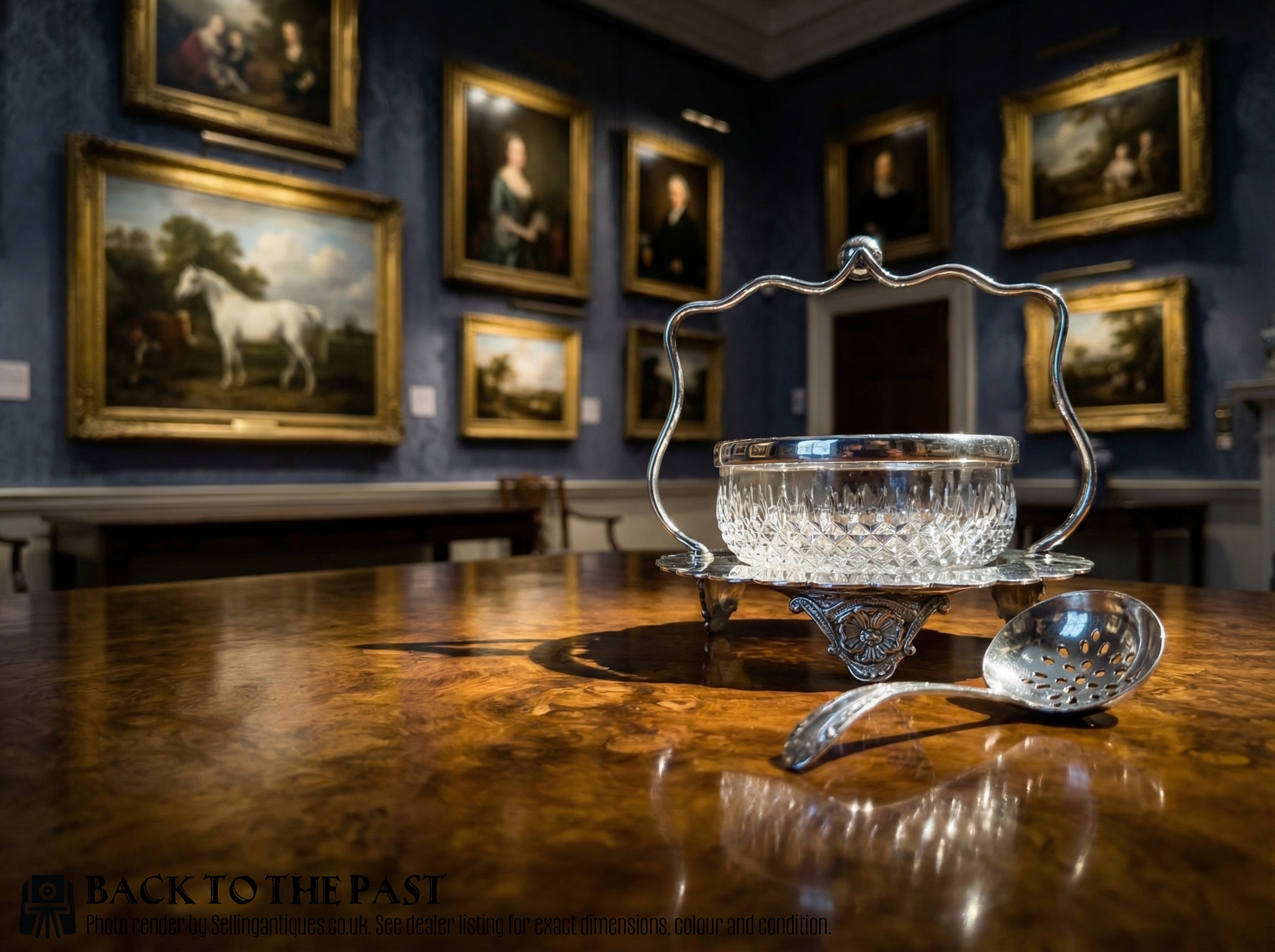
Silver Plated Butter Dish
A silver plated butter dish is a specialised table serveware item designed to hold and present butter at the dining table. These pieces predominantly date from the Victorian and Edwardian periods, stretching into the Art Deco era.
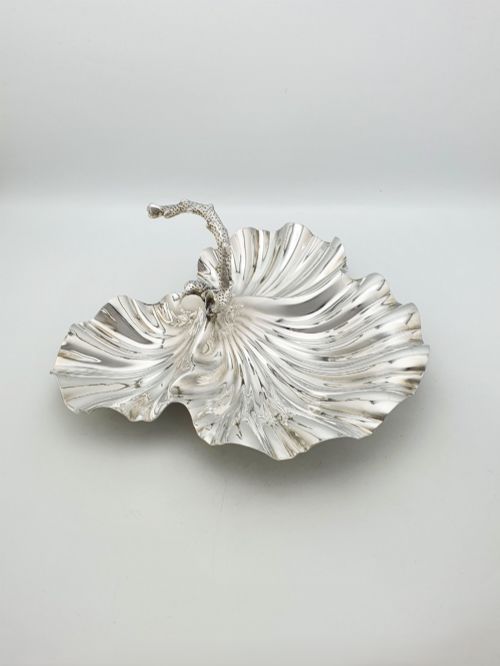
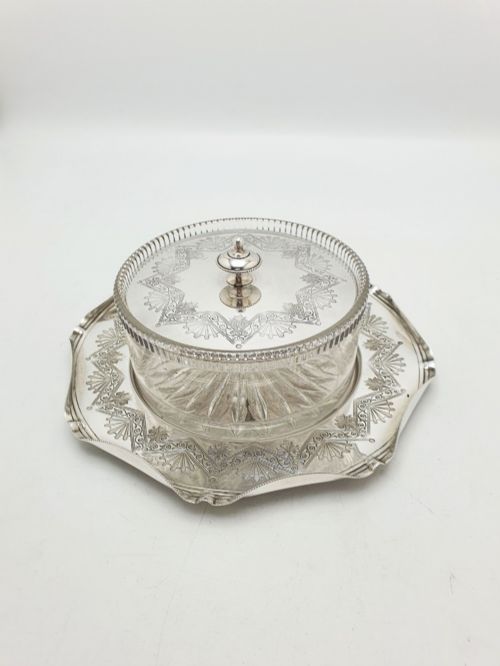
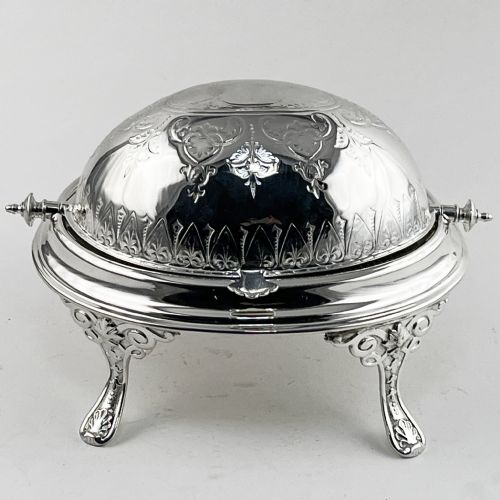
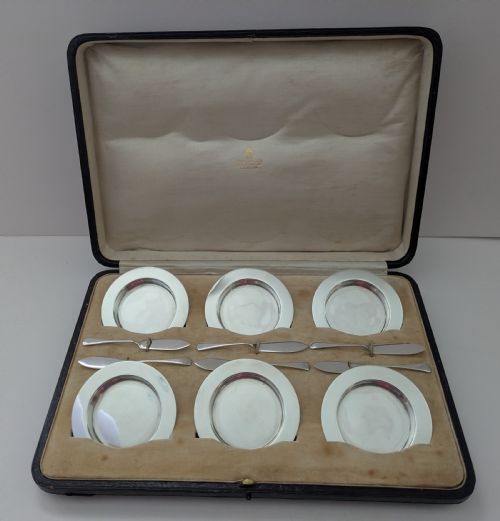
The most common formats on this page include covered dishes with removable glass liners, alongside revolving lidded models that reveal the contents with a roll of the top. Novelty designs incorporating animal finials such as cows, cats, or rams heads also appear frequently across the inventory.
How They Were Made
These items combine electroplated nickel silver or standard silver plate with blown, cut, or pressed glass liners. Metals were shaped by stamping, casting, or spinning, then plated with a thin layer of silver.
Liners were manufactured from clear glass, frosted glass, or opaline glass, and occasionally china or oak frames were integrated to support the vessel.
Silver Plated Butter Dish Retail Price Guide 2026
Typical asking prices for silver plated butter dish among the pieces listed under this phrase on Sellingantiques today, from the lower quarter to the upper quarter. They describe what is for sale here now, not the wider market.
What Varies in Quality
The standard of a silver plated butter dish depends heavily on the crispness of its cast ornament and the weight of the metal base. Pieces with intricate naturalistic motifs or figural handles demonstrate superior craftsmanship compared to plain utilitarian versions.
The presence of an original, undamaged glass or china liner substantially elevates the integrity of the piece. Maker attribution and the mechanical smoothness of revolving roll-over lids also divide standard production from high workshop output.
Asprey And Co·Elkington And Co·James Dixon And Son
The Silver Plated Butter Dish Glossary
- Silver Plate
- A base metal such as nickel silver covered with a thin layer of pure silver through an electrochemical process. This technique became widespread during the Victorian era for domestic tableware.
- Electroplated Nickel Silver
- An alloy of copper, nickel, and zinc coated with silver. It provided a durable and bright foundation for ornate nineteenth-century serving dishes.
- Revolving Lidded Dish
- A table vessel featuring a semi-cylindrical lid that rolls backward on a track into the body of the dish. This mechanism allows easy access to the butter while keeping it covered.
- Finial
- A decorative knob or figure attached to the top of a lid for lifting. Novelty examples often depict animals such as cows or cats.
- Liner
- A removable insert made of glass, ceramic, or china that sits inside the metal frame to hold the food. Liners protect the silver plating from direct contact with dairy fats and acids.
Silver Plated Butter Dish: Frequently Asked Questions
What is a silver plated butter dish used for?
A silver plated butter dish served as a dedicated table vessel for presenting and protecting butter during formal meals.
The design kept dairy cool on the dining table while adding a polished decorative element to the spread.
How do I clean a silver plated butter dish?
Clean these items using a gentle silver polish and a soft cloth to avoid wearing away the thin metal coating.
Remove glass or ceramic liners beforehand and wash them separately in warm soapy water.
Are the glass liners usually original?
Many surviving pieces retain their original cut glass, frosted glass, or opaline liners, which fit the internal frame precisely.
Because glass is fragile, replacements are sometimes fitted later to match the dimensions of the antique metal base.
How do revolving lid butter dishes work?
Revolving lidded dishes operate with a curved metal hood that tracks smoothly into the underside or back of the container.
Turning the handle or pressing the edge rolls the lid out of sight to expose the contents for serving.