



Victorian Silver Plate Dish
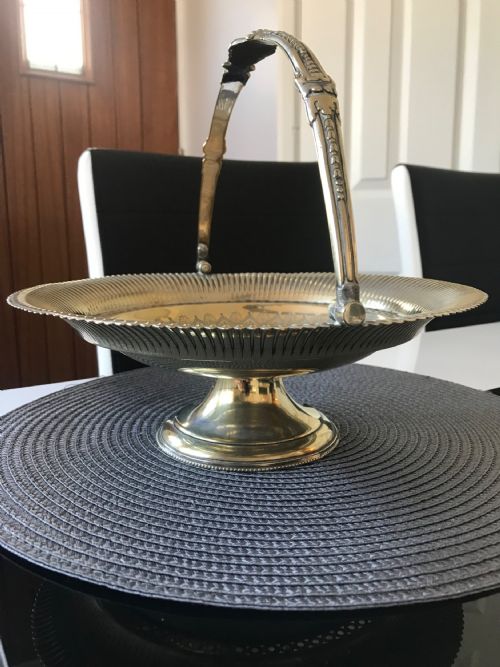
A victorian silver plate dish brings tactile nineteenth-century dining elegance to the modern table through elaborate metalwork and colourful glass liners.
Victorian Silver Plate Dish
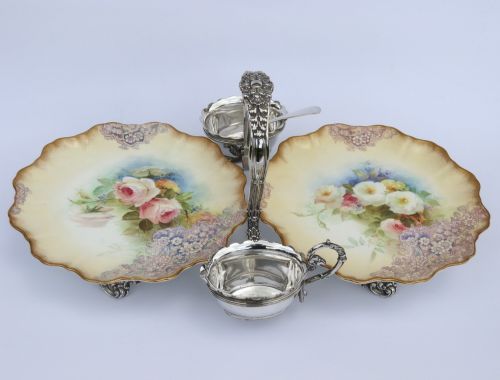
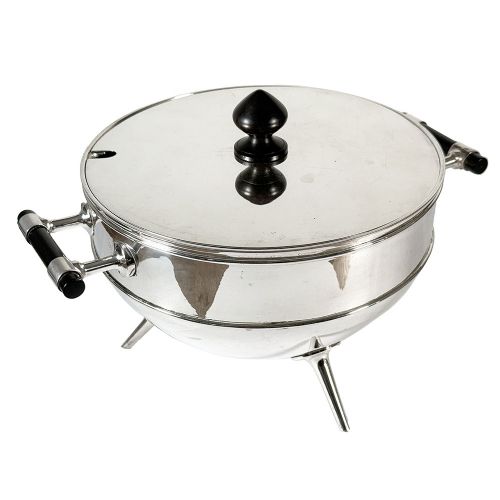
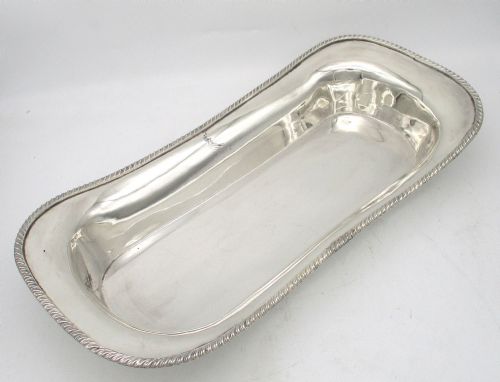
A victorian silver plate dish encompasses a wide array of domestic serveware designed for formal dining, from fruit baskets and butter dishes to revolving breakfast warmers and sardine servers.
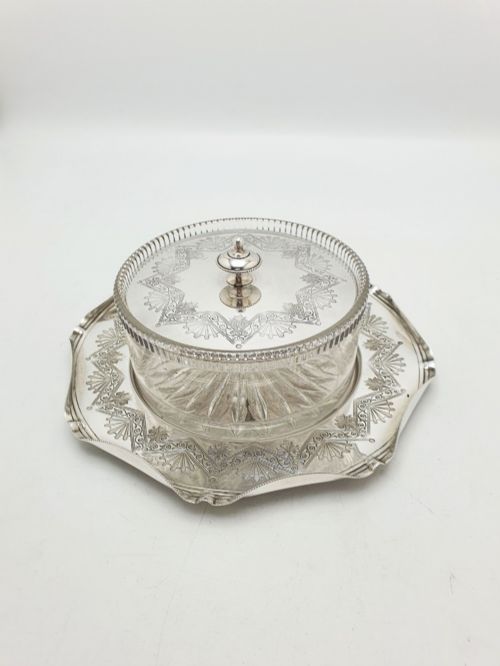
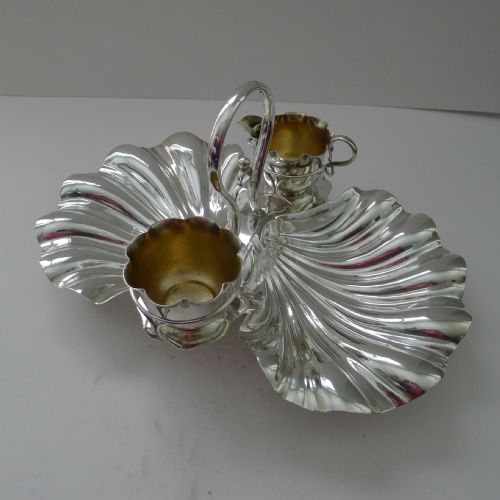
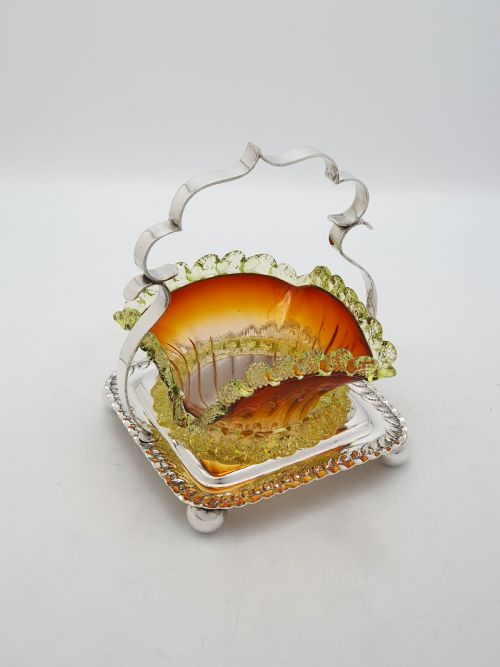
The objects frequently combine polished metal with contrasting coloured inserts, including cranberry glass, vaseline glass and cut crystal.
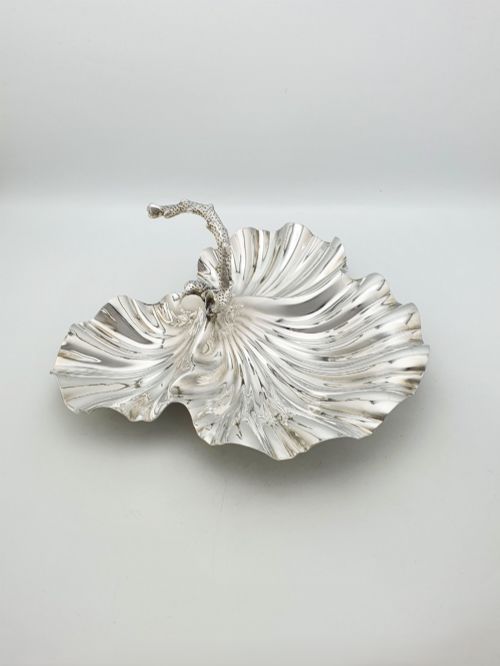
Master makers of the period produced versatile forms ranging from Neoclassical fruit bowls to whimsical squirrel nut dishes and shell-shaped sweetmeat holders.
How They Were Made
Silversmiths utilised electroplated nickel silver and standard silver plate over base metals, often employing Old Sheffield plating techniques on earlier items.
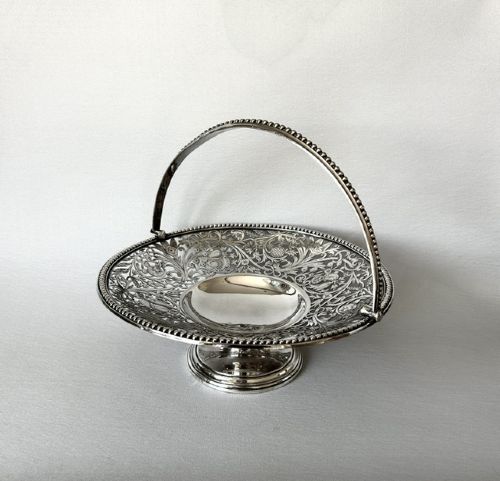
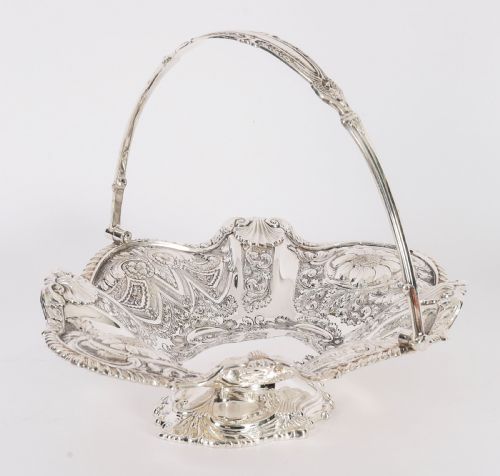
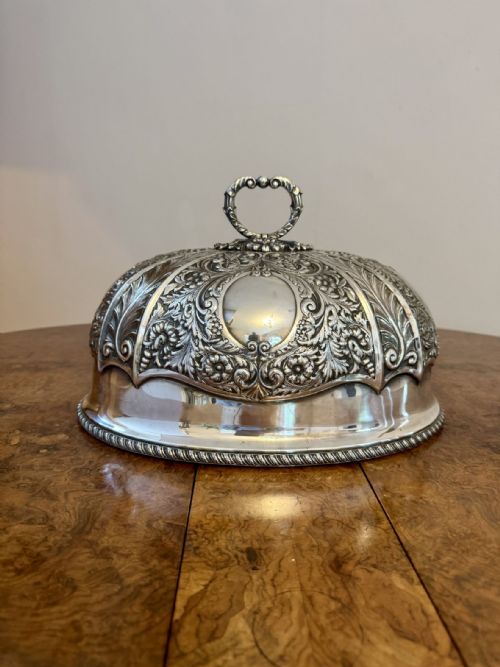
Decorative elements relied on detailed casting, piercing and hand engraving, featuring motifs such as grapevines, floral sprays and geometric borders.
Glass components were mouth-blown, cut and sometimes hand-painted to complement the lustrous metallic frames and stands.
Victorian diners apparently required dedicated silver-plated squirrel nut dishes complete with tiny cast nutcrackers.
What Varies in Quality
The distinction between standard domestic items and high-end presentation pieces lies in the crispness of the chasing and the depth of the metal deposition.
Makers known for exceptional manufacturing standards integrated heavy mounts and precise mechanical action into revolving lids and warming compartments.
George W. Scott & Sons Ltd·Daniel Arter·Walker and Hall·WMF·Hukin & Heath·Thomas Bradbury·Mappin and Webb·Walker Knowles·Roberts and Belk·Elkington & Co·Martin Hall·William Hutton & Co·Francis Howard
The Victorian Silver Plate Dish Glossary
- EPNS
- Electroplated Nickel Silver. This designates base metal coated with a layer of silver through an electrolytic process.
- Cranberry Glass
- A rich red-pink glass created by adding gold chloride to the molten batch. It frequently appears in Victorian preserve and bonbon dishes.
- Entrée Dish
- A covered serving vessel used for presenting courses during formal nineteenth-century meals. Many examples feature removable handles for versatile serving.
- Revolving Dish
- A container with a semi-circular roll-over lid that slides smoothly beneath the body. These pieces were popular for keeping butter or breakfast dishes warm.
- Vaseline Glass
- A transparent yellow-green glass containing uranium dioxide that glows under ultraviolet light. It is commonly found paired with late Victorian silver-plated frames.
Victorian Silver Plate Dish: Frequently Asked Questions
How were silver plated dishes used?
These vessels served specialised functions at nineteenth-century dining tables, holding butter, fruit, preserves, biscuits, or hot meats.
Many incorporated clever mechanisms like revolving hoods or warming compartments to keep food at the correct temperature during lengthy meals.
What is electroplated nickel silver?
Electroplated nickel silver is a strong alloy of copper, nickel and zinc that received an outer coating of pure silver via electrolysis.
This technique democratised domestic dining by providing the luxurious appearance of solid silver at a fraction of the cost.
How do I care for antique silver plate?
Gentle cleaning with a dedicated silver cloth prevents the loss of the thin metallic layer over decades of polishing.
Glass inserts should be washed separately by hand in warm soapy water to protect both the ceramic or glass body and the surrounding metal mount.
How do I date these dishes?
Stylistic clues such as Aesthetic Movement geometry, Art Nouveau sinuous lines, or Neoclassical symmetry help narrow down the production era.
Maker marks stamped into the base provide definitive clues when cross-referenced against historical silversmith registries.