




Antique Silver Tabletop Accessory
An antique silver tabletop accessory brings character and functional elegance to a room, offering genuine period craftsmanship from Victorian to Art Deco makers.
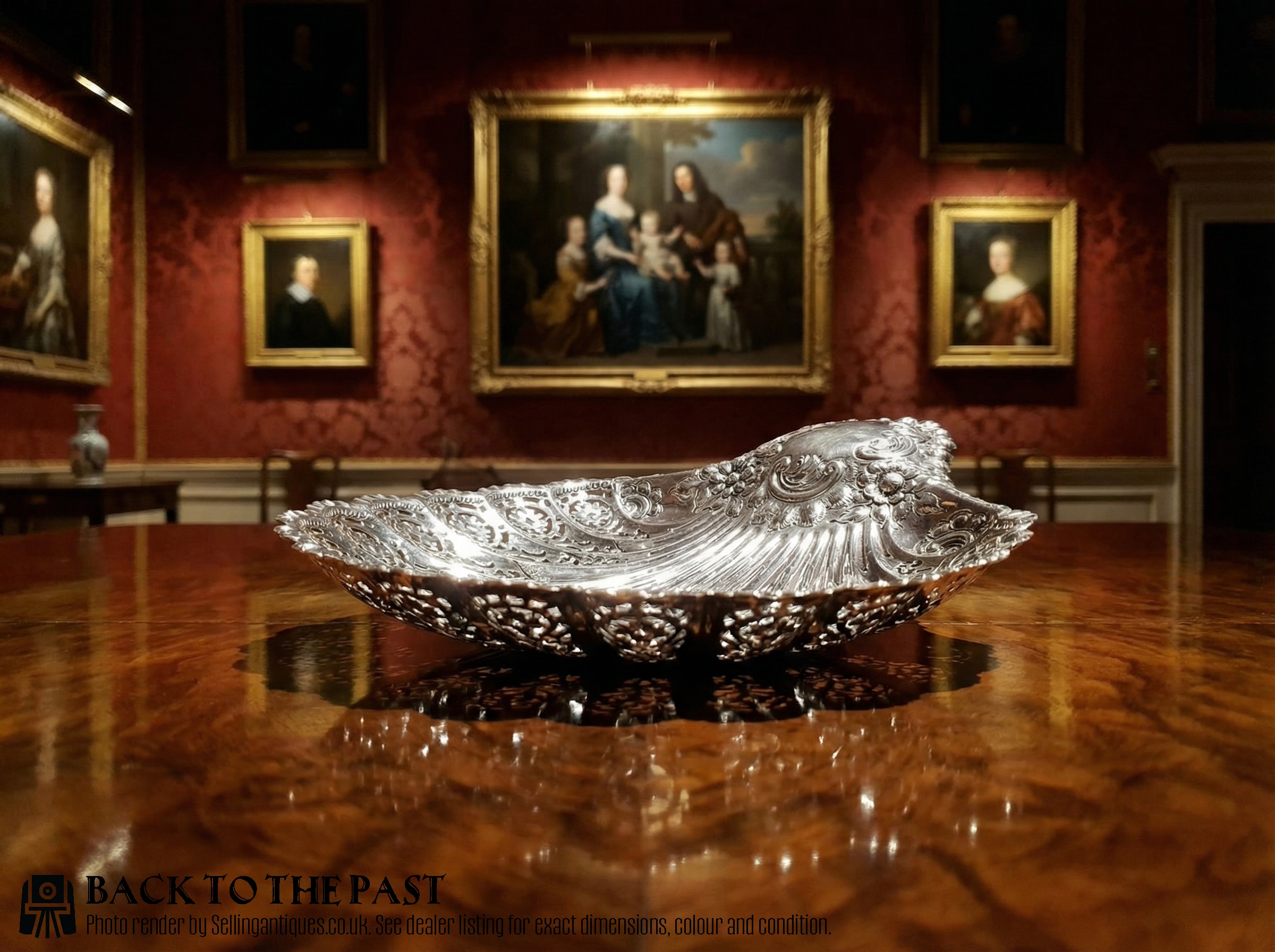
Antique Silver Tabletop Accessory
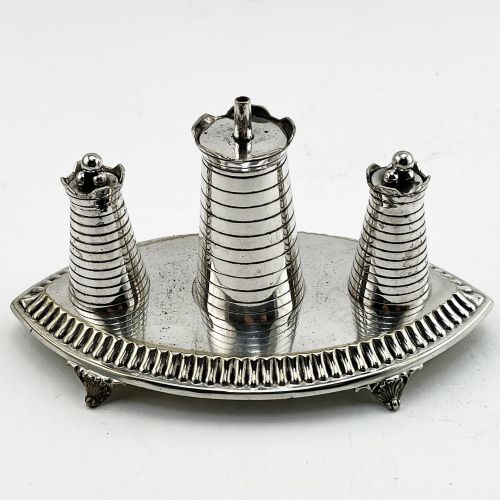
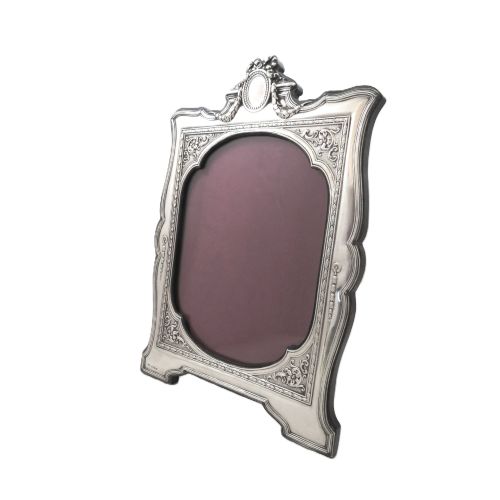
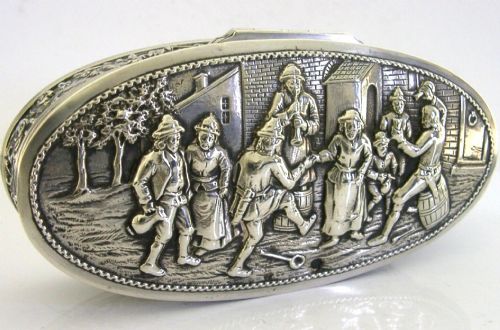
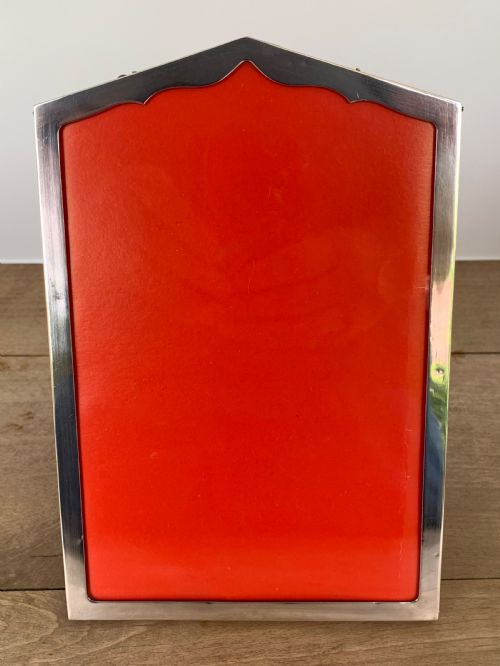
An antique silver tabletop accessory encompasses diverse functional and decorative items designed for domestic use, ranging from photo frames to cruet sets and snuff boxes. When exploring this category, buyers encounter pieces spanning the nineteenth and twentieth centuries, including Victorian, Edwardian, and Art Deco examples.
The objects listed demonstrate practical utility combined with ornamental refinement, utilising materials such as sterling silver, silver plate, wood, velvet, and cut glass. The selection reflects varied domestic habits of past eras, from lighting cigars to serving condiments at the dining table.
Materials and construction
Makers utilised solid sterling silver, nickel silver, and silver plate over base metals, frequently pairing these metallic elements with organic materials like horn and wood. Structural integrity depended on traditional silversmithing techniques, including casting, chasing, and plating.
Decorative surface work incorporated fine glass cutting for cruet bottles and lemon squeezers, alongside fitted velvet linings within boxes and frames. These combined methods ensured both durability and visual appeal for everyday domestic service.
Victorian smokers could ignite their cigars using castle-shaped mechanical lighters that brought miniature medieval architecture directly to the parlor table.
Assessing quality
Quality in these pieces is defined by the crispness of chased ornament, the weight of the metal, and the reputation of the manufacturing firm or silversmith. Finer examples retain clear hallmarks, substantial gauge silver, and intricate detailing without excessive wear to plated surfaces.
Construction details such as tight hinges on snuff boxes, securely mounted wooden backs on photo frames, and intact crystal facets distinguish superior pieces from standard production. Maker attribution, particularly through recognised Birmingham or London assay marks, elevates the standing of an item.
Elkington & Co·Deakin & Francis
The Antique Silver Tabletop Accessory Glossary
- Hallmark
- Official marks stamped on precious metals indicating the standard of purity, the assay office, and the year of manufacture. These stamps provide verifiable historical context for the piece.
- Cruet set
- A collection of small bottles or containers designed to hold condiments like oil, vinegar, salt, and pepper for the dining table. They are frequently held within a fitted silver or plated stand.
- Bonbon dish
- An ornamental bowl or small dish specifically intended for serving sweets, confections, or bonbons. They often feature pierced or chased decorative borders.
- Table lighter
- A mechanical device placed on a desk or table to provide a flame for cigars or cigarettes. Novelty versions often took fanciful architectural or figural shapes.
- Silver plate
- A manufacturing method where a thin layer of silver is bonded to a base metal such as copper or nickel. This technique offered the appearance of solid silver at a lower cost.
Antique Silver Tabletop Accessory: Frequently Asked Questions
How do I clean silver tabletop items?
Use a soft microfiber cloth and a mild, specialised silver polish to gently remove tarnish without abrading raised details or hallmarks. Avoid harsh chemical dips, which can strip away desirable patination and damage organic components like wood or velvet linings.
Store pieces in a dry environment away from direct sunlight to minimise future tarnishing. Regular, gentle dusting is often sufficient for items kept on display.
What is the difference between solid silver and silver plate?
Solid silver, often marked as sterling, consists of a high purity alloy throughout the entire object, typically ninety-two point five percent silver. Silver plate involves a thin layer of silver applied over a base metal foundation.
Examining hallmarks helps distinguish between the two, as plated items generally carry maker marks that do not include standard sterling purity symbols like the lion passant.
How can I date an antique silver accessory?
Assay office letters and date marks stamped directly into the metal provide the most precise indication of a piece's creation year. Stylistic cues, such as the geometric lines of Art Deco or the ornate scrollwork of the Victorian period, offer a reliable secondary guide.
Matching the stamped symbols against established hallmarking registers reveals the exact town and year of testing.
Were these tabletop accessories used daily?
Many of these objects served practical functions in Victorian and Edwardian households, from holding photographs to dispensing condiments during formal meals. Items like snuff boxes and cigar lighters were handled frequently throughout the day.
Their survival in good condition reflects both the durability of the materials used and the care taken by successive owners over the decades.