



Solid Silver Bonbon Dish
A solid silver bonbon dish is a small decorative vessel for sweets or nuts, prized for its intricate metalwork and historical charm.
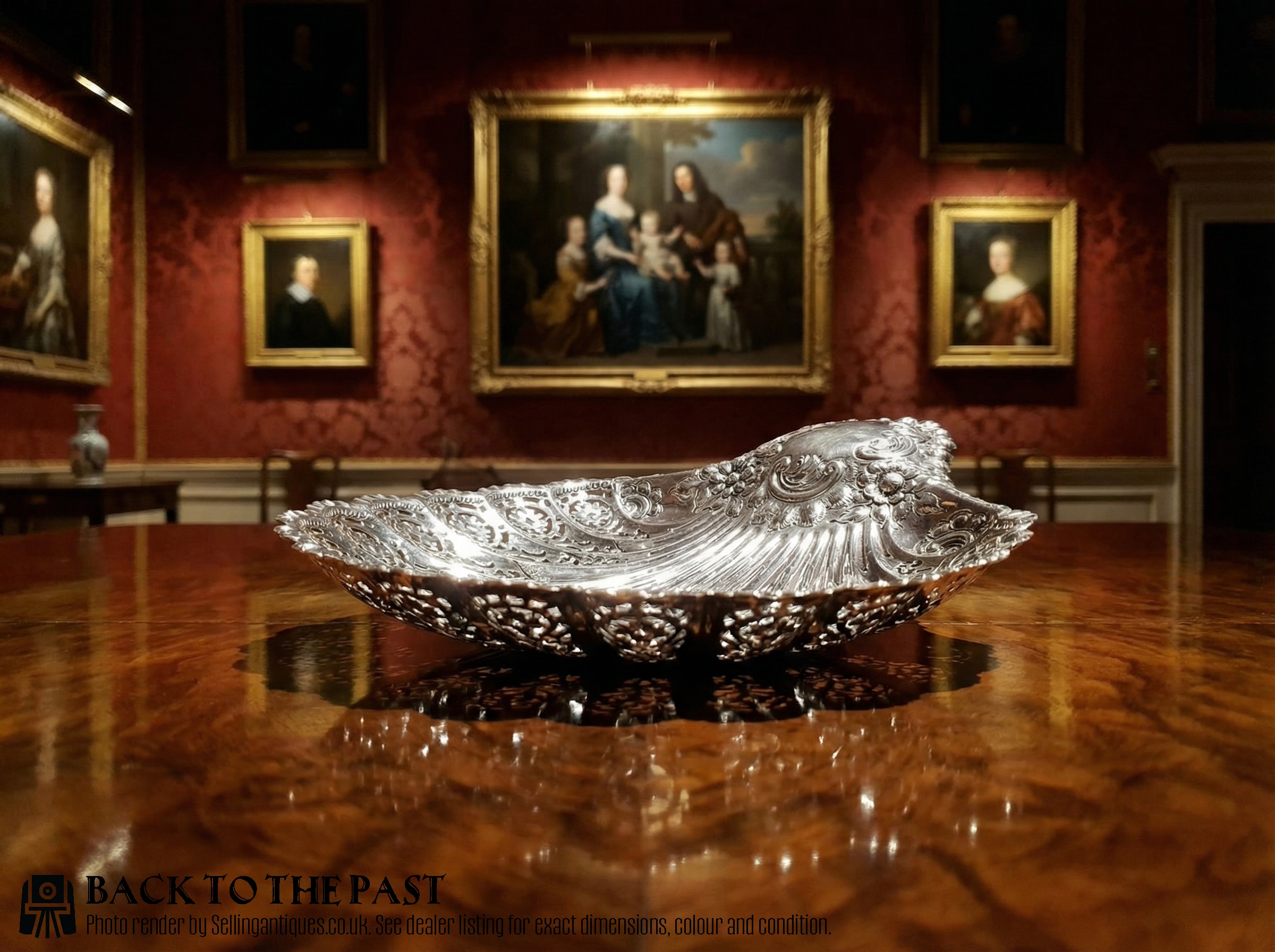
Solid Silver Bonbon Dish
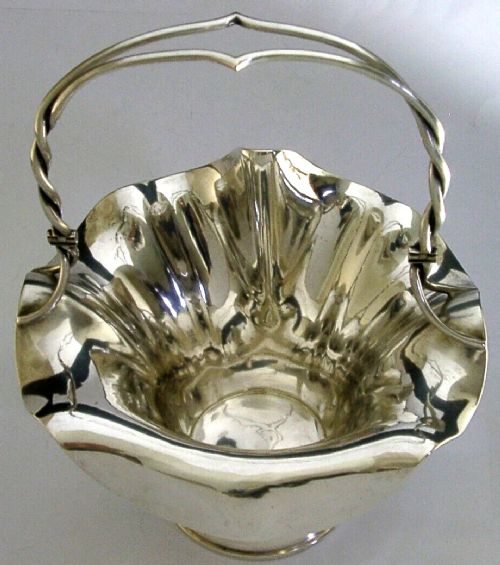
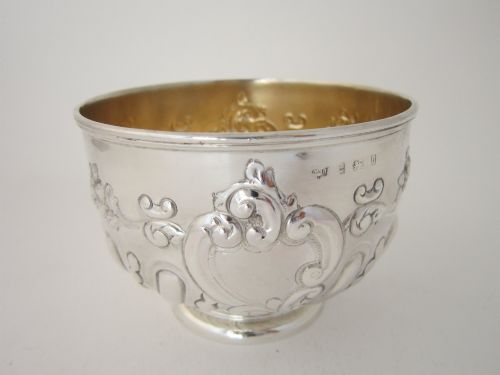
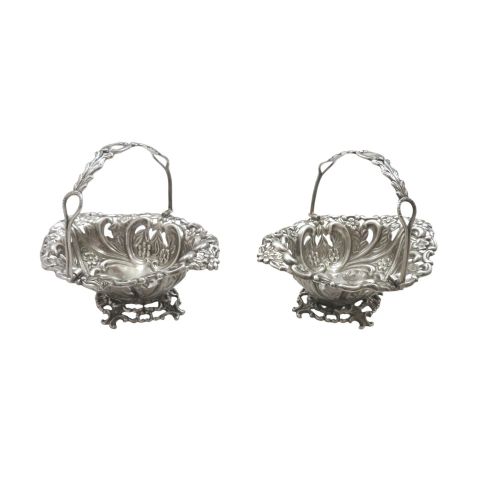
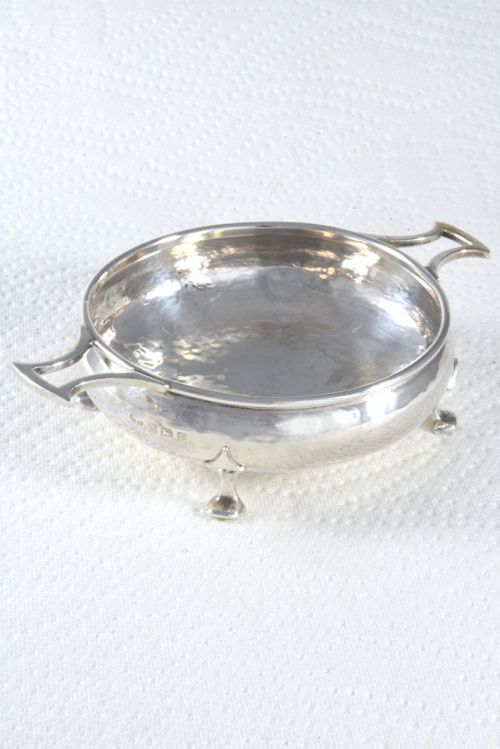
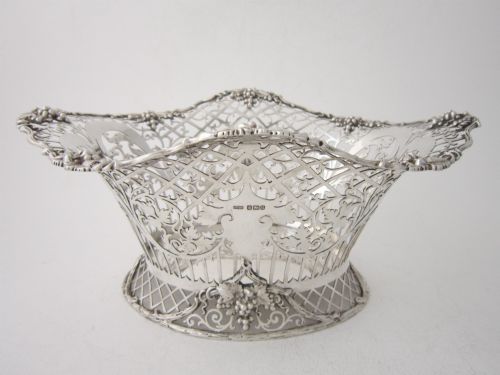
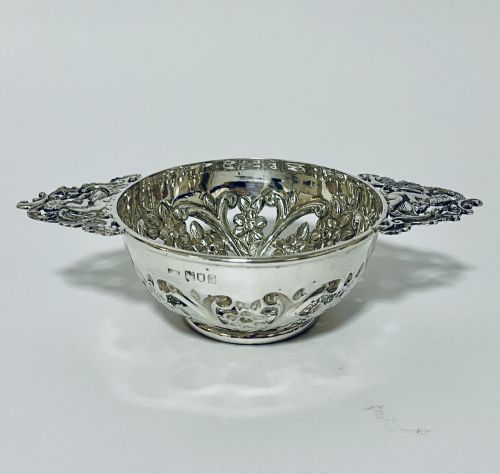
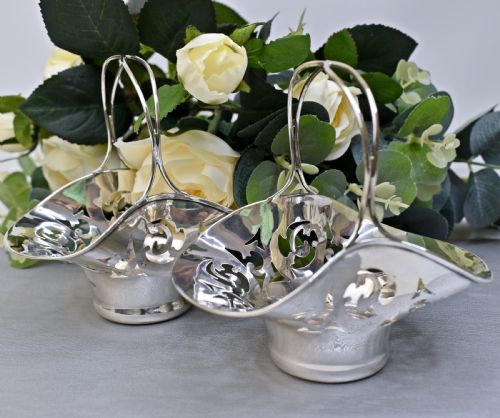
A solid silver bonbon dish brings together small tableware forms designed for serving sweets, nuts or small confections during the Georgian, Victorian, Edwardian and Art Deco periods. Buyers searching for a solid silver bonbon dish will encounter pieces ranging from simple pierced bowls to handled baskets and pedestal sweet bowls.
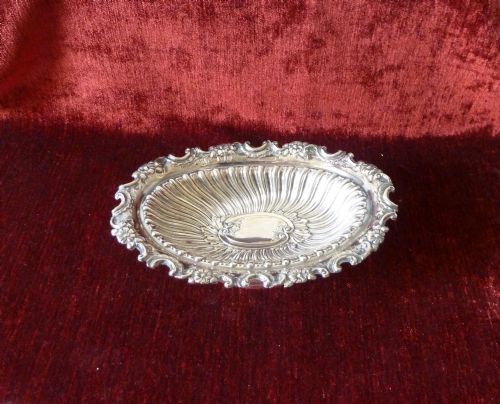
The selection includes items from the nineteenth and twentieth centuries, featuring British hallmarks from London, Sheffield and Birmingham alongside Chinese export silver. Forms span from circular trinket dishes and quaichs to oval serving dishes and swing-handled baskets.
Edwardian examples frequently show perforated lattice work, while Victorian pieces often display floral chasing or intricate wickerwork simulation. Interwar and Art Deco designs introduce clean geometric lines alongside traditional bowls.
How they were made
Silversmiths shaped these items using solid silver and sterling silver, occasionally applying silver gilt to the interior surfaces for a rich two-tone finish. Technique relied heavily on piercing, lattice work and embossing to create light, openwork structures without sacrificing the structural integrity of the dish.
Sheffield and London workshops utilised traditional hammering, chasing and casting methods to form feet, handles and rims. Pierced designs required careful hand-sawing or punching of metal sheets, whilst embossed detailing involved working the reverse of the silver to push decorative patterns outward.
Some Victorian examples mimic woven wickerwork so convincingly that one might momentarily mistake solid metal for a picnic basket.
What varies in quality
The standard of a solid silver bonbon dish depends on the crispness of the pierced lattice work and the depth of the chased or embossed detailing. Heavier gauge silver provides a more substantial feel in the hand, separating utilitarian vessels from lighter, purely decorative items.
Maker attribution and clear hallmarks contribute significantly to the standing of a piece, with recognised workshops demonstrating superior finishing on rims, feet and handles. The complexity of the design, such as intricate wickerwork or swing handles, reflects the skill invested by the silversmith.
Fenton Brothers·James Deakin and Sons·Martin Hall·Edward H Stockwell·William Comyns
The Solid Silver Bonbon Dish Glossary
- Bonbon dish
- A small open vessel designed specifically for holding sweets, bonbons or nuts on a table or sideboard.
- Pierced
- Metal that has been perforated or cut through in geometric or floral patterns to create a light, lace-like effect.
- Silver-gilt
- Solid silver that has been coated with a thin layer of gold on its surface, often seen on the interior of bowls.
- Quaich
- A traditional two-handled drinking vessel adapted in some instances into a shallow circular bowl form.
- Chasing
- A technique where metal is worked from the front with punches to depress the surface and raise low-relief designs.
Solid Silver Bonbon Dish: Frequently Asked Questions
What was a bonbon dish used for?
These dishes held small sugar-coated confections, nuts or mints served to guests during formal dining or drawing room gatherings.
They sat upon tables as decorative accessories where diners could help themselves between courses.
How do I identify an Edwardian silver dish?
Edwardian pieces date from nineteen hundred to nineteen ten, often displaying hallmarks from London, Sheffield or Birmingham alongside light lattice work.
Design motifs from this era frequently lean towards refined pierced patterns and delicate handles.
What is the difference between silver and sterling silver?
Sterling silver denotes an alloy containing ninety-two point five percent pure silver combined with other metals for durability.
Items simply marked as silver in older records typically adhere to this same British standard when accompanied by proper hallmarks.
How should I display a silver basket at home?
Small baskets and bowls suit placement on sideboards, coffee tables or within glass-fronted cabinets where light catches the polished metal.
Their open pierced designs look particularly striking when contrasted against dark wooden furniture surfaces.