


Small Silver Bowl
These small silver bowl pieces are compact table silver and decorative vessels crafted to catch the light, offering refined utility and period craftsmanship.
Small Silver Bowl
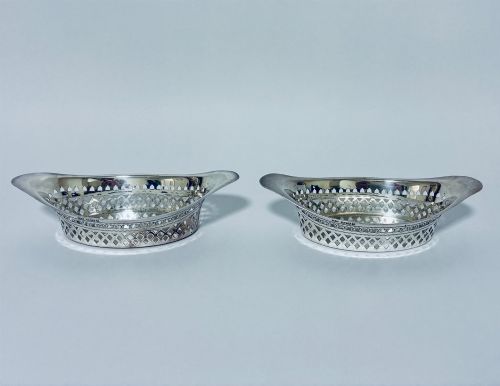
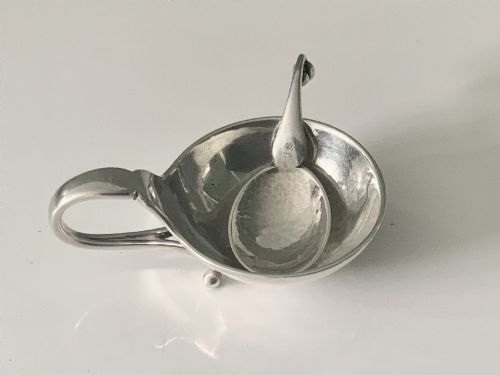
When you search for small silver bowl, you encounter a diverse range of domestic vessels spanning multiple centuries and stylistic revivals. The selection on this page encompasses Victorian, Edwardian, and twentieth-century examples, shifting from domestic sugar bowls and christening vessels to specialised trinket dishes and bonbon dishes.
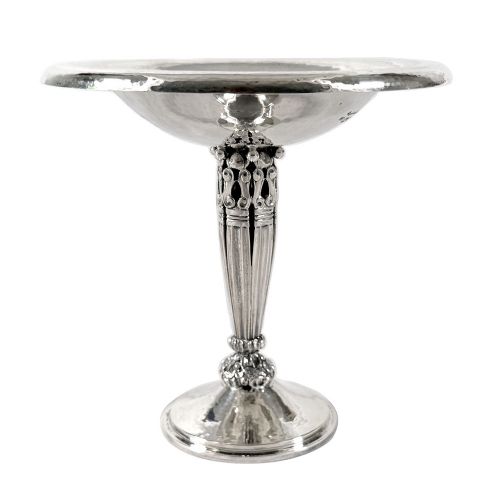
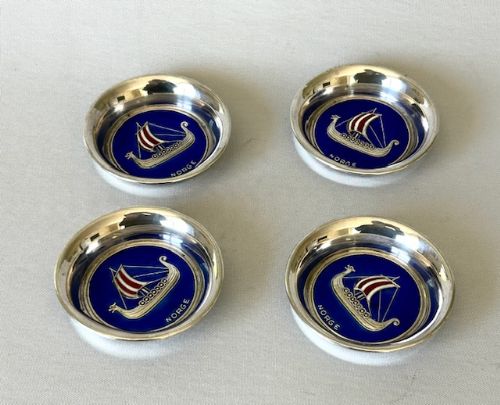
Domestic forms frequently appear alongside decorative varieties such as tazzas, rosebowls, and wine tasters. Regional and international variations emerge across the records, including Scandinavian modern items, German silver pieces, and traditional British hallmarked silver.
Buyers will regularly find matched pairs and individual serving pieces designed for specific household functions. These objects bridge the gap between ornamental display and functional tabletop utility.
How they were made
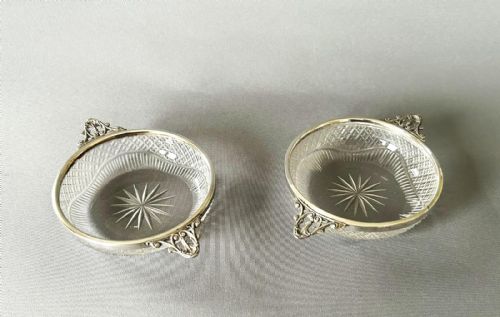
Metalsmiths utilised sterling silver, standard silver, and silver plate, often pairing the primary metal with contrasting materials. Cut glass inserts and colourful enamel work appear alongside traditional hammered finishes.
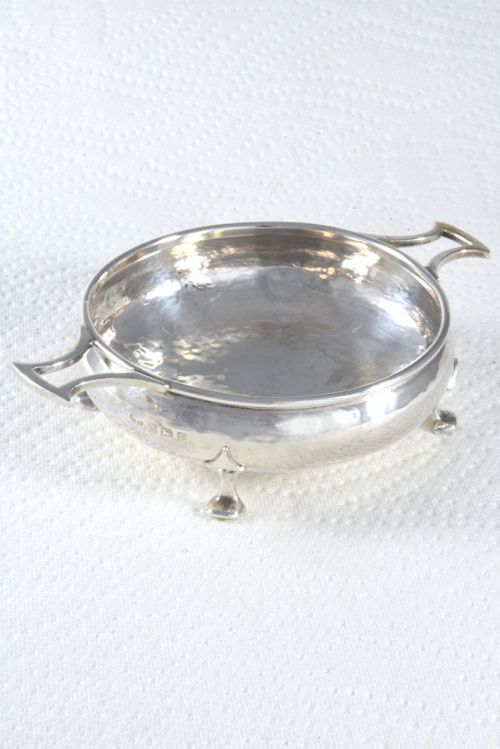
Construction techniques range from traditional hand-raised and hammered surfaces seen in Arts and Crafts examples to crisp geometric stamping from the Art Deco period. Gilding and cast decorative mounts frequently accent the main body of the vessel.
A tiny seventeenth-century porringer balances centuries of dining history at just twenty-one grams.
What varies in quality
Distinctions in quality often rest on the weight of the metal and the clarity of the maker marks. Substantial gauge silver and crisp, legible hallmarks distinguish higher-tier examples from lighter or unmarked pieces.
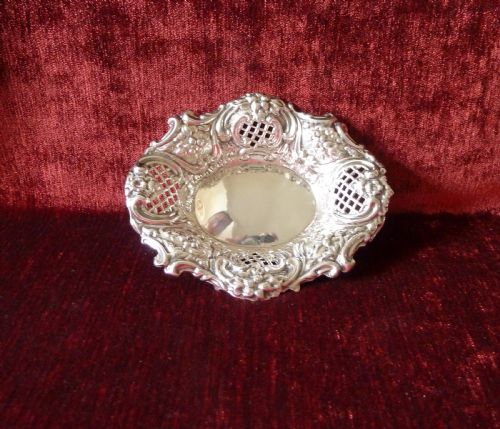
The sophistication of the ornamentation dictates the upper range of craftsmanship. Pierced work, hand-chased details, and undamaged enamel or cut glass demand greater technical skill than plain pressed metal.
Georg Jensen·Charles Boyton·Hamilton and Inches·Mappin and Webb·Marius Hammer
The Small Silver Bowl Glossary
- Bonbon dish
- A small, often footed or pierced vessel designed for holding sweets or confections. These pieces frequently feature decorative pierced rims.
- Porringer
- A small, two-handled bowl used historically for porridge or broth. Seventeenth-century examples typically display delicate repoussé decoration.
- Tazza
- A shallow bowl or cup mounted on a stem and foot, used for serving fruit or small items. This form elevates the display above the tabletop.
- Wine taster
- A small, shallow bowl equipped with handles or thumbpieces, used by merchants to sample wine. They often feature dimpled surfaces that reflect light to judge clarity.
- Monteith
- A large bowl featuring a scalloped, removable rim used to chill wine glasses. Miniature versions emulate this elaborate seventeenth-century silhouette.
Small Silver Bowl: Frequently Asked Questions
What were small silver bowls used for?
These vessels served various domestic and decorative purposes, ranging from holding sugar and christening water to presenting bonbons and small trinkets. Households deployed them across dining tables, sideboards, and dressing rooms.
Over time, their functions shifted according to changing social customs, moving from functional tableware to decorative display pieces and gift items for significant milestones.
How do I identify the period of a silver bowl?
Hallmarks stamped into the metal provide the most reliable indicator of age, revealing the assay office, date letter, and maker's mark. Comparing the decorative style, such as Art Nouveau floral motifs or geometric Art Deco lines, further clarifies the era.
Matching stylistic traits with established manufacturing periods helps date unmarked or foreign pieces where formal British punch marks are absent.
Are silver plated bowls collected alongside solid silver?
Silver plated items occupy a distinct category from sterling or standard solid silver pieces, appealing to collectors through their manufacturing history and design merit. Makers such as Hamilton and Inches produced high-quality plated wares that rival solid pieces in craftsmanship.
Identifying the base metal requires inspecting wear points for signs of the underlying alloy showing through the silver layer.
How should I care for antique silver bowls?
Maintenance involves gentle cleaning with appropriate silver polishes designed to preserve the patina without abrading the metal surface. Frequent handling transfers natural oils, making periodic washing in warm soapy water beneficial.
Storing pieces away from direct sunlight and humid environments prevents accelerated tarnishing and protects delicate additions like enamel or cut glass inserts.