
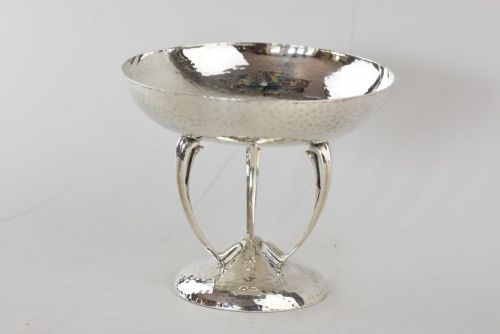


British Sterling Silver Bowl
A british sterling silver bowl brings weight and historic character to a room, carrying the distinctive hallmarks of centuries of British silversmithing.
British Sterling Silver Bowl
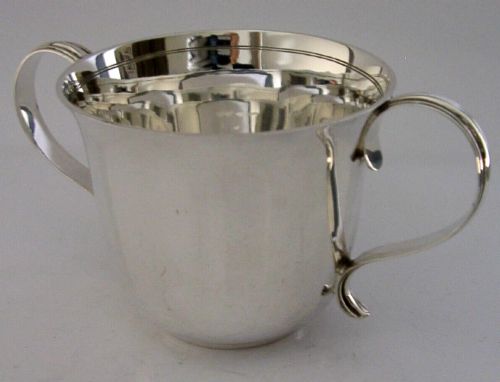
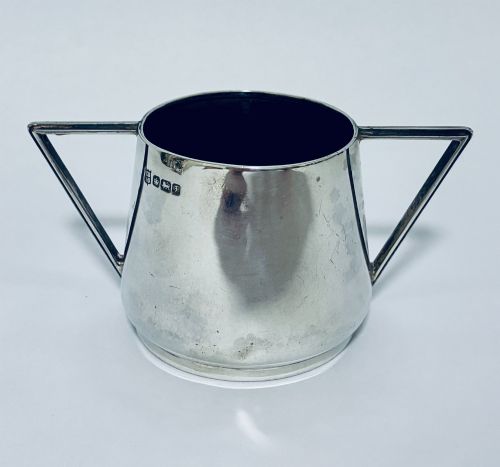
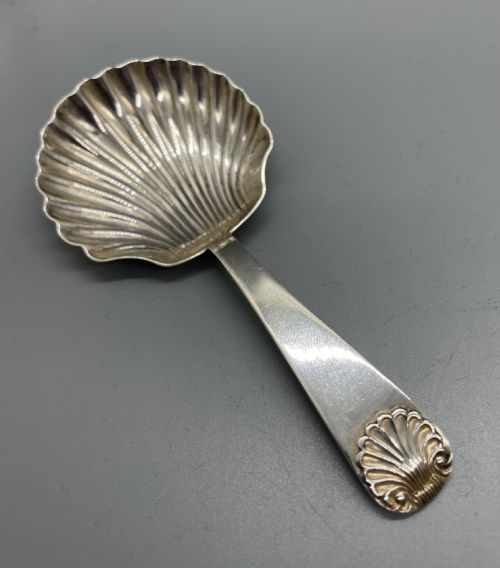
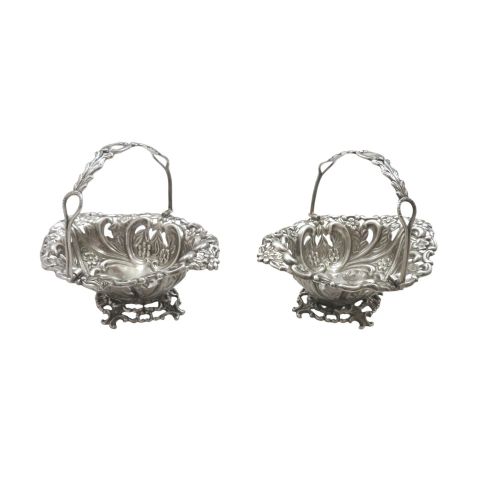
A british sterling silver bowl encompasses various forms ranging from compact sugar bowls and decorative baskets to substantial centrepiece vessels and porringers. These objects emerge from periods including the late seventeenth century, the Victorian era, and the Edwardian decades.
Buyers most frequently encounter Victorian and Edwardian examples on this page, alongside specific pieces from the 1920s and 1930s. Forms span from simple circular sugar bowls to ornate handled porringers and three-legged tazzas.
The selection reflects both domestic utility and decorative display, featuring items produced by notable silversmiths in London and Sheffield. Each piece bears the physical markers of its period of manufacture through hallmarking and traditional styling.
Materials and Techniques
Items in this category rely primarily on sterling silver and gilt silver, occasionally incorporating glass liners for dessert dishes and baskets. Metalsmiths utilised hammering and casting techniques to shape the vessels, as seen in Arts and Crafts pieces.
Silversmiths applied traditional marking practices, stamping pieces with town marks, date letters, and maker initials to certify metal purity. Surface treatments range from polished silver finishes to hammered textures and parcel-gilt highlights.
Listings span multiple centuries, ranging from seventeenth-century William III porringers to 1930s Art Deco dessert dishes with glass liners.
Evaluating Quality
The heaviness of the metal and the substantial weight of the piece often set finer examples apart from lighter domestic items. Superior craftsmanship appears in the crispness of chased details, the balance of handles, and the clarity of London or provincial hallmarks.
Design execution distinguishes standard production items from ambitious workshop creations, particularly in period pieces featuring hand-beaten surfaces or complex multi-part assemblies.
Goldsmiths and Silversmiths Company·Joseph Rodgers·Mappin and Webb·Viners·Lawrence Coles
The British Sterling Silver Bowl Glossary
- Sterling silver
- An alloy consisting of 92.5 percent silver and 7.5 percent other metals, typically copper, standardised by British law. This composition provides the necessary durability for functional vessels while maintaining a bright appearance.
- Porringer
- A small, shallow vessel with one or two flat horizontal handles, historically used for porridges or broths. Seventeenth-century examples often display intricate embossing.
- Tazza
- An ornate cup or trophy set on a high foot, frequently used as a decorative centerpiece or fruit dish. Arts and Crafts makers adapted this form with hammered textures.
- Hallmark
- An official stamp applied by an assay office to indicate the purity of the metal, the maker, and the year of production. British silver relies heavily on these stamps for verification.
- Gilt silver
- Silver that has been coated with a thin layer of gold on its surface, sometimes referred to as silver-gilt. This technique protects the interior of vessels used for sugar or food.
British Sterling Silver Bowl: Frequently Asked Questions
How do I date a silver bowl?
British silver typically bears a sequence of hallmarks that includes a date letter indicating the exact year of assay. Additional stamps show the leopard head or crown denoting the assay office.
Matching these punch marks against published assay records reveals the precise period of manufacture for Victorian, Edwardian, and earlier pieces.
Were these bowls used for sugar?
Many smaller nineteenth and twentieth-century vessels function specifically as sugar bowls or sugar baskets, often pairing with tea sets. Interiors sometimes feature gilt washing to prevent corrosion from the contents.
Larger forms served as centrepieces or dessert dishes rather than table sugar containers.
How should I clean sterling silver?
Cleaning requires gentle washing with warm soapy water and a soft cloth to remove everyday dust and tarnishing buildup. Avoid abrasive dips or harsh scrubbing that can wear away chased details or hallmarks.
Regular handling naturally slows down heavy tarnish accumulation on display pieces.