





Victorian Silver Pin Dish
These Victorian silver pin dish pieces are small, functional vessels designed for dressing tables, offering both charm and utility to the collector.
Victorian Silver Pin Dish
When you search for a victorian silver pin dish, you encounter small decorative vessels and trays originally intended for holding pins, trinkets, and small personal items on dressing tables. The items on this page span the Victorian and Edwardian periods, alongside a few pieces from adjacent decades like the 1930s and 1940s.
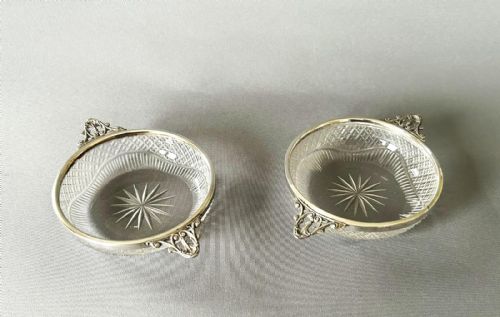
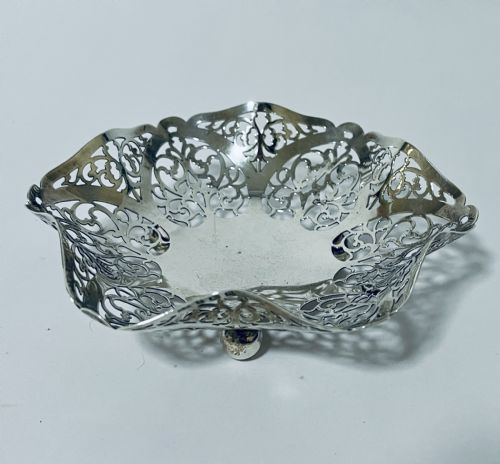
The forms vary from simple bowls and dishes to specific shapes such as hearts, leaves, and shells, as well as figural designs like Mr Punch. Buyers frequently find pairs and larger sets, including cased pairs and carved horn bowls with silver mounts.
Most examples originate from the latter half of the nineteenth century, bearing hallmarks from assay offices in London and Birmingham. These pieces function equally well today as small desk tidies or vanity accessories.
Judging the range
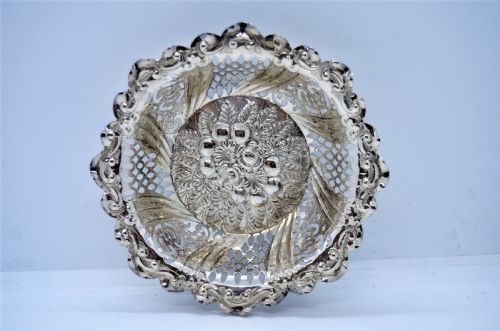
Quality in these small vessels rests on the crispness of the chasing, the weight of the silver, and the distinction of the maker. Pieces by notable makers or those featuring unusual figural subjects display superior hand-finishing and more complex silhouettes.
Condition of the secondary materials, such as clear cut glass or intact horn and velvet, influences the overall integrity of the piece. Matching pairs and cased sets generally represent a higher tier of production than individual items.
Listings feature items in silver, silver plate, cut glass, horn, and velvet across Victorian, Edwardian, and later twentieth-century periods.
William Comyns·James Hennell·William Padley·Atkin Brothers·Mappin & Webb
The Victorian Silver Pin Dish Glossary
- Hallmark
- Official marks stamped on precious metals indicating the standard of purity, the assay office, and the date letter. These marks provide the primary evidence for dating British silver.
- Chasing
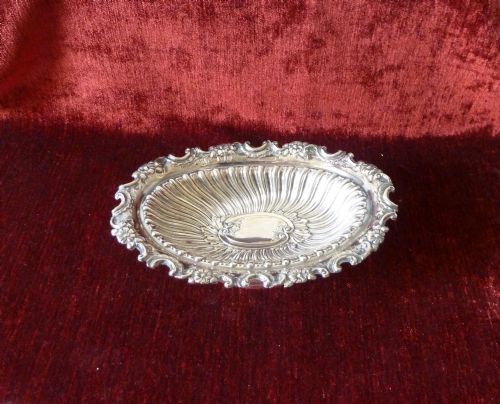
- A metalworking technique where the silversmith hammers a design into the front of the metal to create raised patterns without removing material. Floral chasing frequently decorates nineteenth-century trinket trays.
- Bonbon dish
- A small open bowl or dish traditionally used for holding sweets or small confectionery. These often share similar shallow forms with pin and jewellery dishes.
- Sterling silver
- An alloy of silver containing 92.5 percent pure silver and 7.5 percent other metals, usually copper. This standard is denoted by the lion passant hallmark on British pieces.
- Dressing table tray
- A larger vanity tray designed to hold a set of brushes, jars, and pin dishes. These larger items match the decorative style of smaller pin dishes.
Victorian Silver Pin Dish: Frequently Asked Questions
What is a pin dish used for?
These small dishes were placed on dressing tables to hold straight pins, brooches, and other small accessories during daily grooming. Today, they serve a similar purpose for organising small jewellery items on desks or vanity surfaces.
Their shallow design allows easy access to the contents while protecting delicate items from rolling away.
How do I date a silver dish?
Dating relies primarily on the stamped hallmarks, which include a date letter corresponding to the year the piece was assayed. Maker's marks and town marks also assist in narrowing down the period of production.
Style indicators, such as Victorian floral chasing or later Art Nouveau curves, provide additional contextual clues.
Are these pieces made of solid silver?
The listings include both solid sterling silver and silver plate, alongside pieces incorporating cut glass, horn, and velvet. Sterling silver items carry official hallmarks denoting their metal standard.
Inspect the physical stamps or listing details to confirm whether a piece is solid sterling or silver plated.
Can I use these dishes every day?
These durable silver and glass vessels tolerate daily use for holding small items like rings, coins, or pins. Regular handling requires only gentle cleaning to maintain the finish of the silver and associated materials.
Avoid abrasive cleaners that might damage the chased details or softer organic components like horn.