


English Hallmarked Silver Dish
An english hallmarked silver dish brings sterling metal and assay office marks together for domestic use.
English Hallmarked Silver Dish
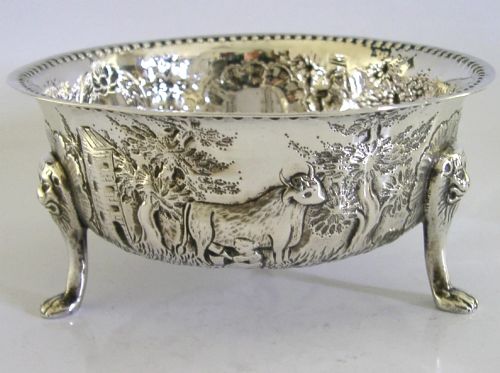
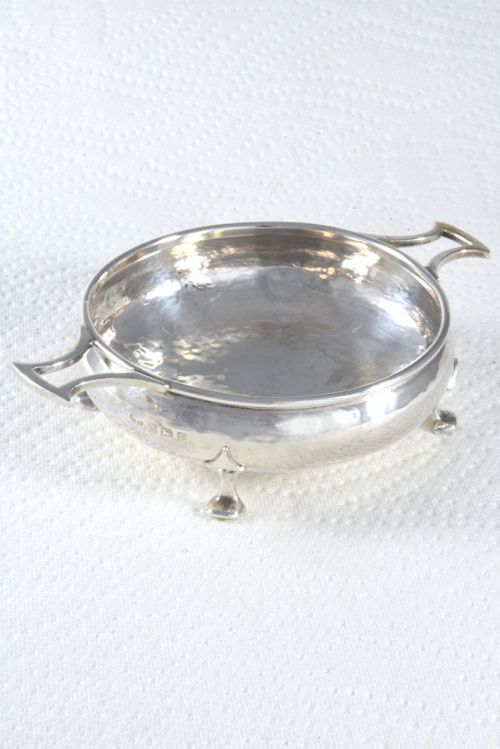
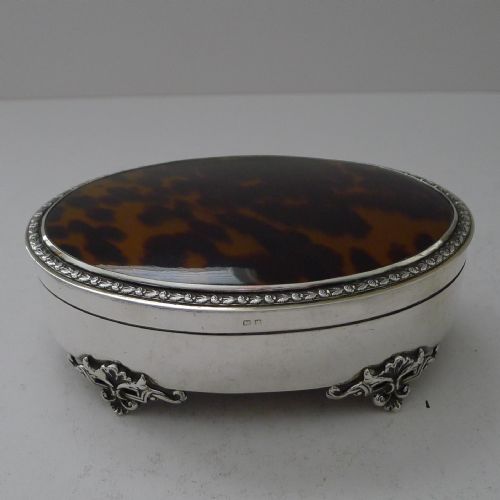
When you search for an english hallmarked silver dish, you encounter a variety of forms designed for functional and decorative domestic use. The selection encompasses trinket dishes, jewellery boxes, dressing table trays, pill boxes, ashtrays, baskets, decorative bowls, and entree dishes.
The pieces on this page span several distinct periods including the Victorian and Edwardian eras, alongside the 1910s, 1920s, 1930s, 1950s, and 1960s. Styles range from Art Nouveau and Art Deco to George V, Neoclassical Revival, and Mid-Century Modern.
Buyers are most likely to meet sterling silver and solid silver items, frequently paired with contrasting materials such as tortoiseshell, glass, and amethyst. These objects served utilitarian purposes on dressing tables, sideboards, and desks while displaying official hallmarks confirming their metal purity.
How they were made
Makers shaped sterling silver and solid silver through traditional smithing techniques, creating bowls, trays, and boxes suited to everyday household tasks. Articles frequently incorporate pierced metalwork, repoussé decoration, or clean modernist lines depending on the prevailing style.
Many items combine silver with organic or mineral elements, integrating panels of tortoiseshell, faceted amethyst stones, or fitted glass inserts. Assay office marks were then stamped directly into the metal to certify the standard of the silver.
Makers occasionally deployed trompe l'oeil techniques, forging solid silver into startlingly convincing cigars and ash.
What varies in quality
Quality in an english hallmarked silver dish depends on the weight of the metal and the crispness of the secondary materials and ornamentation. Substantial gauges of sterling silver provide structural integrity, while finely detailed repoussé motifs or well-fitted tortoiseshell panels demonstrate superior craftsmanship.
The distinctiveness of the design and the clarity of the assay office stamps further distinguish finer examples from standard production pieces. Works by notable makers or those incorporating unusual combinations of glass and amethyst stand apart through accomplished execution.
Theo Fennell·Adie Brothers
The English Hallmarked Silver Dish Glossary
- Hallmark
- An official stamp applied by an assay office to guarantee the fineness of precious metal. These marks typically include symbols for the maker, the metal standard, the assay office, and the year of testing.
- Sterling Silver
- An alloy of silver containing 92.5 percent pure silver and 7.5 percent other metals, usually copper. This composition provides the durability required for domestic tableware and decorative objects.
- Repoussé
- A metalworking technique where the artisan hammers the design from the reverse side to form raised relief patterns on the front. It appears frequently on Victorian and Edwardian decorative silver.
- Trompe L'Oeil
- An art technique that uses realistic imagery to create the optical illusion that the depicted object exists in three dimensions. In metalwork, this translates to silver fashioned to mimic entirely different materials or everyday items.
- Pot Pourri Basket
- An openwork or pierced basket designed to hold dried flower petals scented with spices. These vessels allowed fragrance to diffuse into Victorian and Edwardian rooms.
English Hallmarked Silver Dish: Frequently Asked Questions
What is an english hallmarked silver dish used for?
These pieces served practical functions in domestic interiors, holding small personal items like jewellery, pills, or visiting cards. Dressing table trays organised grooming accessories, while butter dishes and entree dishes appeared on dining tables.
Over time, many of these utilitarian silver items transitioned into purely decorative objects displayed in cabinets or on sideboards. Their solid silver construction ensures they remain robust enough for continued light use in the home.
How do I identify the date of my silver dish?
Dating relies on the set of punch marks known as hallmarks stamped into the metal by an official assay office. These include a specific date letter that corresponds to the year the piece was tested and entered into the registry.
Comparing the style against known design periods like Art Nouveau, Art Deco, or the Victorian era provides a reliable secondary guide. Maker's marks and town marks also help narrow down the exact period of manufacture.
What materials are paired with the silver?
Makers frequently combined solid sterling silver with contrasting natural materials to enhance the visual appeal of boxes and trays. Tortoiseshell panels appear beneath pierced silver lattices, adding warmth and rich brown tones to the metallic surface.
Other examples incorporate fitted glass containers or feature faceted amethyst stones set directly into the lids of pill boxes. These mixed-media pieces highlight the decorative versatility favoured by Edwardian and mid-century designers.
How should I clean my silver dish?
Cleaning requires a soft microfibre cloth and a reputable silver polish formulated to remove tarnish without abrading the metal surface. Care must be taken around applied elements like tortoiseshell or set stones such as amethyst, which can be damaged by harsh chemical dips.
Regular, gentle dusting and minimal polishing preserve the original finish and the clarity of the underlying hallmarks. Storing pieces away from direct sunlight and damp environments prevents rapid re-tarnishing.