

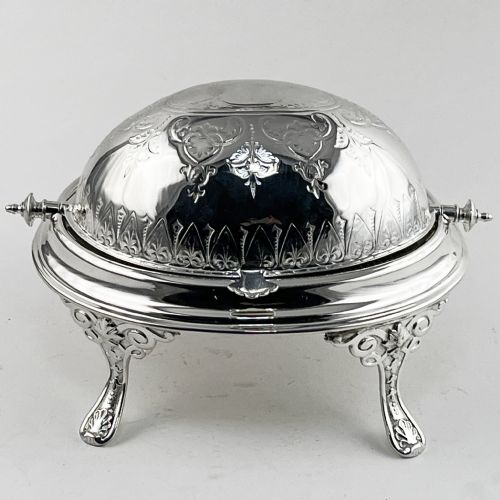


Vintage Silver Butter Dish
A vintage silver butter dish brings quiet grace to the breakfast table, combining practical tableware with the fine metalsmithing of past decades.
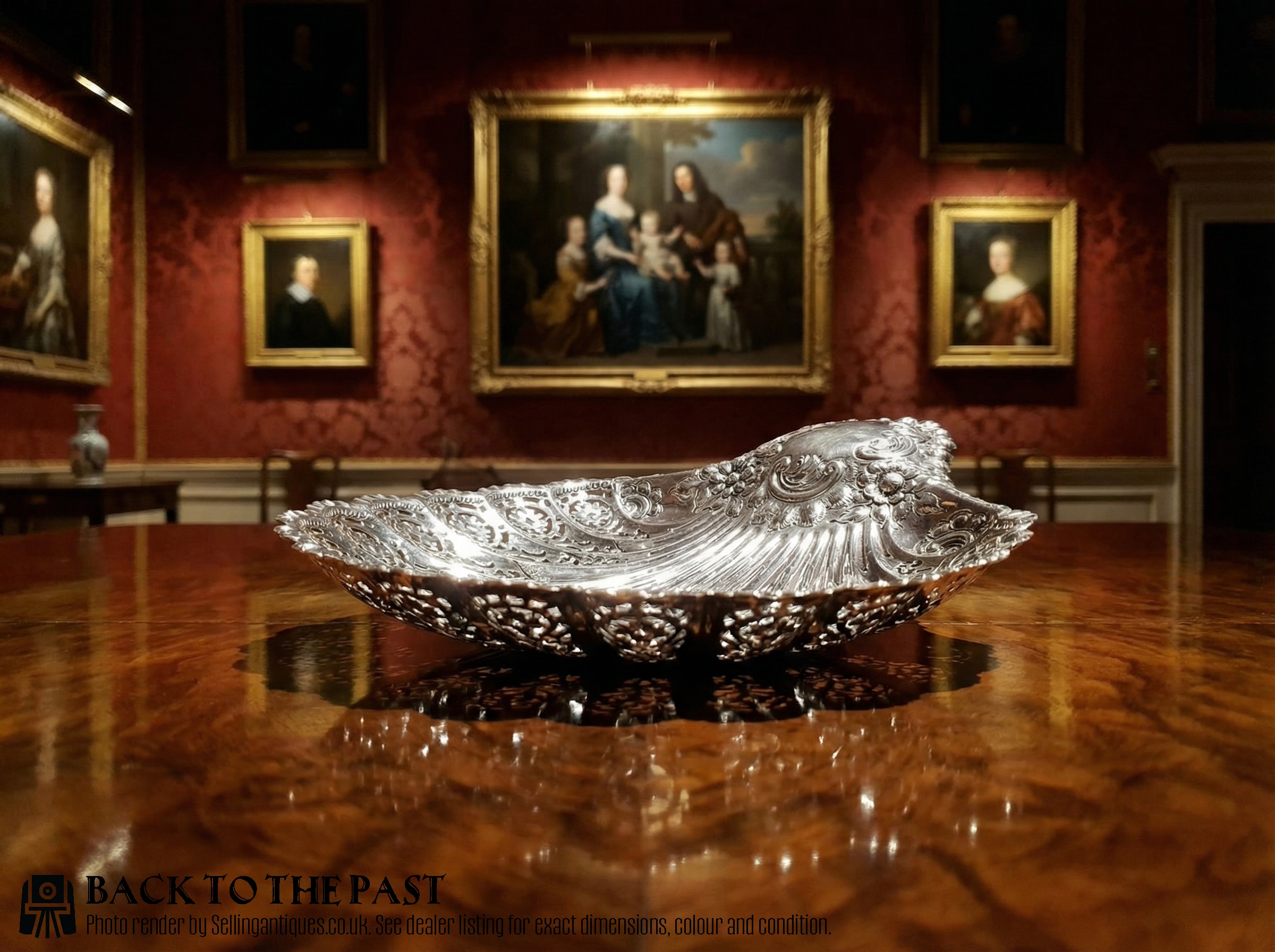
Vintage Silver Butter Dish
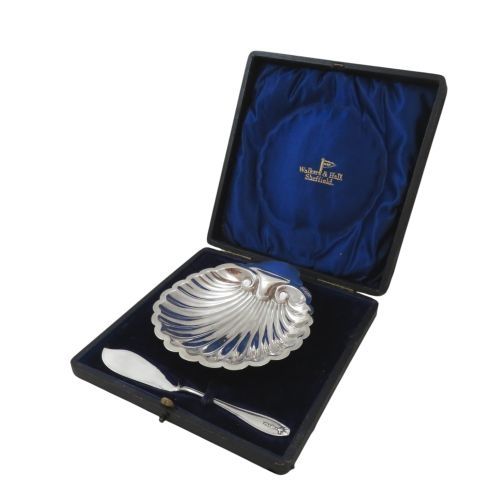
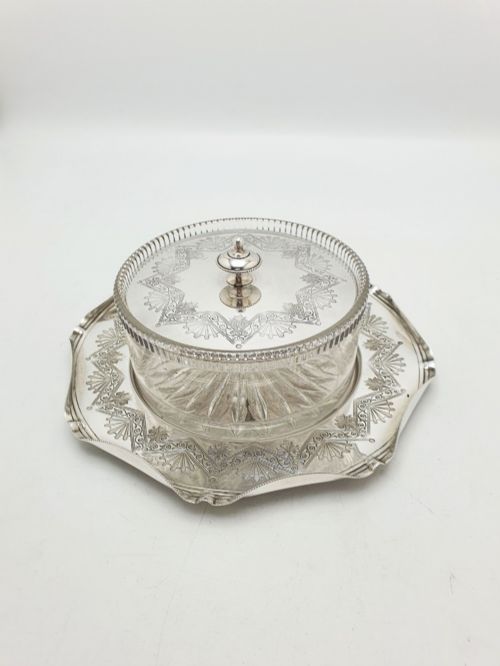
A vintage silver butter dish serves as a specialised container for butter at the table, taking forms such as lidded servers, open dishes with glass liners, and cased sets complete with dedicated knives. These pieces span the Victorian, Edwardian, Art Deco, and Mid-Century Modern periods, reflecting changing domestic habits across more than a century of dining.
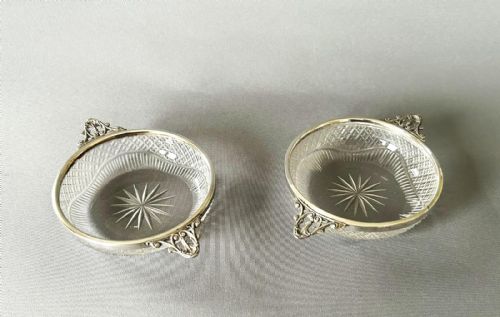
The most common examples on this page are Edwardian and Victorian silver plated designs featuring cut glass liners, alongside solid sterling silver pieces from makers such as Adie Brothers. Alongside traditional butter dishes, related serveware includes preserve dishes, bonbon dishes, and cheese covers that share the same decorative vocabulary.
Buyers choose a vintage silver butter dish both for daily table use and as a refined decorative accent on a sideboard. The survival of original glass inserts and fitted presentation cases often determines whether a piece retains its complete historical function.
How they were made
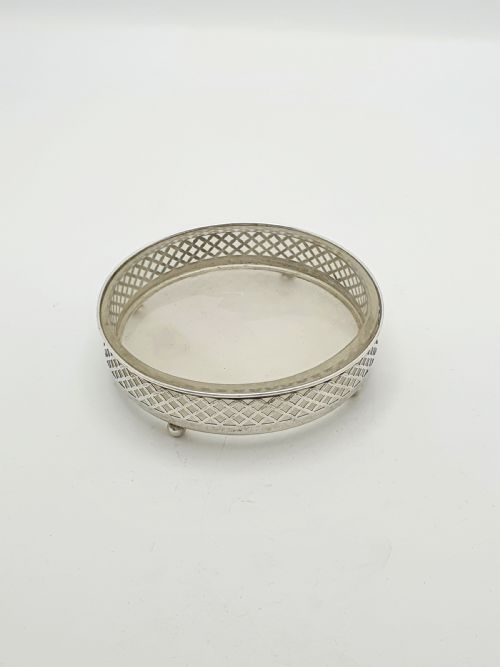
Silversmiths constructed these dishes using sterling silver or by applying a silver plate over a base metal, frequently pairing the metalwork with heavy cut glass or cobalt blue glass liners. Piercing, casting, and engraving were standard techniques used to decorate the rims, handles, and pierced galleries.
Fitted cases lined with silk, velvet, or leather housed higher-end sterling silver butter dishes, protecting the soft metal and any matching knives during storage. Revolving lidded mechanisms and hinged covers required precise mechanical skill from the workshops that produced them.
What varies in quality
Quality rests in the weight of the silver, the crispness of the chased or pierced ornamentation, and the integrity of any associated glass liner. Solid sterling silver commands greater value than silver plate, though heavy plating from established makers maintains substantial durability and visual appeal.
The presence of original fitted presentation cases and matching knives elevates a piece, as does the survival of undamaged cut glass inserts. Maker marks from prominent firms indicate higher standards of design and execution compared to unmarked commercial wares.
Goldsmiths & Silversmiths·Adie Brothers·Sporrong & Co
The Vintage Silver Butter Dish Glossary
- Silver Plate
- A layer of silver bonded to a base metal such as copper or nickel brass. This technique allowed Victorian and Edwardian manufacturers to produce affordable tableware with the appearance of solid silver.
- Sterling Silver
- An alloy consisting of ninety-two point five percent silver and seven point five percent other metals, usually copper. It provides the standard composition for British and American solid silver tableware.
- Glass Liner
- A removable insert made of clear or coloured glass that sits inside a metal dish to hold the butter or preserve. These liners protected the metal from acidic foods and made cleaning straightforward.
- Revolving Lidded Dish
- A serveware form featuring a roll-over or rotating cover that slides beneath the body of the dish when opened. This clever Victorian mechanism kept butter covered on the breakfast table.
- Pierce Work
- A decorative technique where patterns are cut directly through the sheet silver to create openwork galleries and borders. It lightened the appearance of the piece while displaying the glass liner beneath.
Vintage Silver Butter Dish: Frequently Asked Questions
How do I clean a vintage silver butter dish?
Use a specialised silver polishing cloth or a mild, non-abrasive silver cream to remove tarnish without scratching the surface. Avoid harsh chemical dips, especially on plated items or pieces with delicate glass liners.
Wash glass liners separately in warm soapy water and dry them thoroughly before replacing them in the metal dish. Regular, gentle cleaning preserves the chased detail and the underlying finish.
Can I still use these dishes for daily dining?
Many collectors and home cooks use these pieces regularly for butter, preserves, and small condiments at the table. Solid silver and sturdy silver plate withstand everyday use provided they receive proper hand washing.
Take care to avoid putting silver or fitted glass inserts into the dishwasher, as high heat and harsh detergents damage both the metal and the glass.
How do I identify the period of a silver dish?
Maker marks, town marks, and date letters stamped onto the silver provide the most reliable method for dating solid pieces. Reference books on British hallmarks match these stamps to specific years of production.
Stylistic clues such as Edwardian garland motifs, Victorian floral engraving, or Art Deco geometric lines also help assign an approximate decade when hallmarks are absent or worn.
Why do some butter dishes include glass liners?
Glass liners prevented salt and butter fats from corroding the silver or silver plate over time. They also provided a hygienic, washable surface that could be removed easily from the decorative metal frame.
Coloured glass liners, such as cobalt blue examples, added a vibrant decorative contrast beneath pierced silver galleries during the Victorian and Edwardian eras.