


Antique Cheese Dome
These antique cheese dome pieces are practical Victorian serveware designed to keep cheese fresh on the dining table.
What an antique cheese dome is
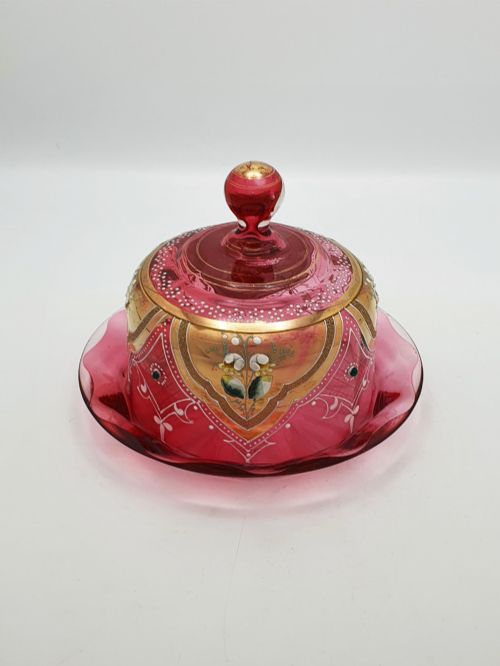
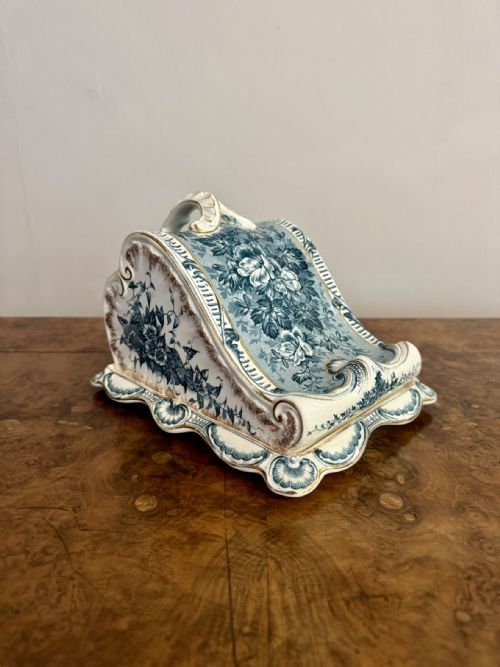
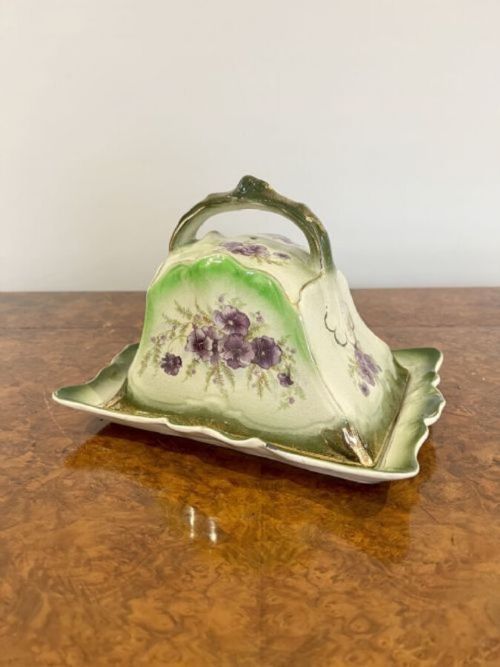
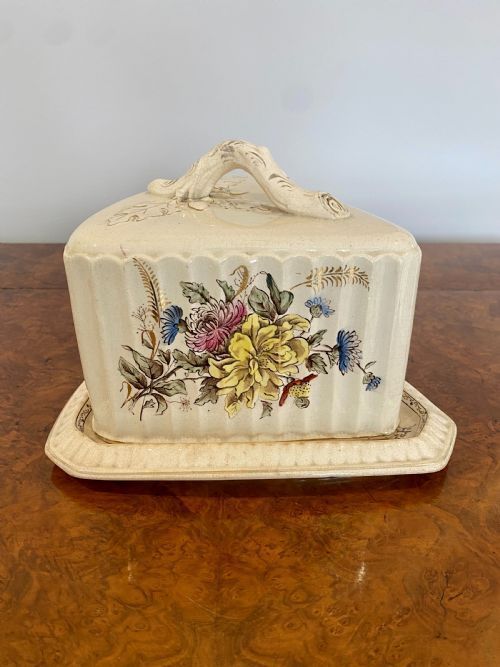
An antique cheese dome is a piece of serveware designed to store and present cheese at the dining table. The form typically consists of a fitted cover sitting upon a matching base plate or stand.
Most examples encountered here belong to the Victorian era and the surrounding decades of the late nineteenth and early twentieth centuries. These domestic pieces reflect the formal dining habits of the period.
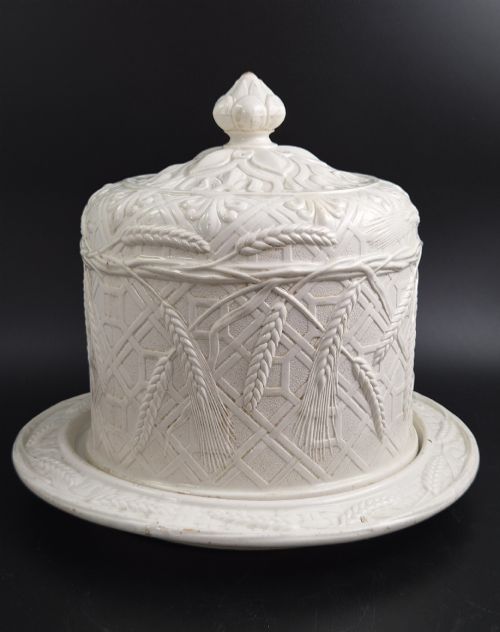
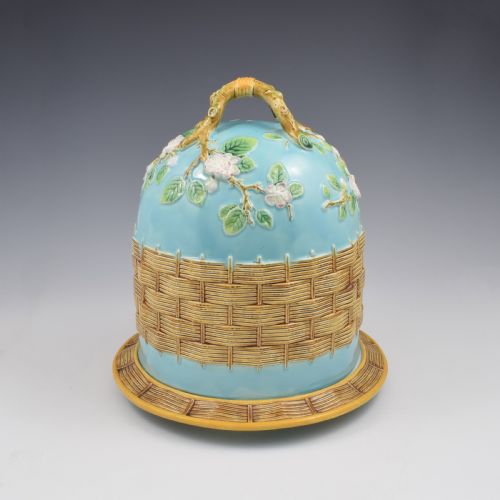
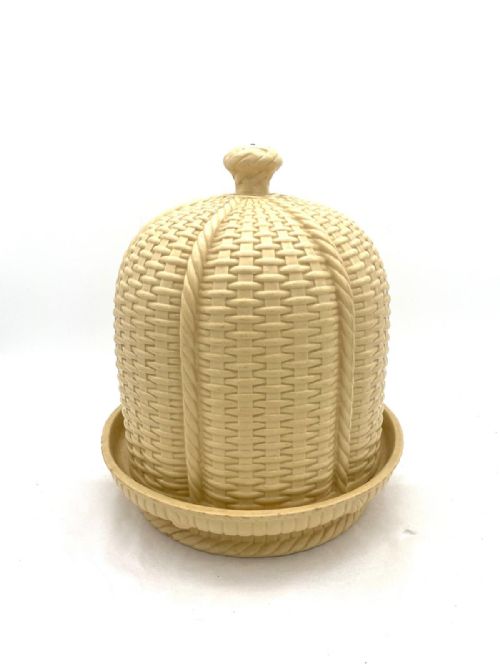
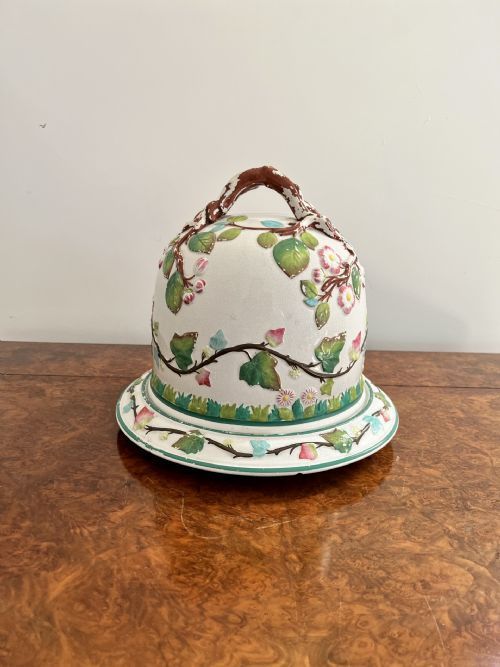
The assortment includes English pottery vessels, majolica wares, drabware pieces with basket weave textures, and combinations of silver plate and glass. Individual items range from standard household service pieces to large presentation dishes.
Materials and construction
Pottery examples employ ceramic, earthenware, and glazed finishes to form the heavy body and cover. Certain Victorian pieces utilise distinct decorative techniques such as majolica glaze or moulded basket weave patterns.
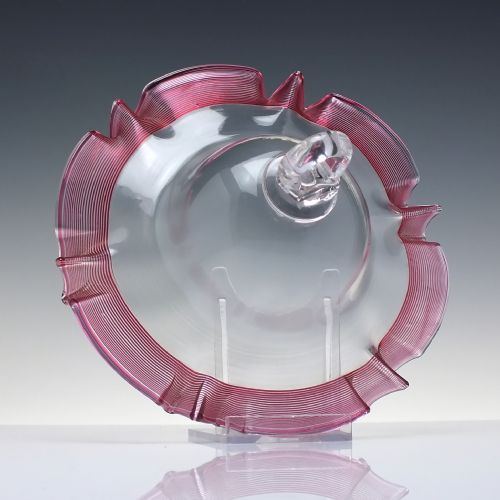
Alternative constructions combine cut glass domes with silver plate stands and mounts. These metal elements provide a secure frame and handle for the glass cover.
Retail Price Guide 2026
Typical UK retail prices for cheese dome, calculated from the Sellingantiques database of over a million retail prices indexed since 2003. This retail price guide relies exclusively on Sellingantiques data; no external sources or auction records are used, so the figures do not describe the wider market.
Listings feature ceramics, glass, and silver plate from the nineteenth and early twentieth centuries.
Judging the quality
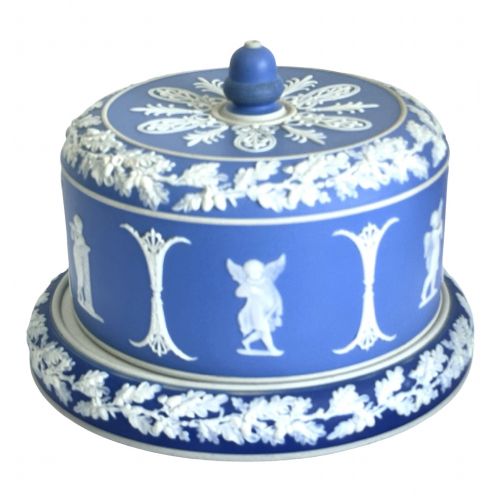
Quality in these domes rests on the crispness of the moulded detail, whether in the basket weave of drabware or the relief of majolica and jasper ware. Softer glazes or worn metal plating distinguish standard utility domestic items from finer table service.
The integration between cover and base indicates the standard of manufacture. Well-fitted elements and substantial ceramic or glass weight separate robust examples from lighter production.
Wedgwood
The Antique Cheese Dome Glossary
- Drabware
- A type of ceramic body coloured in muted greyish-brown or olive drab tones, popular in the nineteenth century. It frequently appears with moulded surface decoration such as basket weave.
- Majolica
- A colourful lead-glazed earthenware characterised by vibrant, glossy tones and moulded relief decoration. Victorian potteries produced domestic serving vessels in this distinctive style.
- Jasper Ware
- A fine stoneware developed by Wedgwood, notable for its unglazed matte surface and contrasting raised white cameo reliefs against a coloured ground. It provides a striking aesthetic for display pieces.
- Silver Plate
- A base metal coated with a thin layer of silver, utilised for the stands and mounts of combination glass dishes. This technique offered the appearance of solid silver for formal dining wares.
- Serveware
- Functional items intended for presenting food at the dining table rather than cooking it in the kitchen. Cheese dishes and domes fall squarely into this category of domestic hospitality.
Frequently Asked Questions
What is an antique cheese dome used for?
These domes served as practical table vessels to keep cheese fresh and contained during Victorian meals. The heavy cover trapped moisture and protected the block from airborne dust.
Hosts brought them out during the dining or dessert course. Guests lifted the cover at the table to slice portions directly from the base plate.
How do I date a cheese dome?
Dating relies on the materials, manufacturing style, and recorded period markers such as Victorian aesthetics. Earthenware, majolica glazes, and drabware point toward nineteenth-century production.
Later pieces from around nineteen hundred often incorporate cut glass and silver plate. Comparing the weight of the ceramic and the style of the base helps narrow the decade.
Are glass and ceramic domes different?
Ceramic domes are opaque and often feature decorative glazes like majolica or moulded textures like basket weave. They conceal the cheese entirely from view until lifted.
Glass domes paired with silver plate reveal the contents while resting on the stand. Both materials served the same dining purpose but offered different visual effects on the table.
How do I care for these domes?
Wash ceramic and glass components gently by hand using mild soap and warm water. Avoid harsh scrubbing brushes that might scratch the glaze or delicate glass surfaces.
Keep silver plated parts dry and polish them sparingly with appropriate metal care cloths. Store the heavy cover securely on its matching base to prevent accidental chips.