


Victorian Pottery Cheese Dome
A victorian pottery cheese dome brings remarkable nineteenth century craft to the dining table, offering both decorative presence and practical service.
Victorian Pottery Cheese Dome
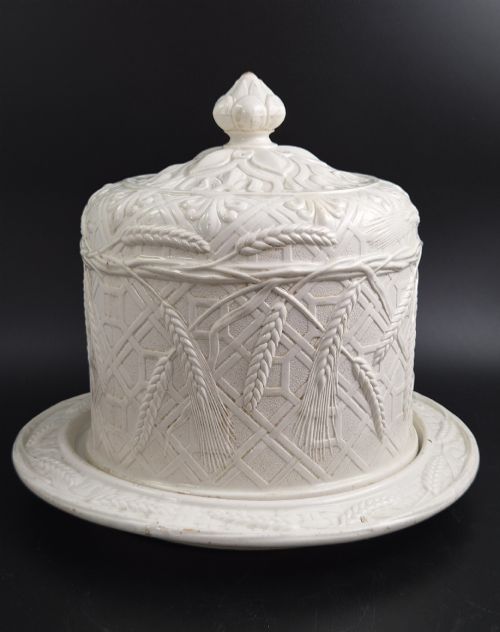
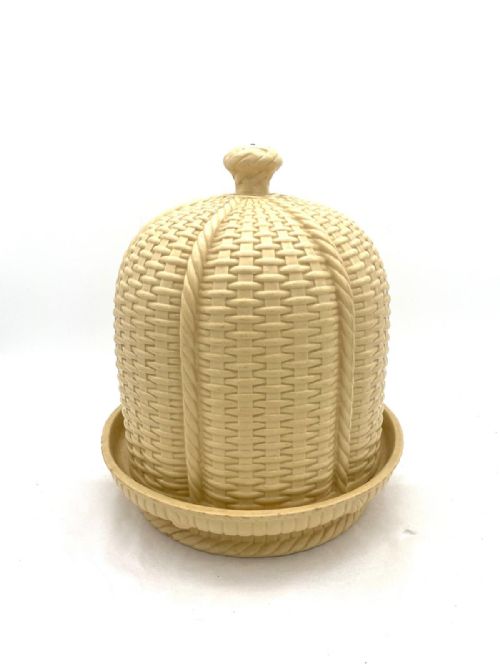
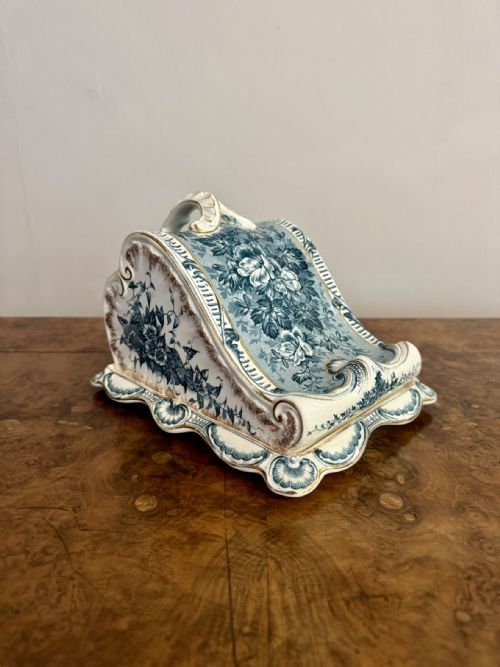
A victorian pottery cheese dome serves as a substantial cover paired with a matching base, designed to keep cheese fresh on the dining table. These pieces emerge predominantly from the nineteenth century, reflecting an era when elaborate dining rituals flourished in British homes.
The selections available here showcase notable variety, spanning simple utilitarian earthenware to richly coloured glazed surfaces. Buyers will encounter robust ironstone, distinctive drabware, and sculptural jasperware alongside colourful lead-glazed varieties.
Most examples date from the latter half of the nineteenth century, including specific pieces recorded around eighteen eighty. These items combine a fitted cover with a circular stand, creating a commanding centrepiece for any table setting.
Materials and methods of production
Potters utilised durable earthenware, ironstone, and stoneware bodies to form the heavy bases and tall domes required for cheese storage. These dense ceramic pastes provided the necessary weight and structural strength to withstand daily domestic use in the Victorian kitchen and dining room.
Surface decoration relied heavily on coloured glaze, moulding techniques, and applied ornamentation to create textured finishes. Makers employed basket weave patterns, raised wheat and lattice motifs, or oriental pagoda designs directly into the clay body before firing.
A cheese dome ensures your Cheddar sits in nineteenth-century architectural splendour.
Distinctions in quality and finish
The standard of modelling and crispness of relief decoration fundamentally separates finer examples from simpler utilitarian wares. Sharp definition in moulded elements like basket weave or classical figures indicates superior skill during the initial pressing stage.
Glaze application and colour richness also define the upper tier of these pieces, particularly in brightly hued Majolica or crisp white ironstone. Even application without pooling or crawling demonstrates greater control in the kiln.
James Dudson·Masons Ironstone China
The Victorian Pottery Cheese Dome Glossary
- Ironstone
- A dense, durable type of earthenware patented in the nineteenth century to rival imported porcelain. It offers high resistance to chipping and provides a bright white ground for printed or moulded decoration.
- Jasperware
- A fine-grained, unglazed stoneware developed with metallic oxides to produce characteristic coloured bodies, usually contrasting with white applied reliefs. This ceramic technique gained immense popularity during the Victorian period for decorative serving vessels.
- Drabware
- A ceramic body coloured in muted shades of grey-brown, olive, or beige, widely utilised during the nineteenth century. Its subdued tone allowed moulded textures to provide the primary visual interest.
- Majolica
- A term for earthenware covered with an opaque tin glaze and painted with metallic oxide colours that fuse during firing. This technique yields vibrant greens, browns, and blues with a glossy finish.
- Cheese bell
- An alternative term for a cheese dome, describing the bell-shaped cover that lifts from the flat ceramic stand. The curved profile helps direct the hand when removing the cover from the table.
Victorian Pottery Cheese Dome: Frequently Asked Questions
What is a cheese dome used for?
These ceramic covers kept hard cheeses moist and protected them from insects in the days before domestic refrigeration. Placed upon the dining table during the final course, they offered a practical method of preservation while containing strong aromas.
The matching stand caught crumbs and provided a stable platform for slicing the cheese at the table. Victorian households relied on these heavy ceramic pieces for daily hospitality and formal dining alike.
How do I care for my cheese dome?
Wash the ceramic pieces gently by hand using warm water and mild soap, avoiding harsh abrasive pads that might scratch the glaze. Thorough drying prevents moisture retention in unglazed or older earthenware bodies.
Store the cover and base separately or place a soft cloth between them to prevent chipping the rim during handling. Regular gentle cleaning preserves the historic glaze and surface decoration.
How can I tell the period?
Examine the weight of the ceramic body, the manufacturing characteristics of the base, and the style of any moulded decoration. Nineteenth century pieces often display specific potting techniques, such as heavy ironstone or distinct glaze formulations characteristic of Victorian kilns.
Reference marks, shape numbers, or patterns recorded in historical pottery archives help confirm the decade of production. Stylistic cues like Victorian Chinoiserie or classical revival motifs further narrow the manufacturing window.
Can I use it for food today?
Most antique pieces remain safe for serving hard cheeses provided the glaze is intact and free from extensive cracking. Historic ceramics require careful handling to avoid thermal shock or accidental impact against modern countertops.
Inspect the interior surfaces for cleanliness and ensure no severe staining compromises the utility of the ceramic before serving food. Many collectors choose to use them for display or occasional dining rather than daily service.