


Antique Cheese Bell
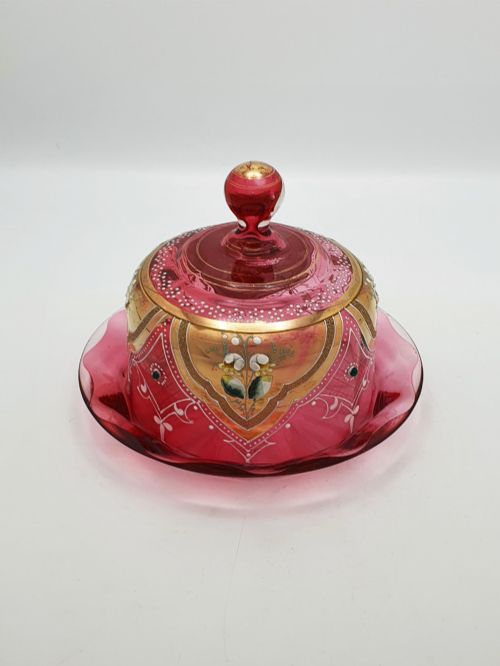
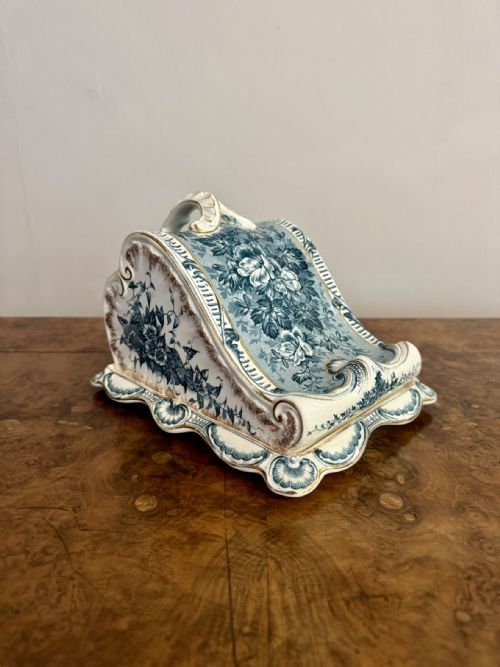
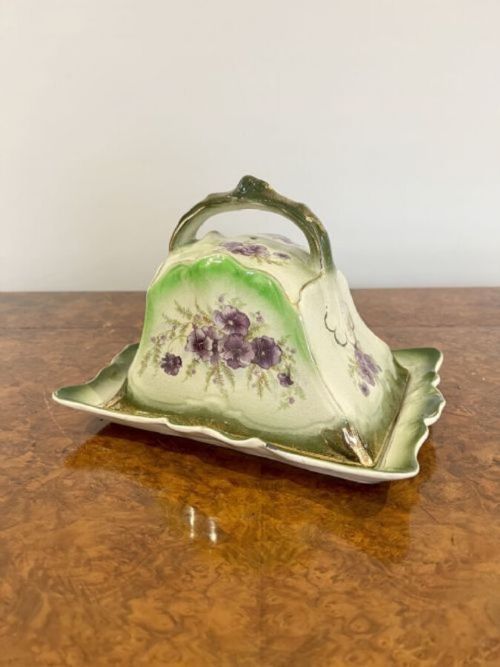
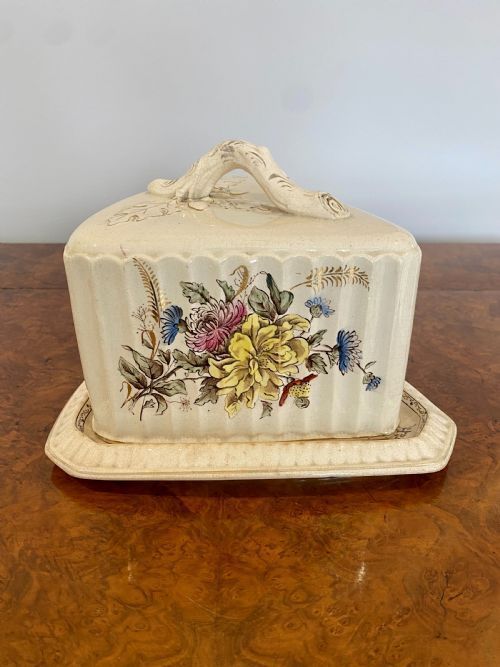
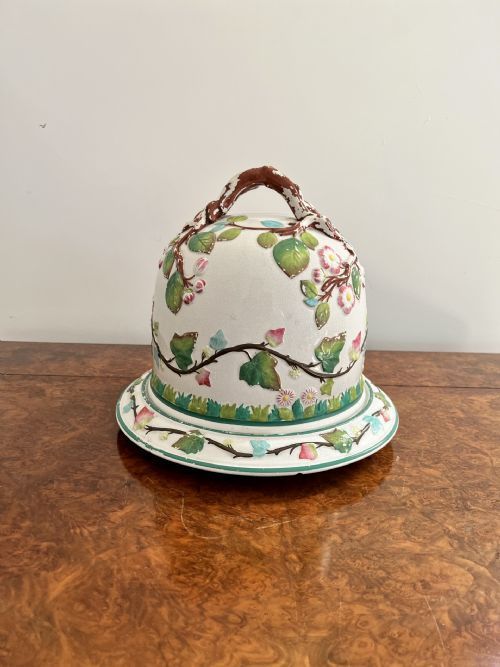
An antique cheese bell brings proper nineteenth-century function to the table, offering a glazed ceramic dome that keeps a Stilton or cheddar fresh.
What an antique cheese bell is
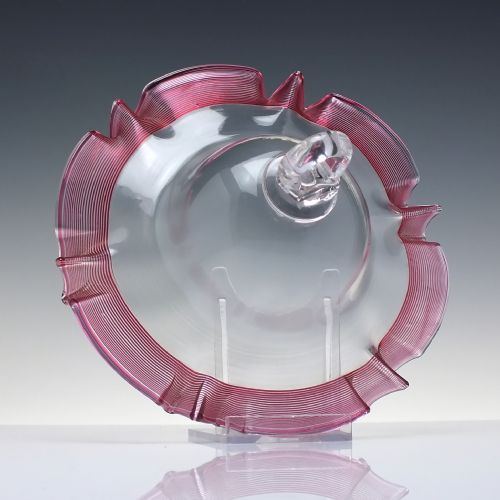
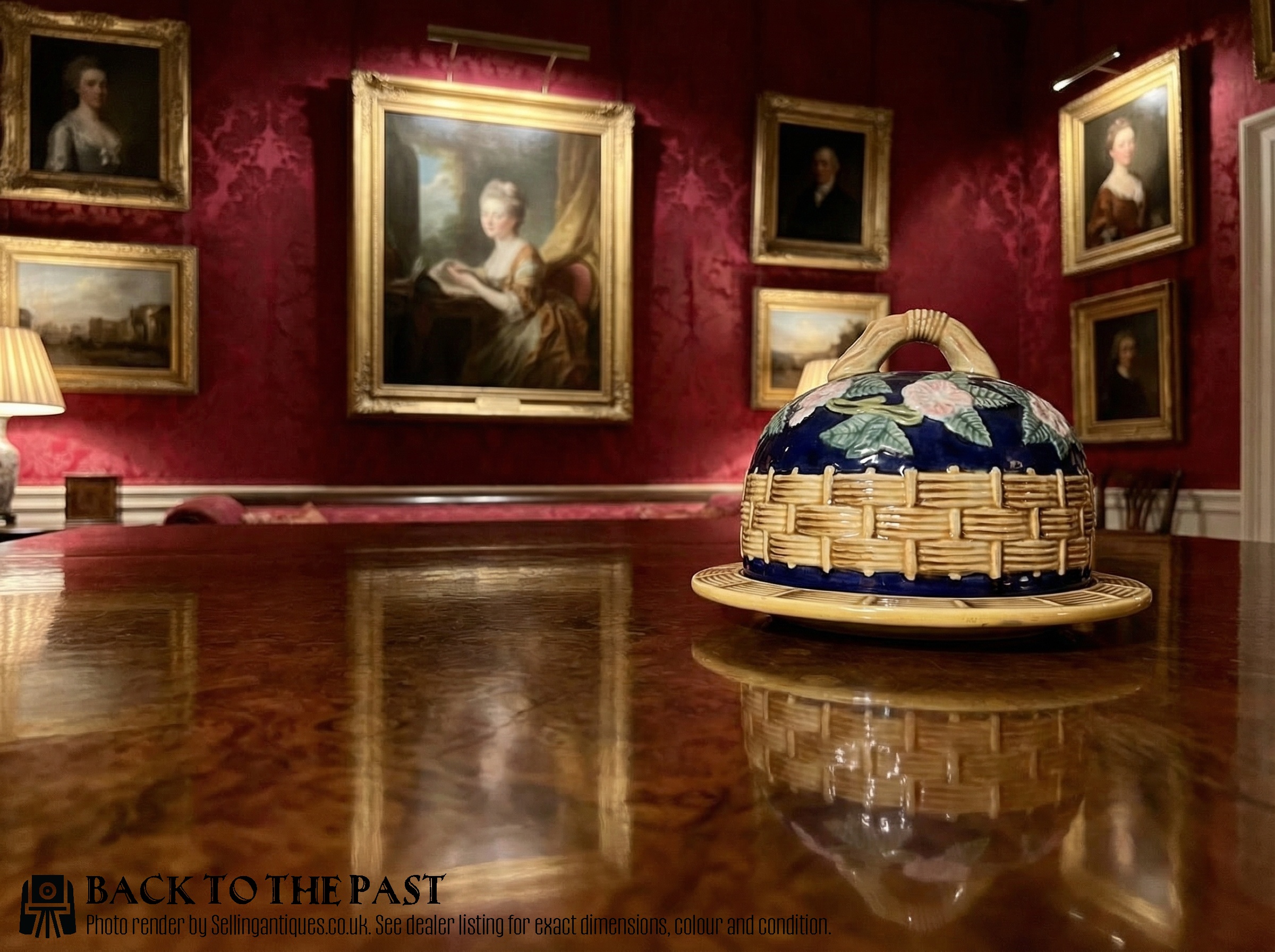
When you search for an antique cheese bell, you are looking at nineteenth-century serveware designed specifically to protect and present cheese at the dining table. These pieces typically comprise a fitted ceramic cover, often called a dome, paired with an accompanying matching stand or plate.
On this page, the pieces you are most likely to meet date from the Victorian era, spanning the decades between eighteen-sixty and nineteen-twenty. They appear in styles ranging from plain white ironstone to colourful majolica, reflecting the formal dining habits of the period.
How they were made
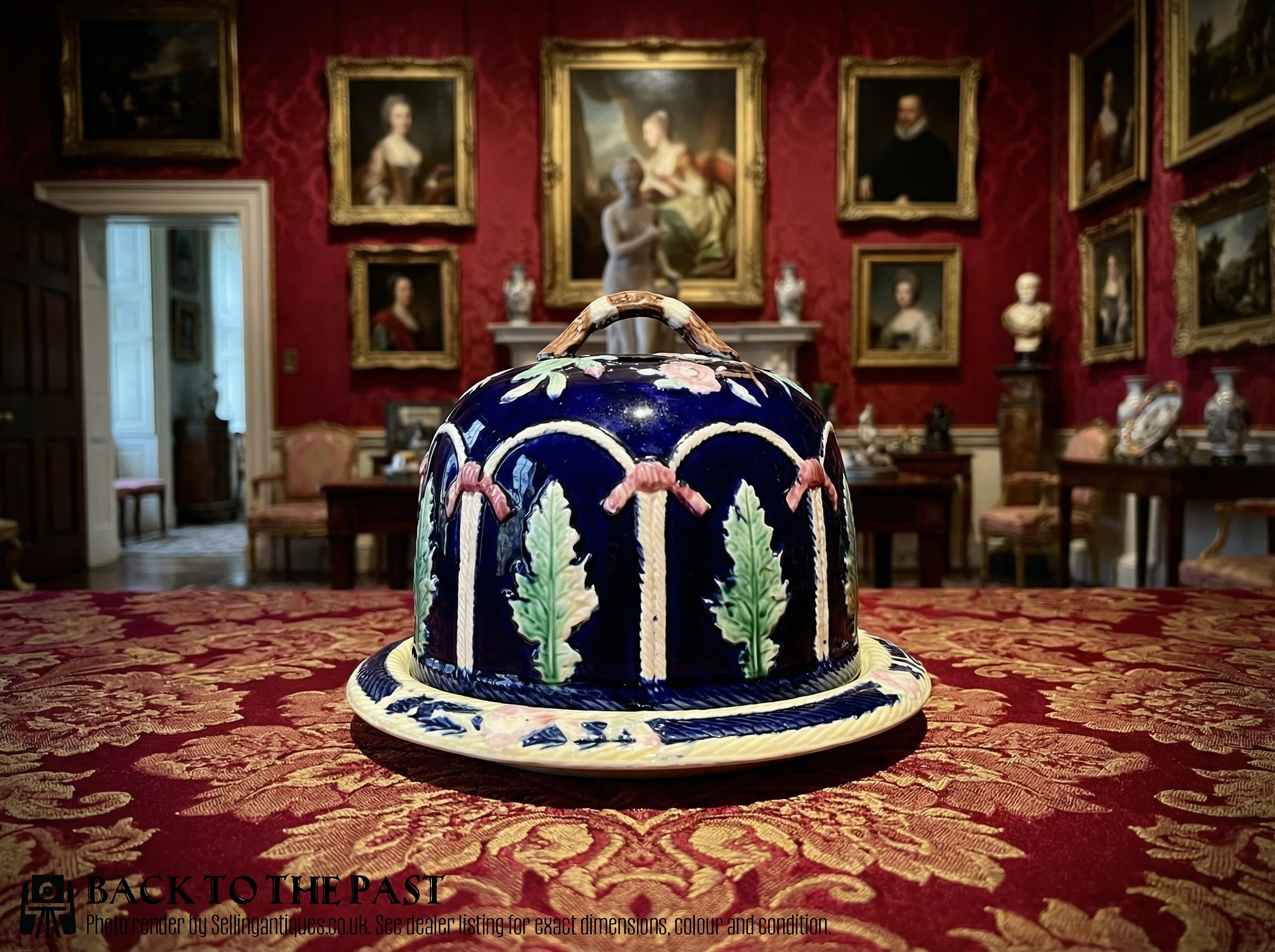
These pieces are constructed from ceramic bodies, predominantly earthenware and heavy white ironstone, shaped to form deep bases and substantial domed covers. Potters applied coloured glazes to achieve the vibrant tones seen on majolica examples, sometimes adding delicate touches of gold leaf or gilt for decoration.
Metal components also appear, notably in silver plate mounts that frame the ceramic elements or provide secure handles for lifting the heavy covers. Every piece relies on traditional pottery techniques from the nineteenth century, combining moulded clay with hand-finished decorative details.
Retail Price Guide 2026
Typical UK retail prices for cheese bell, calculated from the Sellingantiques database of over a million retail prices indexed since 2003. This retail price guide relies exclusively on Sellingantiques data; no external sources or auction records are used, so the figures do not describe the wider market.
Many a Victorian cook must have cursed the weight of these heavy ceramic domes after carrying them back and forth from the pantry.
What varies in quality
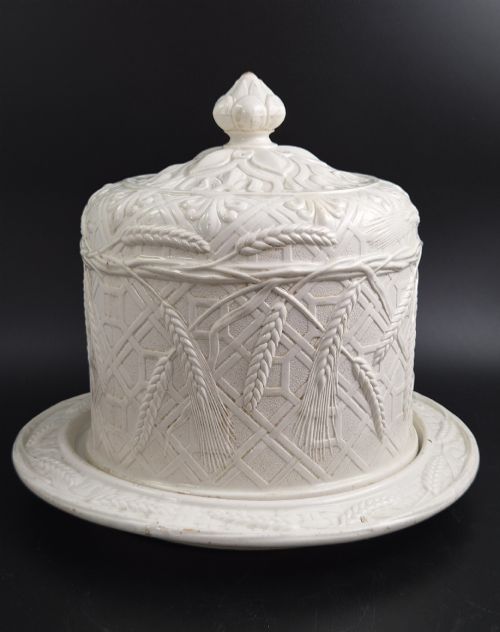
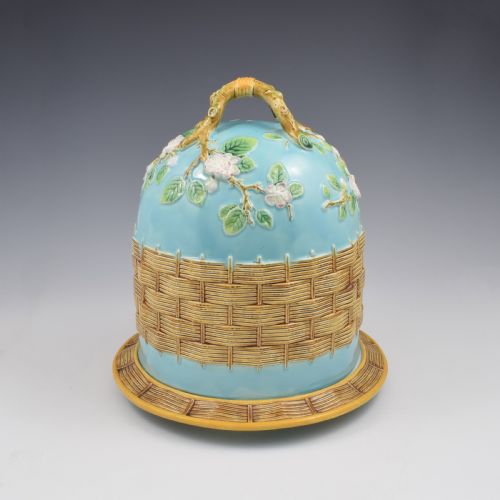
The distinction between ordinary and superior pieces rests entirely on the ambition of the modelling and the crispness of the applied decoration. Heavily ornamented majolica with apple blossom motifs or detailed wheat and lattice patterns represents a higher order of nineteenth-century ceramic production than plain utility wares.
Weight and balance also define the better examples, where the heavy earthenware dome sits securely upon its matching stand without wobble. The depth of the glaze and the preservation of any gilt or silver-plated highlights complete the measure of quality across these domestic objects.
George Jones·Copeland
The Antique Cheese Bell Glossary
- Cheese Dome
- The removable cover that fits over the base to protect the cheese from air and insects. This heavy ceramic element forms the visual centrepiece of the set.
- Ironstone
- A dense, durable type of earthenware patented in the nineteenth century for hard-wearing domestic use. It provides a sturdy white body that resists chipping.
- Serveware
- Functional tableware designed to present food at the dining table rather than for cooking or individual dining. Cheese bells sit firmly within this category of nineteenth-century hospitality.
- Silver Plate
- A thin layer of silver fused to a base metal, commonly utilised on nineteenth-century mounts and handles to give the appearance of solid silver.
Frequently Asked Questions
What is an antique cheese bell?
An antique cheese bell is a covered ceramic dish designed in the nineteenth century to store and serve large cheeses like Stilton or cheddar at the dining table.
The dome traps moisture and protects the cheese, while the matching base collects crumbs and provides a stable platform for serving guests.
How were cheese bells used?
Victorian households utilised these dishes at the conclusion of a formal meal when cheese was presented as a distinct course before dessert.
The heavy cover was lifted by a handle or knob only when cutting a slice, keeping the remaining cheese fresh for future meals.
How do I date a cheese bell?
Dating relies on stylistic clues such as the bright glazes of Victorian majolica or the crisp relief moulding found on mid-nineteenth-century white ironstone.
Pottery marks stamped underneath the base often provide specific manufacturer details, while the overall weight points towards the production methods of the eighteen-sixties to the nineteen-twenties.
How do I care for my piece?
Wash the ceramic dome and stand by hand using warm water and mild soap, avoiding harsh scrubbing that might damage antique glazes or gilt highlights.
Keep metal silver-plated mounts dry and polished lightly with a soft cloth to preserve the finish without wearing away the historic plating.