


Antique Ceramic Cheese Keeper
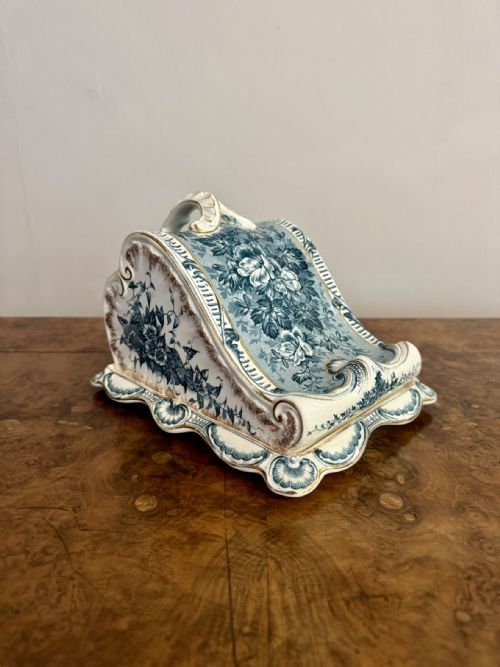
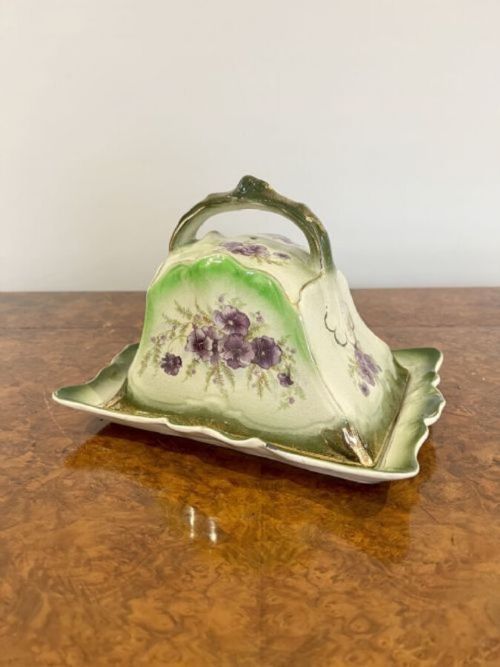
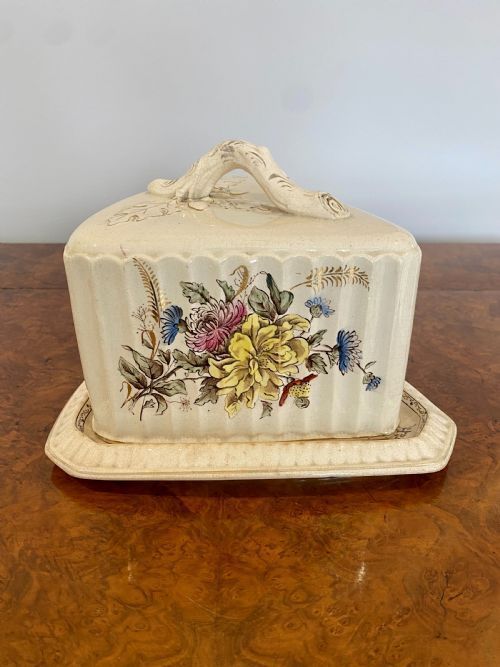
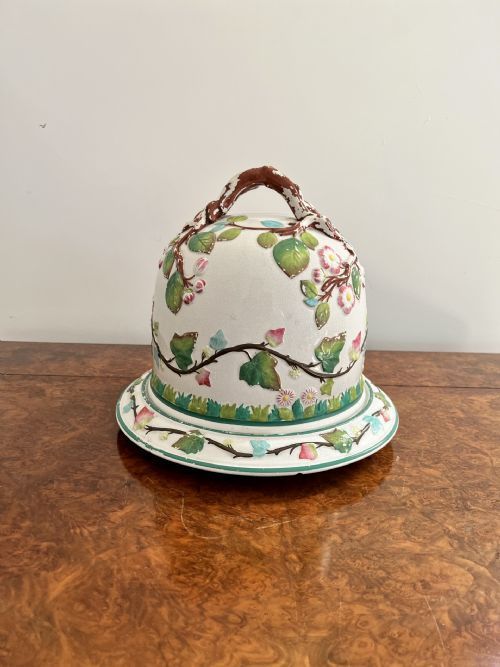
An antique ceramic cheese keeper protects the table from pungent rinds while keeping the paste moist, taking the form of a domed cover and matching stand.
Antique Ceramic Cheese Keeper
An antique ceramic cheese keeper is a dedicated domestic vessel designed to store and serve cheese at the dining table. These pieces comprise a domed cover paired with a flat stand or plate beneath.
The versions most commonly met across these listings belong to the Victorian era, spanning earthenware, stoneware, ironstone, and majolica bodies. Many take the form of large cheese domes or Stilton keepers intended for communal dining.
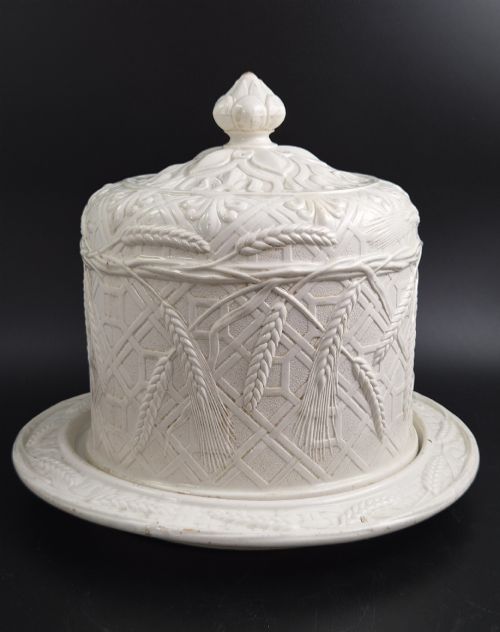
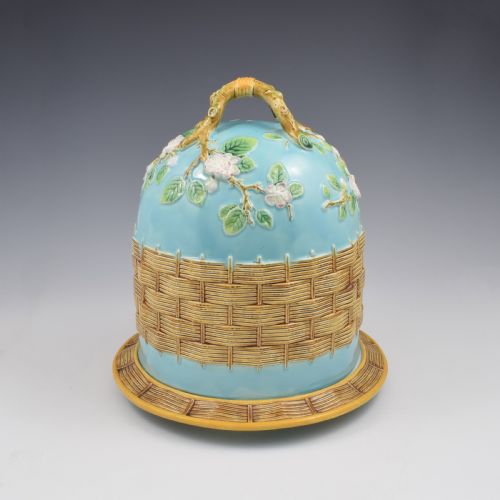
Makers utilised characteristic motifs such as basket weave, wheat and lattice, and apple blossom to decorate the ceramic surfaces. The resulting serveware reflects the practical needs and decorative tastes of nineteenth-century households.
How they were made
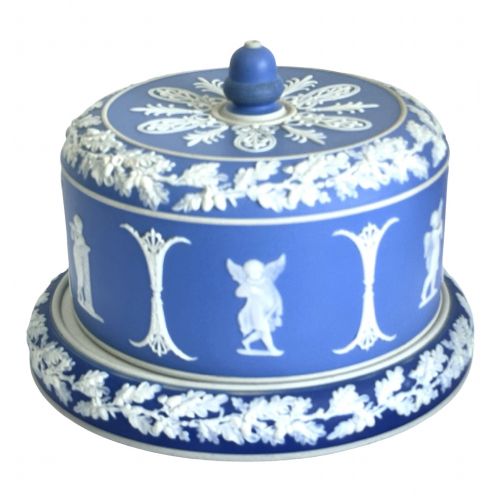
Potters shaped these vessels from earthenware, ironstone, and stoneware bodies, often applying heavy glaze to seal the porous clay. Some pieces received specialised treatments such as Jasperware relief decoration or colourful majolica lead glazes.
Moulding techniques allowed workshops to produce complex textures like basket weave patterns, wheat stalks, and lattice work across the domes and stands. Gilding occasionally highlights the moulded details on finer Victorian examples.
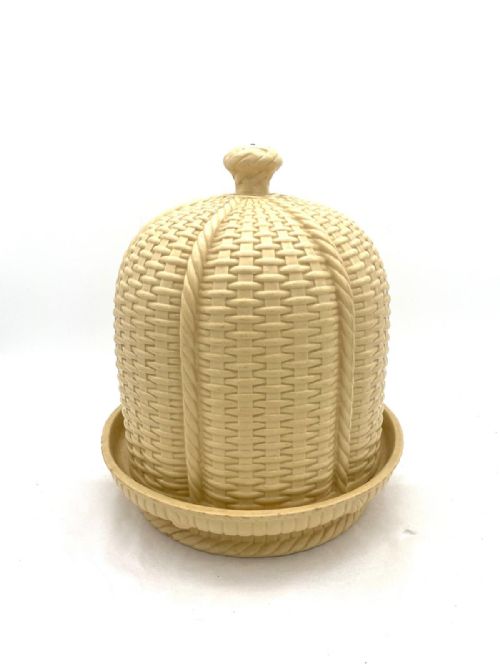
Several domes are moulded to resemble woven wicker baskets, tricking the eye into expecting twigs rather than solid clay.
What varies in quality
The distinction between standard domestic production and superior quality rests in the crispness of the moulded relief and the depth of the glaze. Finer pieces by named makers display sharp botanical details and controlled colour application.
Proportion and scale also separate ordinary cheese dishes from substantial exhibition pieces designed to house whole Stilton cheeses. Weight, wall thickness, and the balance of the dome upon its stand indicate the original ambition of the pottery.
George Jones·Wedgwood·James Dudson·Copeland
The Antique Ceramic Cheese Keeper Glossary
- Ironstone
- A dense, durable type of earthenware patented in the nineteenth century that resisted chipping. It provided a sturdy white body for large cheese domes.
- Majolica
- A colourful lead-glazed earthenware style popular during the Victorian period. It allowed potters to achieve vibrant green, brown, and pink hues on relief-moulded surfaces.
- Jasperware
- A fine-grained, unglazed stoneware developed with coloured bodies and applied white cameo reliefs. It was utilised by notable potters for classical and naturalistic cheese bells.
- Stilton Dome
- A tall, cylindrical cheese keeper specifically proportioned to house a whole Stilton wheel. These substantial vessels often feature matching ceramic stands.
- Drabware
- A type of unglazed or softly glazed stoneware featuring muted greyish-brown or olive clay bodies. It enjoyed favour during the mid-nineteenth century for utilitarian kitchenwares.
Antique Ceramic Cheese Keeper: Frequently Asked Questions
What is a cheese keeper?
A cheese keeper is a covered ceramic vessel designed to store cheese at the dining table while containing strong aromas and preventing the paste from drying out.
Most examples consist of a domed lid with a handle, sitting upon a matching flat ceramic plate or stand.
Why are some domes so tall?
Taller domes, often referred to as Stilton domes, were specifically proportioned to accommodate traditional tall cylinders of blue Stilton cheese.
These larger vessels reflect the scale of nineteenth-century dining, where large wheels of cheese were served directly to guests.
How do I identify a Victorian piece?
Victorian cheese keepers frequently exhibit characteristic styles such as colourful majolica glazes, white ironstone bodies, or Jasperware ornamentation.
Stylistic motifs like basket weave and apple blossom also point directly to nineteenth-century manufacturing traditions.
Can I use mine for daily dining?
These ceramic vessels function well for storing and presenting hard cheeses at room temperature on the dining table.
The glazed interior surfaces contain the cheese safely, though care must be taken with heavy ceramic domes during washing.