
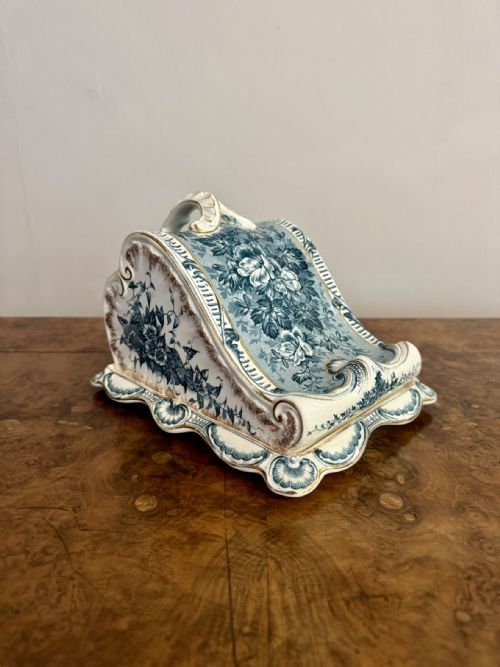
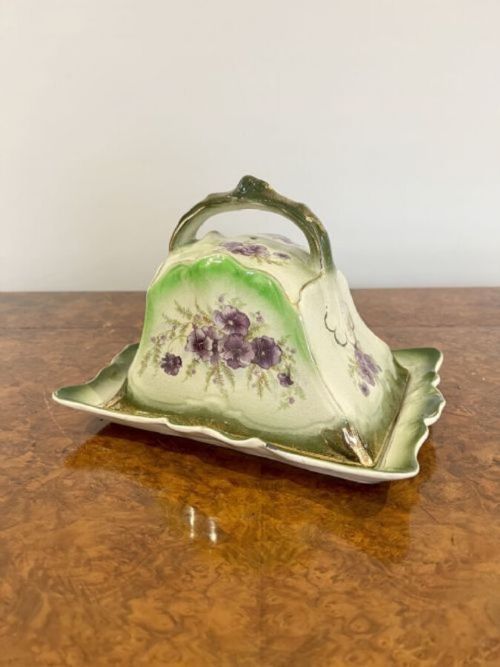
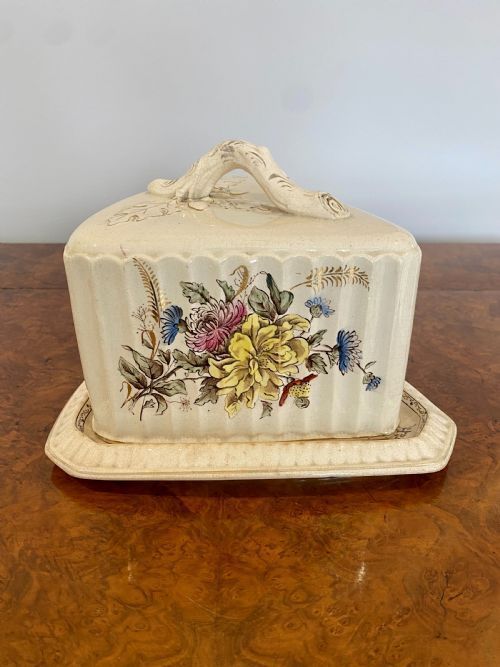
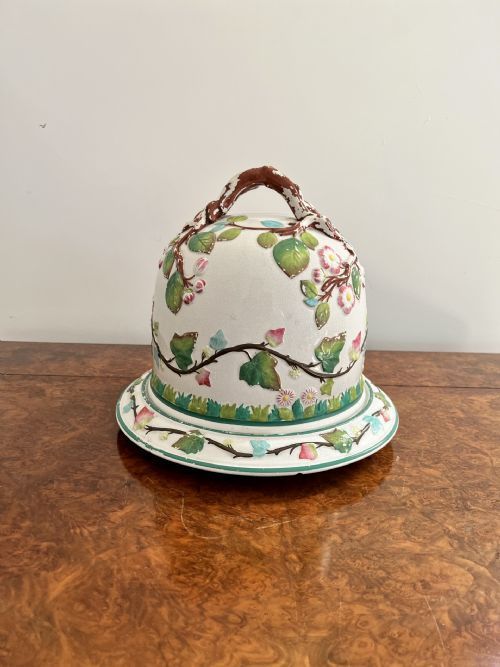


Vintage Cheese Bell Cover
A vintage cheese bell cover protects your table cheese while showing off remarkable craftsmanship from the Victorian and Edwardian eras.
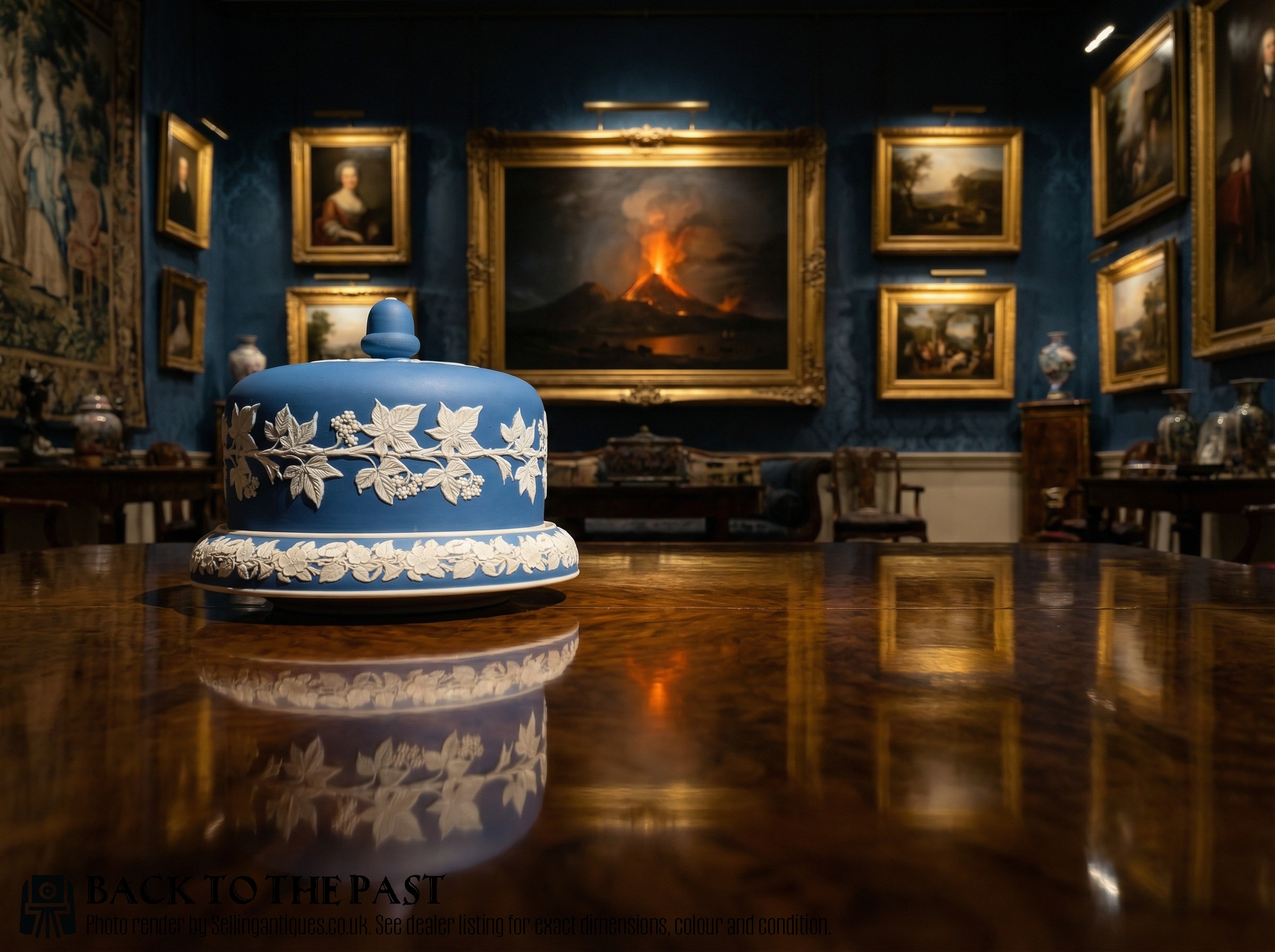
Vintage Cheese Bell Cover
A vintage cheese bell cover is designed to preserve and display cheese on the dining table, combining a fitted dome with a matching tray or stand. When you browse this selection of vintage cheese bell cover pieces, you encounter forms ranging from large Victorian serving dishes to smaller continental designs.
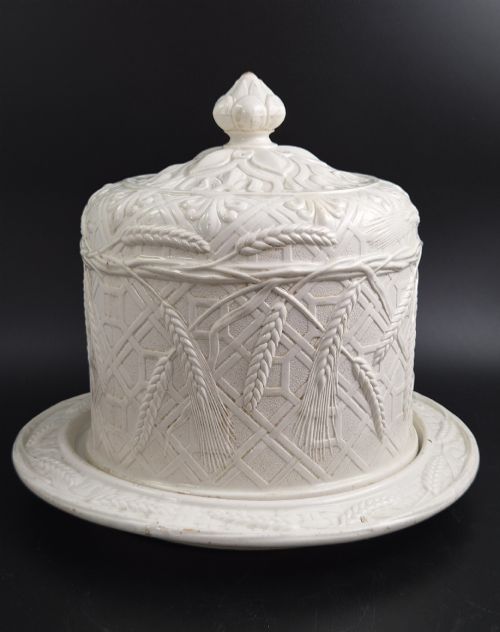
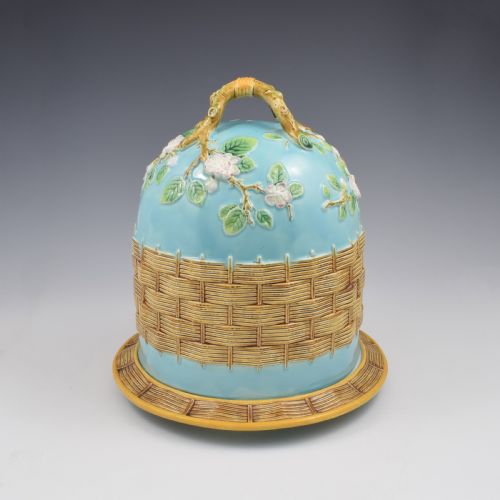
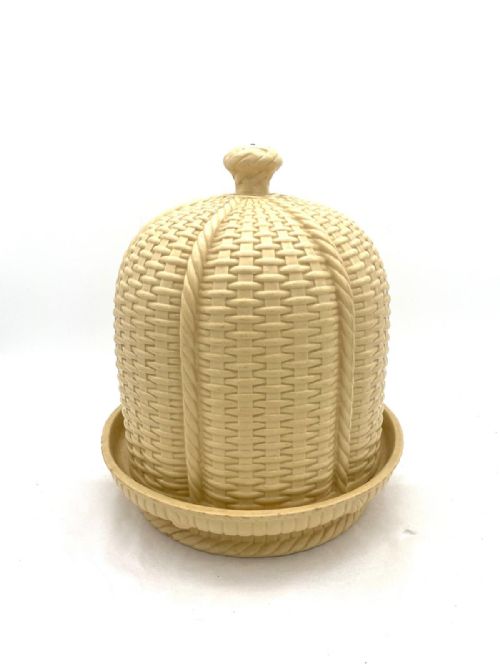
The objects spanning the nineteenth and early twentieth centuries show remarkable variety in their modelling, from naturalistic apple blossom motifs to geometric basket weave patterns. Most examples on this page date from the Victorian period through to the nineteen twenties, reflecting a golden age of formal dining and domestic entertaining.
Materials and construction
Ceramic production dominates these pieces, utilising durable white ironstone, earthenware, and glazed ceramic bodies that lend themselves to substantial moulded decoration. Potters employed relief moulding to create tactile surfaces such as wheat and lattice patterns, drabware textures, and intricate majolica glazes.
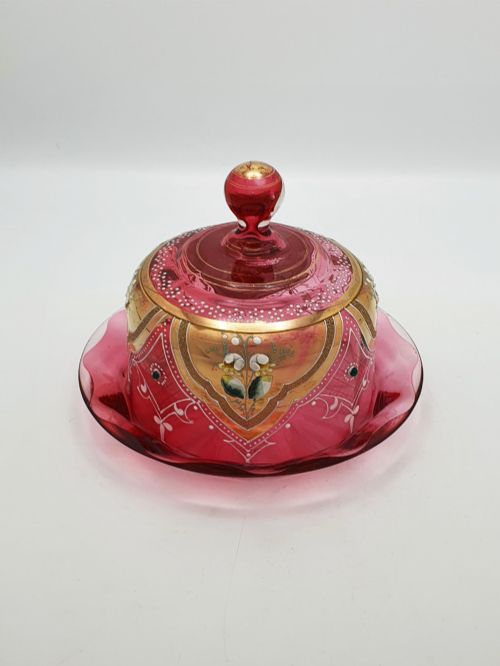
Alternative materials include vibrant cranberry glass combined with fitted metal stands, alongside pieces incorporating silver plate mounts. These varied media demonstrate the resourcefulness of makers working across Britain and the continent to produce functional serveware.
Materials represented across these items include earthenware, ironstone, majolica, cranberry glass, and silver plate.
Assessing quality and character
Quality in a vintage cheese bell cover rests upon the crispness of the moulded detail and the richness of the glaze application. Superior examples display sharply defined relief work, whether rendered in majolica colours, jasper ware, or pristine white ironstone.
The harmony between the cover and its original base dictates the overall integrity of the piece. Well-balanced proportions and confident handling by the maker separate standard utilitarian vessels from exceptional display pieces.
George Jones
The Vintage Cheese Bell Cover Glossary
- Cheese bell
- A domed cover, typically made of glass or ceramic, designed to sit over a dish and keep cheese fresh. The shape resembles a traditional church bell.
- Majolica
- A type of earthenware coated with an opaque tin glaze and painted with metallic oxide colours. It produces vibrant, glossy surfaces popular in Victorian tableware.
- Ironstone
- A heavy, durable type of earthenware patented in the nineteenth century. It provides a strong white body that resists chipping.
- Drabware
- Unglazed or lightly glazed stoneware in muted grey-brown or olive tones. It was widely produced during the nineteenth century for practical household items.
Vintage Cheese Bell Cover: Frequently Asked Questions
What is a vintage cheese bell cover used for?
These covers were originally placed over hard cheeses on the dining table to retain moisture and protect the food from insects. Today they function both as decorative dining accessories and practical storage for artisanal cheeses.
Collectors often display them on sideboards or utilise them during dinner parties to recreate a traditional tablescape aesthetic.
How do I clean a ceramic cheese dish?
Wash the pieces gently by hand using warm water and mild washing-up liquid with a soft cloth. Avoid abrasive scouring pads that might scratch the glaze or delicate silver-plated mounts.
Ensure the ceramic and glass components dry completely before storing them away in a stable environment.
How can I tell a Victorian cover from a later one?
Victorian examples often feature heavier ironstone bodies, deep majolica colouring, or intricate hand-applied relief work like wheat and lattice designs. Pieces from the early twentieth century often show influences from Art Nouveau styles or incorporate silver plate.
Examining the underside of the base can also reveal maker marks or registration numbers that help narrow down the date of manufacture.
Are glass and ceramic covers interchangeable?
Most covers and bases were manufactured as matched pairs to ensure a snug and secure fit. Using a cover from a different maker or period often results in an improper seal on the stand.
Keeping the original matched components together preserves the historical integrity and visual balance of the serveware.