

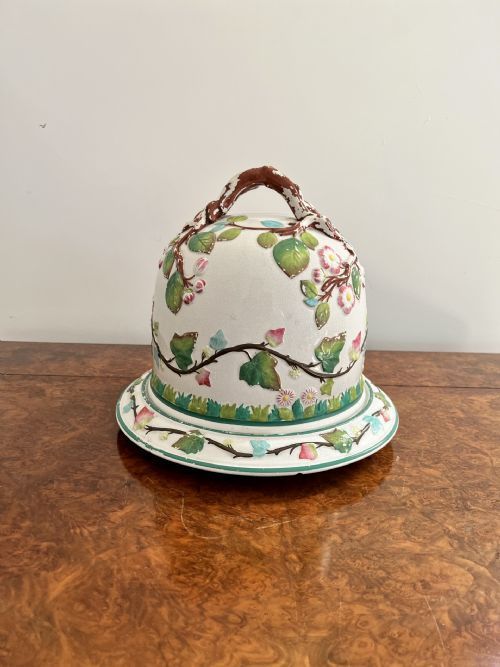
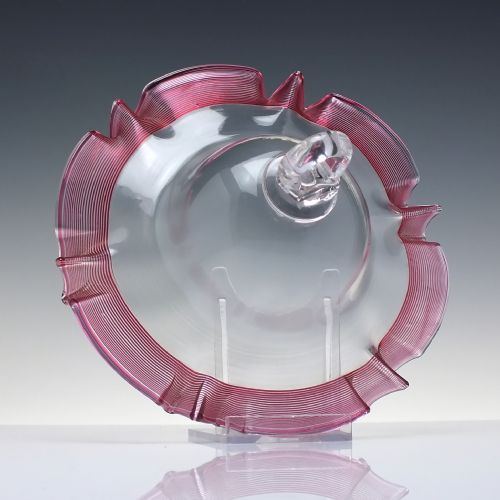


19th Century Cheese Bell
A 19th century cheese bell protects your cheese on the dining table while keeping the room free from its aroma.
19th Century Cheese Bell
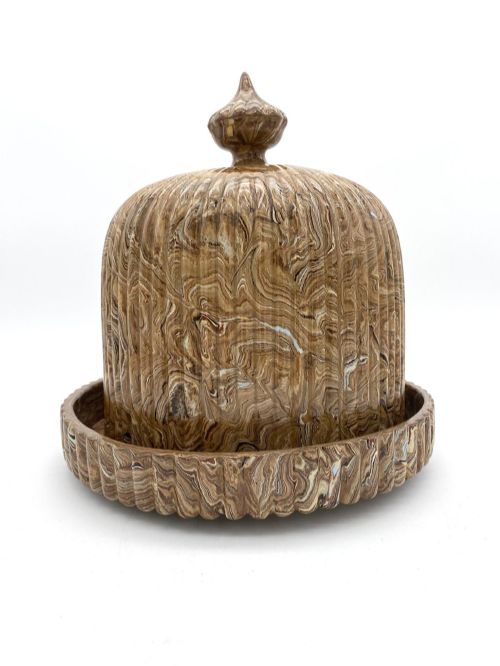
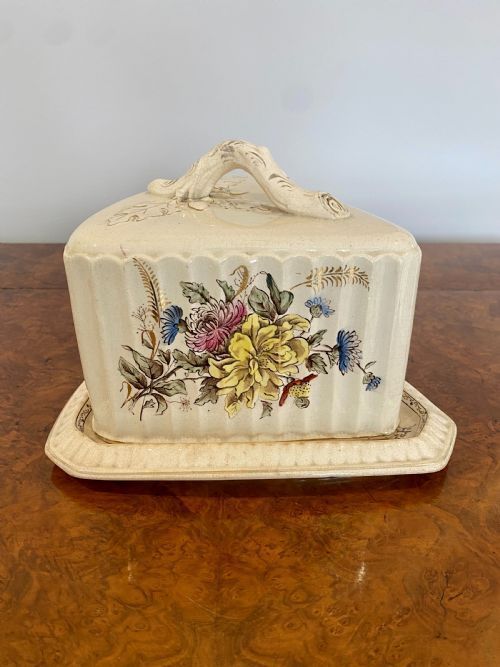
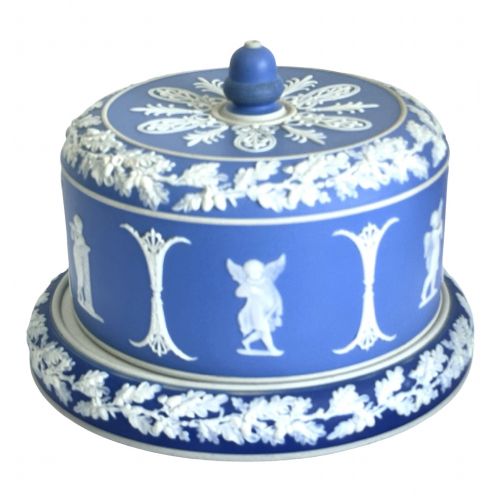
A 19th century cheese bell takes the form of a domed cover paired with a matching base or stand, designed specifically to preserve cheese. You will most frequently encounter Victorian Majolica and jasperware iterations on this page, dating largely from around eighteen eighty.
The objects serve as functional serveware that evolved from simple household items into ornate table centrepieces. Forms range from earthenware cheese dishes to glass domes intended for display.
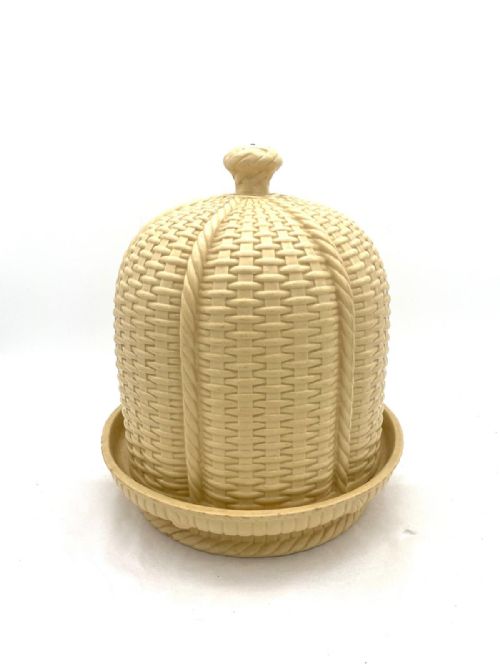
Makers utilised various ceramic bodies, producing large proportion cheese domes and specialised Stilton dishes. These pieces reflect the dining habits of the Georgian and Victorian periods, often featuring decorative motifs such as basket weave designs.
How they were made
Potters shaped earthenware, stoneware and ceramic bodies to form the heavy domes and matching stands. These materials provided the necessary weight to keep the cover stable on the dining table.
Craftsmen applied glazes and specialised finishes, including vibrant Majolica colours and matte jasperware surfaces. Glass domes were blown separately, creating clear or cranberry glass display covers for the table.
19th Century Cheese Bell Retail Price Guide 2026
Typical asking prices for 19th century cheese bell among the pieces listed under this phrase on Sellingantiques today, from the lower quarter to the upper quarter. They describe what is for sale here now, not the wider market.
Some nineteenth century diners required cheese bells simply to prevent the pungent aroma of Stilton from dominating the drawing room.
What varies in quality
Quality shows in the crispness of moulded details, particularly on Majolica or jasperware pieces where the definition of the pattern dictates the visual appeal. Sharp relief and even glaze coverage separate superior examples from softer, less distinct castings.
The scale and proportion of the dome relative to the base influence the overall presence of the object on the table. Large proportion pieces with well-matched stands demonstrate greater ambition from the pottery.
Wedgwood
The 19th Century Cheese Bell Glossary
- Jasperware
- A fine-grained, unglazed stoneware developed by Wedgwood, typically displaying contrasting white relief figures against a coloured background. It offers a distinct matte texture.
- Drabware
- A style of utilitarian pottery characterised by its muted grey-brown or olive body colour. It provides a subtle background for moulded patterns such as basket weave designs.
- Cranberry glass
- A rich pinkish-red glass created by adding gold chloride to the molten batch. It was frequently utilised for decorative display domes.
19th Century Cheese Bell: Frequently Asked Questions
What is a cheese bell?
A cheese bell is a domed cover with a matching base used historically to store cheese at the table.
The shape traps moisture and contains strong odours while keeping insects away from the food.
How were cheese bells used?
Victorian households placed the heavy ceramic or glass dome over a wedge of cheese sitting on a matching dish.
Servants brought the dish to the dining table at the conclusion of the meal for guests to help themselves.
Are these domes for Stilton?
Some tall domes are specifically designed to accommodate tall cylinders of Stilton cheese.
These pieces feature larger proportions and deeper covers than standard cheese dishes.
How do I clean my cheese bell?
Wash ceramic and glass domes gently by hand in warm soapy water using a soft cloth.
Avoid soaking antique earthenware pieces or subjecting them to sudden temperature changes.