
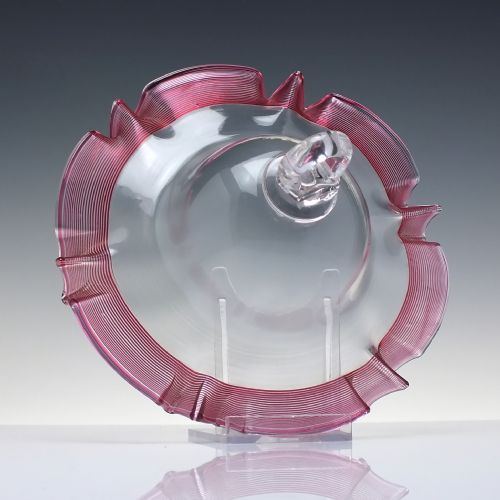


19th Century Cheese Dome
A 19th century cheese dome is a substantial table centrepiece designed to protect and present cheese, combining utilitarian service with high Victorian display.
19th Century Cheese Dome
When you search for a 19th century cheese dome, you are looking at covered vessels made to keep Stilton and other large cheeses moist on the dining table. The pieces on this page span the Georgian and Victorian periods, with the majority originating around 1880.
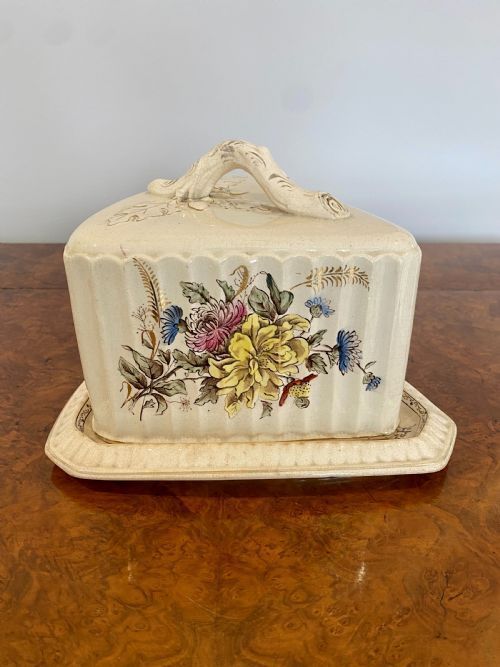
Most examples take the form of a ceramic or glass cover paired with a matching stand or dish. You will encounter earthenware, stoneware, majolica, and glass forms among the current selections.
Makers produced these domes in various scales, from standard domestic sizes to large proportions fit for grand service. The object types include dedicated cheese dishes and serveware alongside related display domes.
How they were made
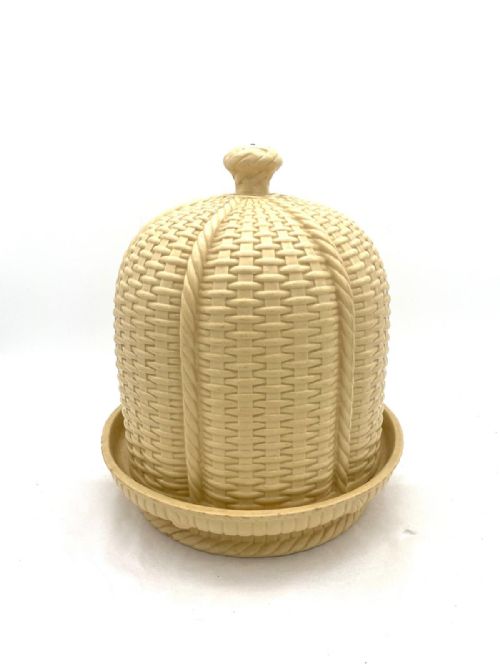
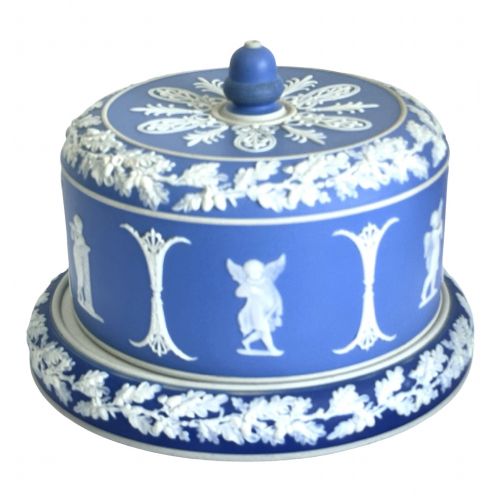
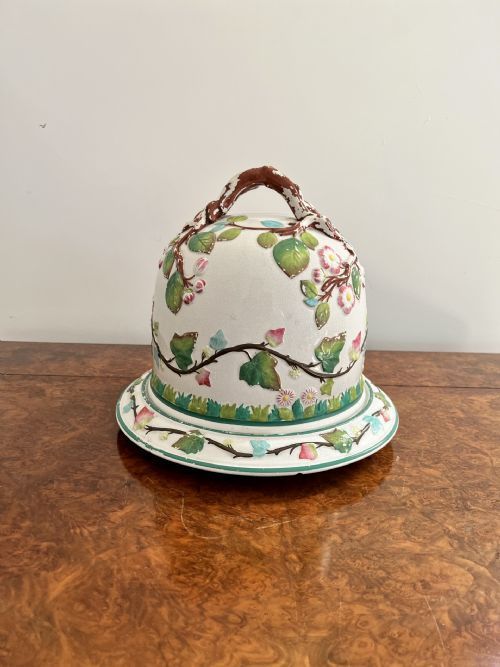
Potters shaped these vessels using earthenware, stoneware, and jasperware, applying coloured glazes to achieve the vibrant surfaces seen on majolica pieces. Basket weave textures and relief ornamentation were moulded directly into the ceramic body before firing.
Glass domes, including cranberry glass and transparent display pieces, were mouth-blown and finished by hand. These transparent covers offered an alternative to opaque pottery, allowing diners to view the cheese without lifting the lid.
Victorian diners apparently required so much cheese protection that makers moulded entire basket weaves onto the pottery just to keep up appearances.
What varies in quality
Quality in a 19th century cheese dome rests on the crispness of the moulded relief and the depth of the glaze. Pieces by established makers exhibit superior control over pigments, particularly in majolica and jasperware variants.
Proportion and scale distinguish standard production wares from pieces of large proportion. A well-balanced dome sits evenly on its stand, with handle and finial details that reflect careful hand-finishing rather than hasty factory output.
Wedgwood·Dudson
The 19th Century Cheese Dome Glossary
- Jasperware
- A type of fine stoneware developed by Josiah Wedgwood, characterised by a matte unglazed body in blue or drab colours with applied white relief ornamentation. It remains one of the most recognisable ceramic styles of the nineteenth century.
- Majolica
- A heavy earthenware pottery covered with colourful lead glazes, popular during the Victorian era for its rich hues and tactile surface textures. Potters frequently utilised this technique for botanical and basket-weave cheese dishes.
- Stoneware
- A dense, impermeable ceramic fired at high temperatures, valued for its durability in domestic kitchen and dining wares. Nineteenth-century makers used it to create robust cheese domes that resisted daily wear.
- Drabware
- A utilitarian ceramic body with a subdued brownish-grey tone, common in nineteenth-century kitchen and dairy ceramics. It provided a neutral backdrop for textured surface patterns like basket weave.
- Cranberry glass
- A rich red glass coloured with gold chloride, often blown into decorative domes and tableware during the Victorian period. Its distinct hue added warmth to the dining table.
19th Century Cheese Dome: Frequently Asked Questions
What is a 19th century cheese dome used for?
These covered vessels were placed on the dining table at the end of a meal to keep large cheeses, particularly Stilton, moist and protected from the air. The matching stand caught crumbs and contained the cheese safely during serving.
In Victorian households, they formed part of an elaborate tablescape for entertaining guests, combining practical food storage with decorative display.
How do I date a 19th century cheese dome?
Dating relies on identifying the materials, ceramic bodies, and decorative styles recorded in the manufacturing repertoire of the period. Majolica glazes and specific relief motifs point towards the late Victorian decades around 1880.
Maker marks stamped into the pottery base provide the most reliable evidence for dating. Unmarked pieces are evaluated through stylistic comparison with documented works from the same era.
Are glass domes and ceramic domes used differently?
Glass domes allow diners to view the cheese without lifting the heavy cover, whereas ceramic and majolica domes conceal the contents entirely until serving time. Both types served the same primary function of keeping the cheese fresh on the sideboard or dining table.
Ceramic domes often featured integrated handles or finials designed for a firm grip, while glass versions relied on blown knobs for lifting.
How do I care for an antique cheese dome?
Antique ceramics and glass require gentle hand washing in warm water with mild detergent to preserve their glazes and surfaces. Avoid soaking pieces with absorbent earthenware bodies or historical cracks.
Display them away from direct heat sources and sudden temperature changes, which can stress old glazes and vulnerable glass structures.