



Antique Cheese Stand
An antique cheese stand brings a wonderful nineteenth-century presence to the table, designed originally to keep fine Stilton and Cheddar in proper condition.
Antique Cheese Stand
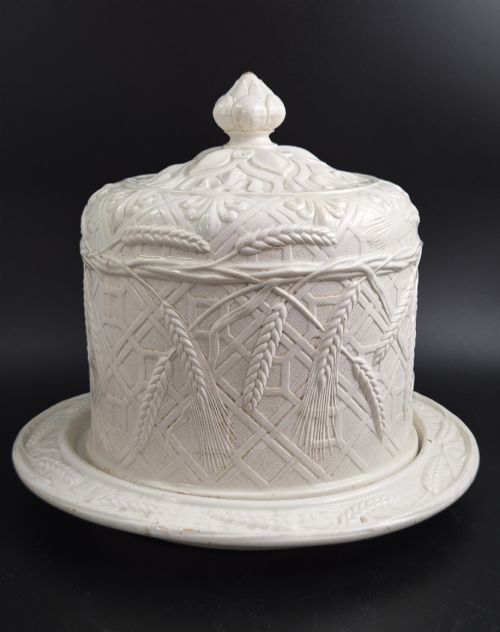
When you search for an antique cheese stand, you encounter a specialised form of serveware that combines a fitted ceramic dome or bell with a matching base plate, often referred to as a cheese dish or truckle. These pieces emerge predominantly from nineteenth-century British potteries and cabinetmakers, reflecting the domestic habits of the Victorian dinner table.
The ceramic iterations frequently showcase heavy ironstone, majolica, or jasperware, while timber examples span mahogany, oak, sycamore, and occasionally walnut. Alongside lidded domes, the evidence includes flat stands, crescent truckles, and rotating lazy Susans intended for communal dining.
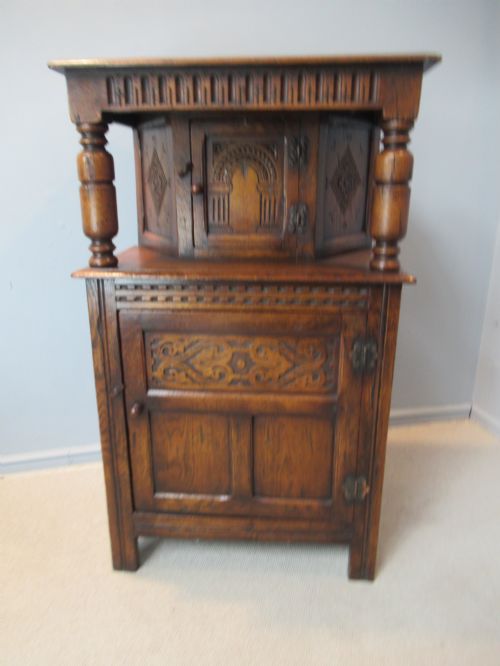
Victorian and Georgian periods dominate the surviving selection, though occasional seventeenth-century court cupboards also appear under this category due to overlapping historic functions in food storage. Most items on this page combine earthenware covers with matching platters designed to hold large wedges of hard cheese.
Materials and construction methods
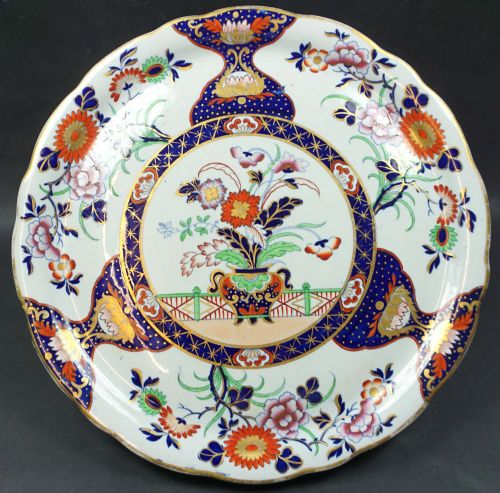
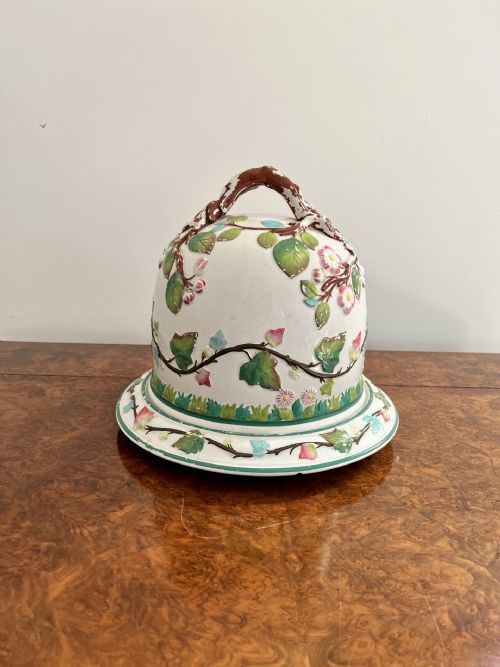
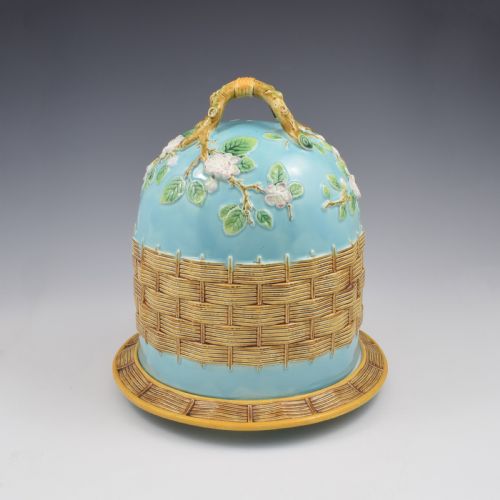
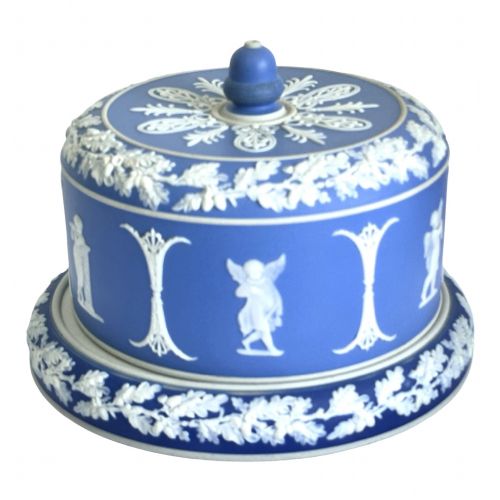
Potters shaped the ceramic domes and bases using earthenware and ironstone, applying white glazes, hand colouring, or colourful majolica lead glazes to create decorative surfaces like the apple blossom and pagoda patterns. Jasperware pieces utilised contrasting stoneware bodies to achieve distinct applied neoclassical reliefs.
Cabinetmakers worked with native timbers such as oak, mahogany, and sycamore, turning circular boards on lathes or constructing small court cupboards with hand-carved panels. Metal elements appear occasionally in the form of silver plate combined with glass or cast iron structures.
Antique Cheese Stand Retail Price Guide 2026
Typical asking prices for cheese stand among the pieces listed under this phrase on Sellingantiques today, from the lower quarter to the upper quarter. They describe what is for sale here now, not the wider market.
Listings feature ceramics in ironstone, majolica, and jasperware alongside timbers like mahogany, oak, and sycamore across the Georgian, Victorian, and Edwardian periods.
Distinctions in quality
Quality rests significantly on the prestige of the maker and the crispness of the moulding, particularly on majolica relief work and jasperware appliqués where finer definition separates standard production from superior examples. The weight and brilliance of the white ironstone or the depth of the glaze further dictate the standing of a piece.
For wooden stands and court cupboards, the choice of timber and the complexity of the turned or carved details indicate the skill invested by the maker. Complete matching pairs of domes and bases command greater interest than mismatched or replacement covers.
Hicks & Meigh·George Jones·Wedgwood·James Dudson·Copeland·Mason's
The Antique Cheese Stand Glossary
- Cheese bell
- A heavy domed cover, usually ceramic, designed to fit over a base plate and trap humidity to keep cheese moist. It is sometimes called a cheese dome.
- Majolica
- A type of earthenware covered with an opaque lead glaze and brightly coloured metallic oxides. It became exceptionally popular during the Victorian era for botanical and whimsical designs.
- Ironstone
- A heavy, durable kind of durable earthenware patented in the nineteenth century. It frequently carries transfer-printed or hand-coloured patterns like pagoda and wheat motifs.
- Jasperware
- A fine-grained, unglazed stoneware developed by Wedgwood, characterised by contrasting white relief figures applied against a coloured background.
- Court cupboard
- A traditional wooden cupboard used historically for storing food and utensils. The evidence includes carved oak examples from earlier centuries alongside later pieces.
Antique Cheese Stand: Frequently Asked Questions
What is a cheese truckle?
A cheese truckle is a traditional circular stand or board designed specifically to hold a cylindrical wheel of hard cheese. These items often feature low rims or crescent shapes.
In historical dining, they allowed servants to move large portions of cheese around the table easily. Many versions paired timber trays with ceramic or glass covers.
How do I date a ceramic cheese dome?
Dating relies on maker marks, ceramic bodies such as ironstone or majolica, and the stylistic details of the moulding. Victorian examples often feature botanical motifs and vivid glazes.
Earlier nineteenth-century pieces from makers like Hicks & Meigh display distinct hand-coloured transfer printing. Examining the glaze texture and crazing provides further clues to age.
Were these stands used for cake?
Certain circular wooden and ceramic stands served multiple purposes, accommodating cakes alongside cheese depending on the household needs. Flat platters without domes functioned well for pastries.
However, domed pieces were engineered specifically to manage the ripening and storage of cheese. Lidded bells prevented strong aromas from escaping into the dining room.