



Victorian Cake Stand
A victorian cake stand serves as a tiered or elevated centrepiece for display, bringing period character and practical height to a tea table or sideboard.
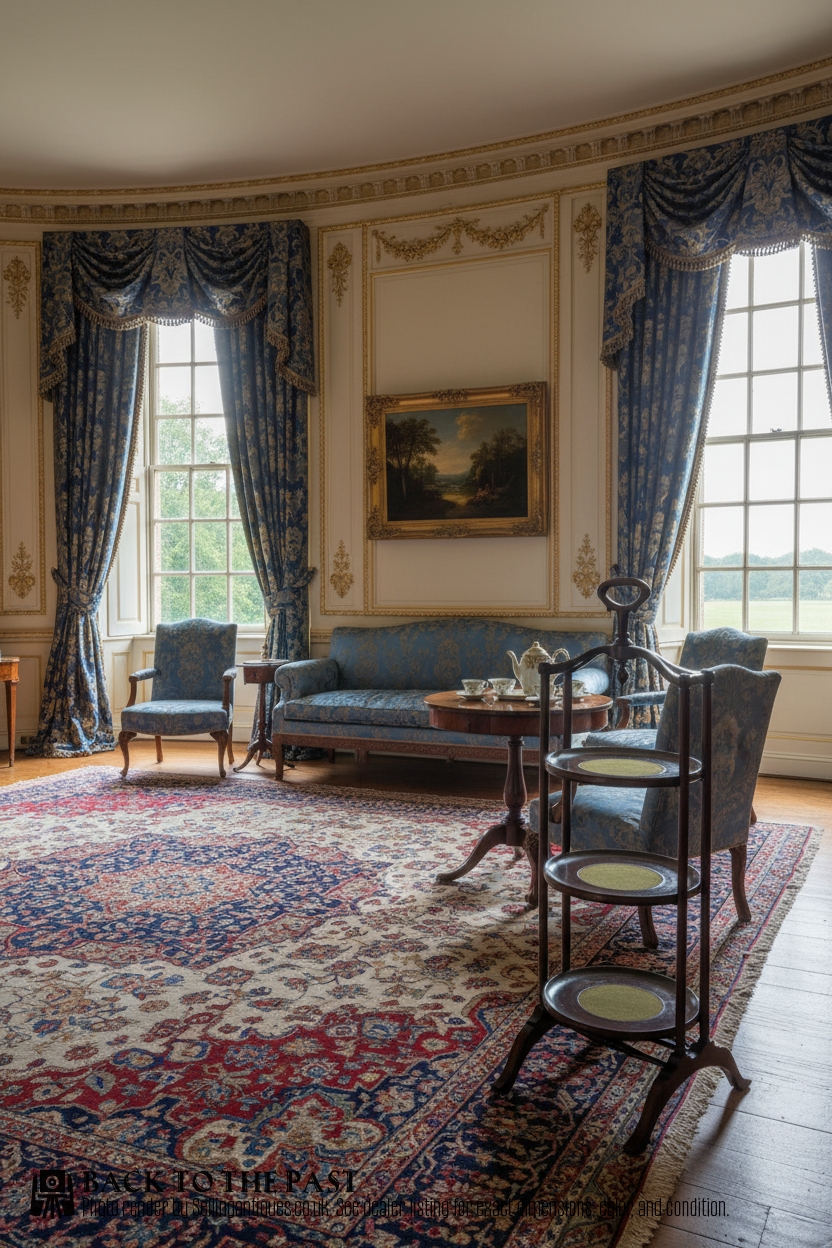
Victorian Cake Stand
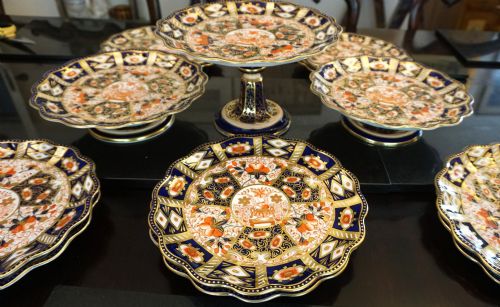
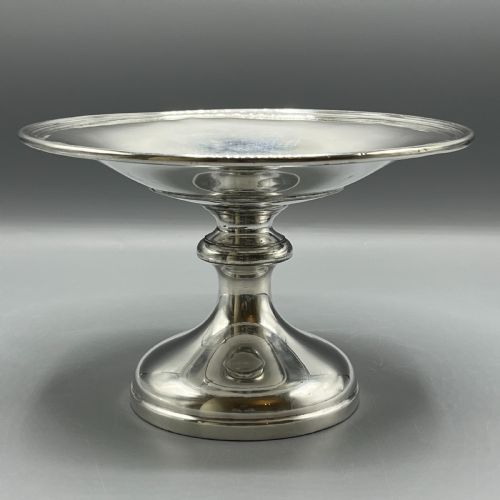
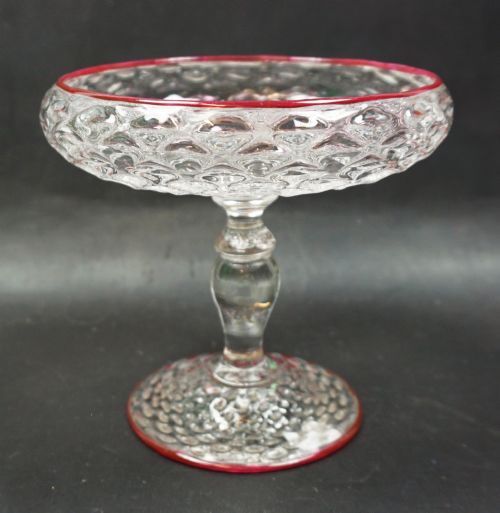
When you search for a victorian cake stand, you encounter several distinct configurations designed for serving and display. The most common examples take the form of tiered mahogany or walnut folding stands, alongside pedestal tazzas in moulded crystal and pressed glass.
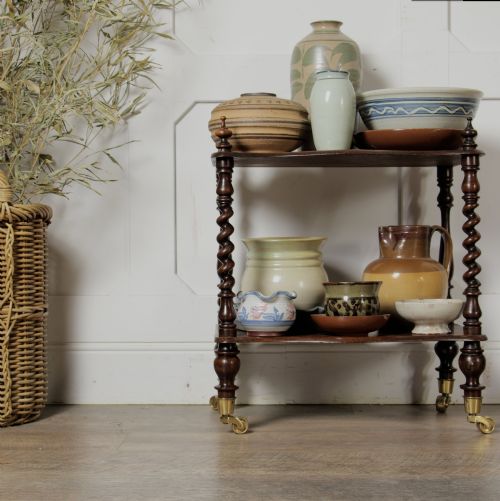
Makers produced these pieces in forms ranging from single-tier mirrored plateaus to multi-tiered folding structures and revolving dumb waiters. Wooden variants frequently utilise mahogany or oak, whilst glass versions showcase blue pearline or etched lead crystal.
Materials and construction
Timbers such as mahogany, walnut and oak form the structural backbone of wooden tiered stands, often shaped with turned supports and folding hinges. Joinery methods include tripod bases and screw-threaded central columns.
Glass pieces rely on mould-blowing and pressing techniques, producing honeycombed patterns and blue pearline effects. Silver plated mounts and mirrored plateaus incorporate engraved metal frames secured to wooden or cast iron bases.
Victorian Cake Stand Retail Price Guide 2026
Typical asking prices for victorian cake stand among the pieces listed under this phrase on Sellingantiques today, from the lower quarter to the upper quarter. They describe what is for sale here now, not the wider market.
Listings feature woods such as mahogany, walnut, oak, and ebonised wood alongside pressed glass and silver plate.
Distinctions in craftsmanship
Quality in these pieces rests upon the crispness of the turning on wooden stems and the depth of engraving on glass tazzas or silver plated rims. Superior examples display substantial timber thickness and stable, true-running folding mechanisms.
The integration of materials also defines the standard, such as heavy mirror glass properly seated within cast metal borders rather than lighter substitutes. Refined joinery and undamaged moulded glass edges separate standard production from finer workshop output.
Davidson
The Victorian Cake Stand Glossary
- Tazza
- A shallow bowl or flat plate elevated on a high foot or pedestal. These glass or ceramic pieces served sweetmeats and cakes.
- Pearline
- A pressed glass technique developed in the late nineteenth century, characterised by shaded translucent blue colours. It gained popularity for decorative tableware.
- Dumb waiter
- A multi-tiered piece of furniture with revolving or stationary shelves used for serving food without attendants. They share structural similarities with tall cake stands.
- Plateau
- A mirrored tray or stand placed in the centre of a dining table to hold ornaments or cakes. Silver plated mounts frequently enclose the glass surface.
- Etagere
- A piece of furniture consisting of open shelves for displaying small objects. Examples in this category function as tiered display stands.
Victorian Cake Stand: Frequently Asked Questions
What is a victorian cake stand used for?
These pieces originally held cakes, pastries, and tea fancies during formal afternoon gatherings and celebrations.
Today, they function as display furniture or tabletop centrepieces for ornaments and desserts.
How do I distinguish glass tazzas from cake stands?
A tazza is typically a single shallow vessel raised on a central foot or pedestal.
Cake stands more frequently incorporate multiple tiers or flat mirrored surfaces supported by wood or metal.
Are folding cake stands period correct?
Multi-tier folding stands in mahogany and walnut were produced extensively during the later nineteenth and early twentieth centuries.
They allowed households to store serving furniture compactly when not in use.
How do I care for silver plated stands?
Silver plated mirror plateaus require gentle cleaning with a soft cloth to protect the reflective surface from moisture.
Timber tiers benefit from occasional waxing to preserve the natural grain of the mahogany or walnut.