

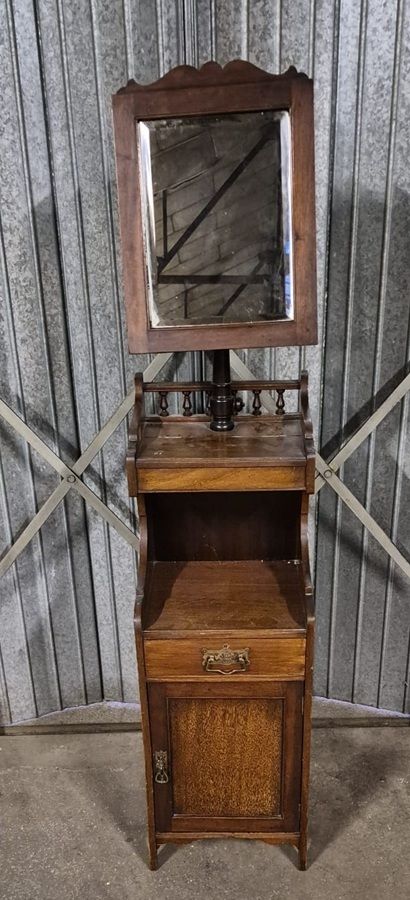

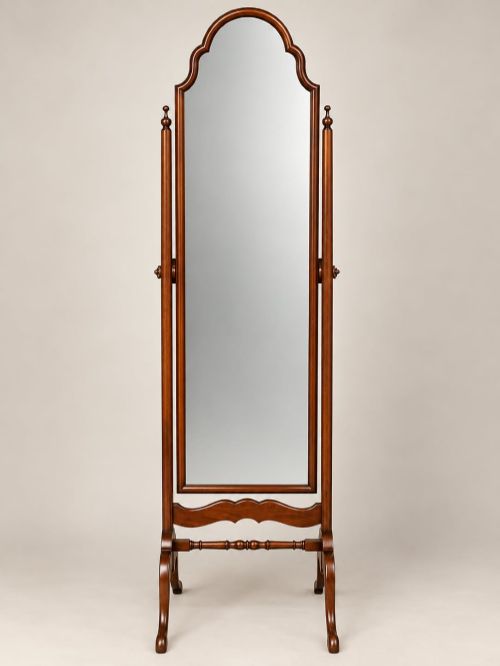
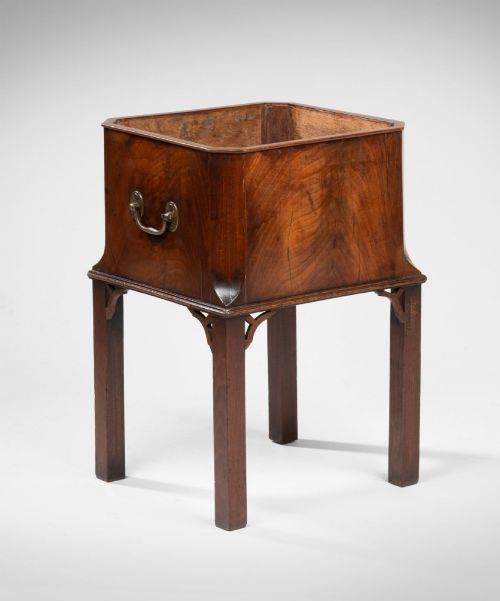
Dark Mahogany Stand
Dark mahogany stands bring rich timber tone and practical elevation to a room, ranging from compact wine tables to towering display cabinets.
Dark Mahogany Stand
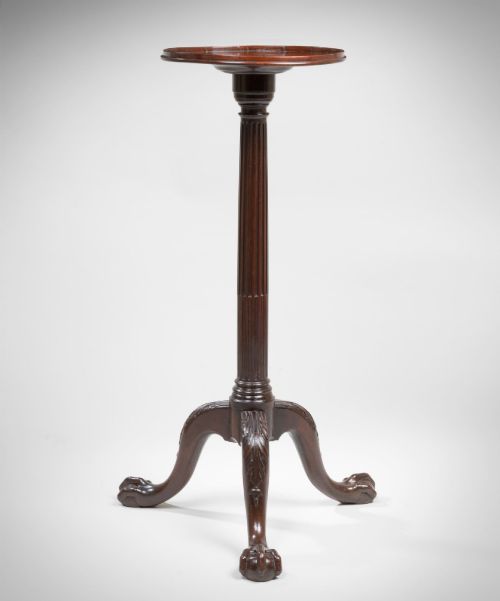
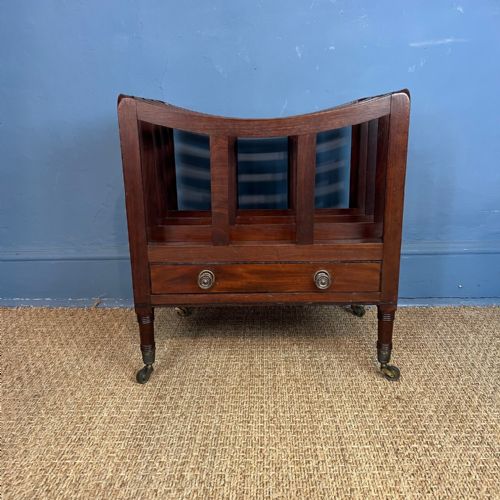
A dark mahogany stand encompasses a wide range of elevated furniture forms designed to display items or support daily tasks within the home. When exploring this category, you encounter everything from compact wine tables and candle stands to larger towel rail stands, luggage racks and display cabinets. These pieces span the Georgian, Victorian and Edwardian eras, reflecting shifts in domestic utility across centuries.
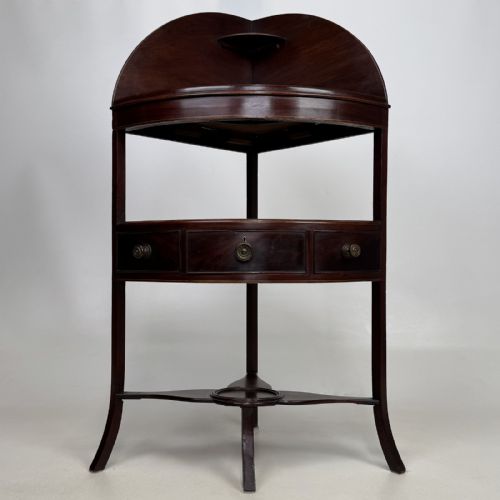
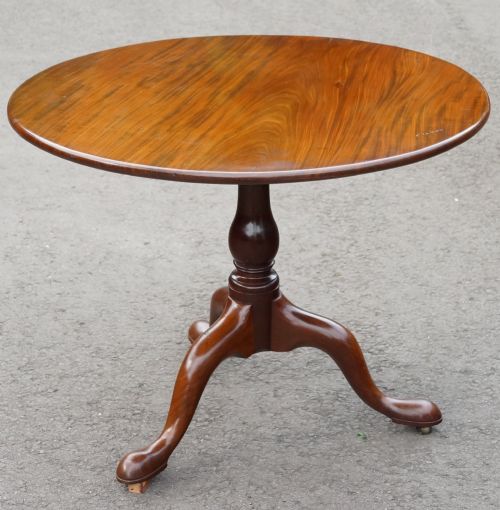
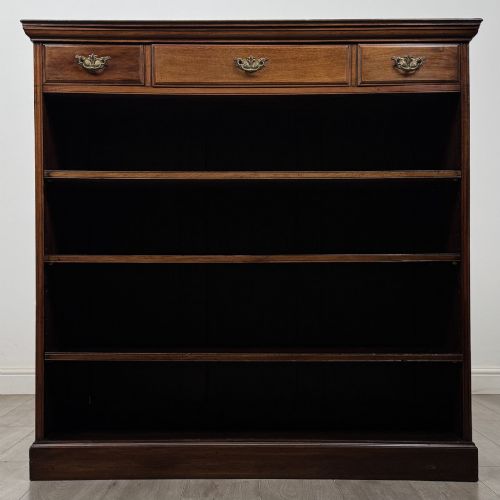
The most common forms you meet include occasional tables, lamp tables and specialised display pieces originating from the nineteenth and early twentieth centuries. Georgian and Regency examples often present refined tripod bases or tilt-top mechanisms, whilst Victorian and Edwardian pieces lean toward practical multi-tiered stands, bookcases and washstands. Each iteration demonstrates how dense tropical timber met the evolving storage and display needs of British households.
Materials and construction methods
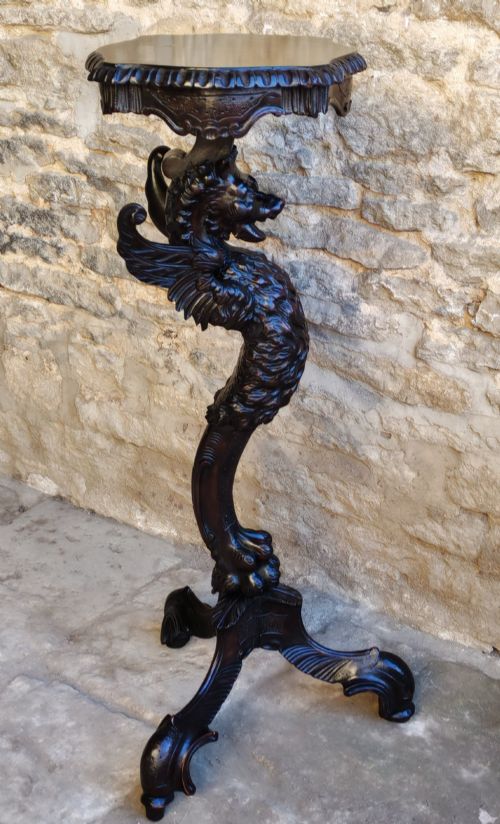
Makers relied primarily on solid mahogany and mahogany veneers, often pairing the dark timber with contrasting elements such as satinwood inlay, brass fittings and marble tops. The dense grain of the wood permitted sharp carving, evident in barley twist supports and carved figural pedestals. Structural integrity relied on traditional joinery, with turned columns and tripod legs ensuring stability for elevated surfaces.
Surface finishing played a crucial role in defining the deep reddish-brown tone associated with these stands. Craftsmen applied polishes that enhanced the natural figuring of the timber, sometimes incorporating glass panels or astral glazing for cabinets and brass hardware for handles and castors. Where inlay was employed, precise cutting of lighter woods created crisp geometric or floral contrasts against the dark background.
Dark Mahogany Stand Retail Price Guide 2026
Typical asking prices for dark mahogany stand among the pieces listed under this phrase on Sellingantiques today, from the lower quarter to the upper quarter. They describe what is for sale here now, not the wider market.
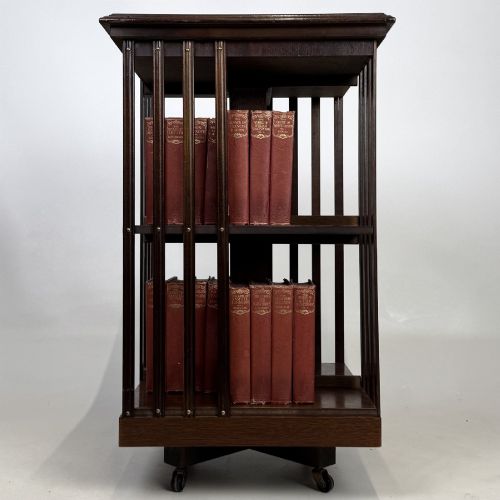
Early nineteenth-century homeowners utilised revolving bookcases so they could select their evening reading without having to walk around the furniture.
Distinctions in craftsmanship and design
The division between standard domestic pieces and top-tier examples rests in the selection of the timber and the precision of the carving. Superior stands display carefully matched grain patterns and deeply defined mouldings rather than mechanical uniformity. Elements like tilt-top mechanisms or revolving book-stands operate with smooth precision, showing meticulous attention to internal pivot engineering.
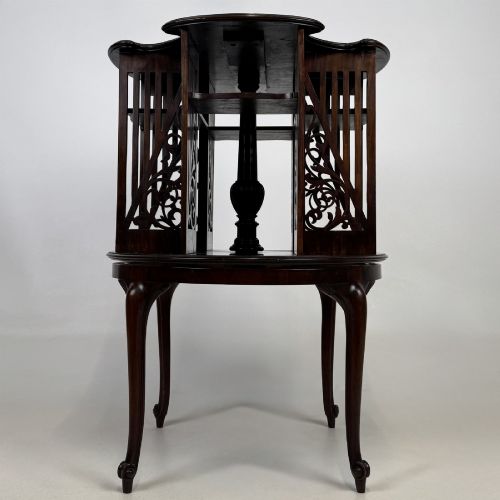
Secondary materials also signal tier distinctions, such as the weight of cast brass mounts, the purity of inset marble tops and the crispness of wood inlay work. Pieces that integrate complex forms - such as barley twist columns or fine fretwork in the Chippendale taste - demand higher levels of joiner skill. The overall cohesion of proportion and the retention of an aged, warm patina ultimately separate exceptional workshop productions from everyday furniture.
Gordon of Aberdeen·GM Elwood for JS Henry
The Dark Mahogany Stand Glossary
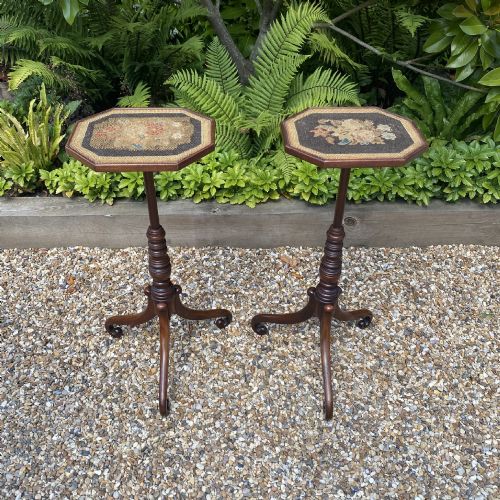
- Tripod table
- A small occasional table supported by a central pillar resting on three legs. These versatile stands became popular during the Georgian period for tea service or reading.
- Whatnot
- A set of open shelves supported by slender pillars, used for displaying ornaments or books. Victorian examples frequently incorporate turned uprights and corner designs.
- Tilt-top
- A tabletop hinged to its pedestal so it can be tipped vertically when not in use. This mechanism allowed tables to be stored flat against a wall.
- Inlay
- A decorative technique where pieces of contrasting wood, such as satinwood, are inserted into depressions in the mahogany surface. It creates geometric or pictorial patterns.
- Astral glazed
- A glass door or cabinet front divided by a delicate wooden framework into distinct panes. This method is frequently seen on refined display cabinets and bookcases.
Dark Mahogany Stand: Frequently Asked Questions
What is a wine table used for?
Wine tables served as portable surfaces for holding glasses and bottles during evening gatherings in the parlour or dining room. Their compact tops and central pedestals allowed them to sit easily beside seating.
Over time, these small stands adapted to general domestic use as lamp tables or display surfaces for decorative objects. Their portable nature made them practical additions to various rooms.
How do I identify a Georgian stand?
Georgian stands typically feature restrained classical proportions, solid mahogany construction and components like tripod bases or tilt-top mechanisms. The timber on earlier pieces often exhibits a deeper, more mature patina.
Cabinetwork from this period relies on traditional joinery techniques without the heavier ornamentation found in later Victorian furniture. Simple lines and functional elegance define the style.
Where were towel rail stands placed?
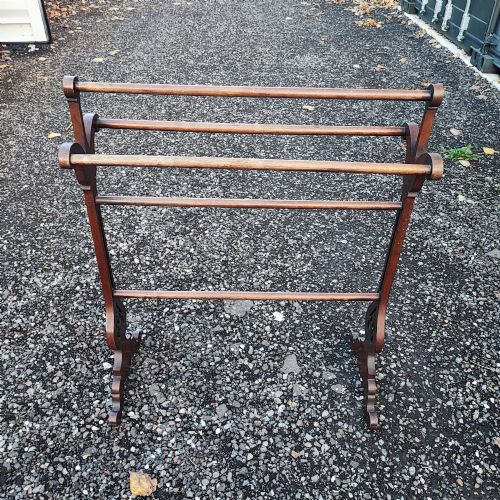
Towel rail stands were essential furnishings in nineteenth-century bedrooms and dressing rooms, providing a dedicated frame for airing linens and drying towels. They were positioned near washstands or fireplaces.
These functional pieces often utilised sturdy hardwood frames and turned uprights to support damp textiles safely. Today, they translate well into bathrooms or bedrooms for hanging textiles.
What distinguishes an Edwardian stand?
Edwardian stands frequently incorporate lighter framing, satinwood inlay and practical multi-tier configurations designed for modern reading habits and decorative displays. Revolving bookcases and small side tables became common.
Makers of this era drew inspiration from earlier Regency and Georgian forms but adapted them for smaller urban homes. The resulting pieces balance decorative refinement with everyday utility.