
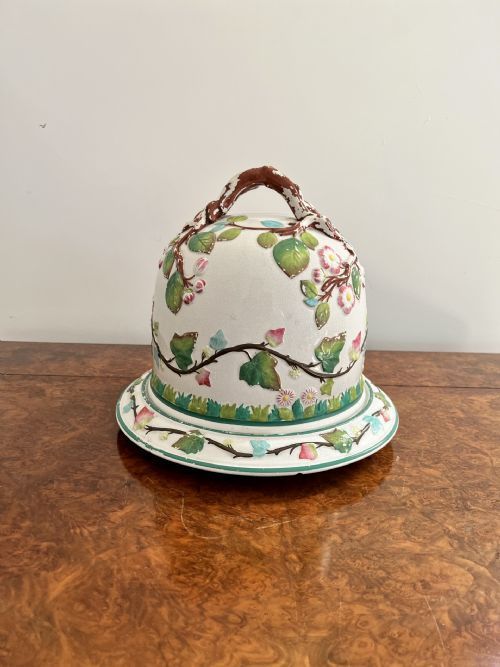


19th Century Cheese Dish
These 19th century cheese dish examples are grand ceramic covers designed to keep cheese fresh at table, prized by collectors for their sculptural presence.
19th Century Cheese Dish
A 19th century cheese dish serves as a covered platter for the dining table, taking the form of a domed cover resting on a circular base plate. These pieces originate from the Victorian period alongside earlier 1800 examples, reflecting the prominence of cheese courses in nineteenth-century dining.
The versions met most frequently on this page include Victorian Majolica designs and large earthenware or stoneware domes. Formats range from standard circular covers to novelty shapes like the Staffordshire cow head, alongside impressive large proportion pieces.
How they were made
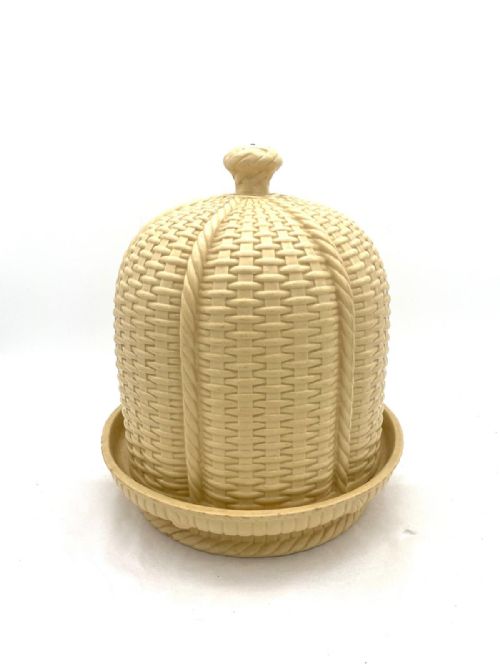
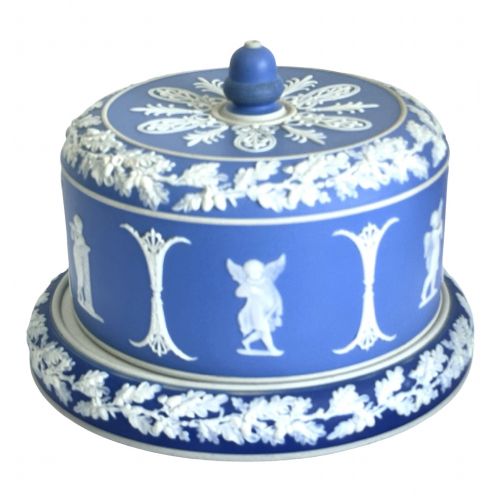
Potters shaped these ceramics from earthenware, stoneware, and jasperware, frequently applying rich coloured glazes to achieve the vibrant tones seen in Majolica wares. Techniques involved moulding intricate surface details such as basket weave textures, alongside hand painting and enamel decoration.
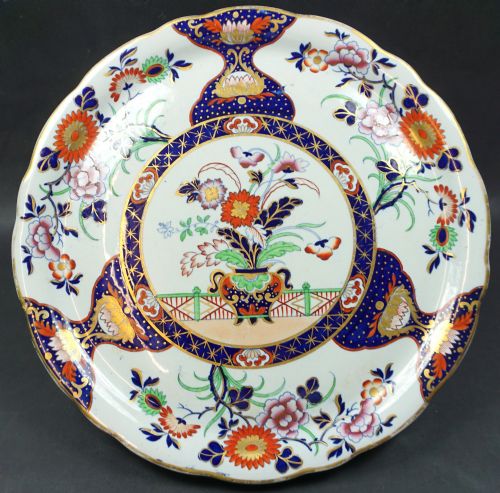
Many examples incorporate delicate gilding and hand-coloured details over the ceramic body. The combination of glazed ceramic bases and fitted domes required precise kiln firing to ensure the covers sat properly on their trays.
Listings feature earthenware, stoneware, and jasperware pieces spanning the Victorian period and earlier 1800s.
What varies in quality
Quality rests in the crispness of the moulded detail and the depth of the glaze, distinguishing standard pottery from ambitious modelled works like cow heads or large jasperware domes. Superior pieces maintain rich, even coloration across both the dome and the matching stand without dull patches in the finish.
The ambition of the form drives the distinction between ordinary utility items and high Victorian showpieces. Pieces bearing clear attribution to known makers like Wedgwood or Hicks & Meigh demonstrate superior ceramic body preparation and refined artistic execution.
Hicks & Meigh·Wedgwood
The 19th Century Cheese Dish Glossary
- Majolica
- A type of earthenware covered with colourful lead-glazed enamels, widely produced during the Victorian era for decorative tableware. This technique allowed for vibrant greens, browns, and yellows moulded into naturalistic plant or animal forms.
- Jasperware
- A fine-grained, unglazed stoneware developed by Wedgwood, typically featuring white applied reliefs against a coloured background. Pieces of this ceramic body display sharp neoclassical or classical motifs.
- Drabware
- A ceramic body coloured in muted greyish-brown or olive tones, popular for utilitarian tableware before the mid-nineteenth century. It provides a quiet, understated backdrop for moulded decorative reliefs like basket weave patterns.
- Cheese dome
- The large, usually bell-shaped cover designed to trap moisture and protect a wheel or wedge of cheese on the dining table. These covers sit upon a flat ceramic plate or stand.
- Earthenware
- Porous pottery fired at lower temperatures than stoneware, requiring a vitreous glaze to hold liquids and resist moisture. It forms the structural body for the majority of coloured Majolica and transfer-printed dishes.
19th Century Cheese Dish: Frequently Asked Questions
What is a 19th century cheese dish?
A 19th century cheese dish is a large ceramic cover and matching tray used in the nineteenth century to store and present cheese at the dining table. These serving pieces protect the cheese while adding a decorative centrepiece to the room.
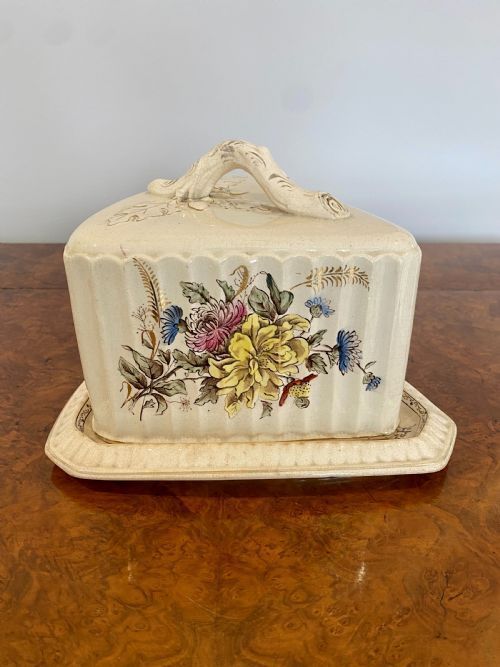
Most examples consist of a domed lid with a handle on top, resting on a flat round plate. They appear in earthenware, stoneware, and Majolica glaze.
How were they used on the table?
These dishes held wedges or small wheels of cheese during the final course of a formal Victorian meal. The heavy ceramic dome kept the cheese moist and contained strong aromas between helpings.
Servants brought the dish to the table where diners could lift the dome to serve themselves. Afterwards, the set returned to the pantry or larder.
How do I clean and care for one?
Care requires gentle hand washing in warm water with mild soap, avoiding harsh scrubbing brushes that might scratch the glaze or delicate gilding. Enamelled and Majolica surfaces demand particular care to preserve their original shine.
Sudden temperature changes should be avoided to protect the old ceramic body from cracking. Patting the piece dry with a soft cloth prevents moisture accumulation.
How can I tell the period?
Dating relies on stylistic clues, ceramic bodies, and any maker marks stamped into the underside of the base plate. Victorian Majolica and drabware point to specific decades within the nineteenth century.
Earlier pieces from firms like Hicks & Meigh display distinct hand-coloured palettes typical of the early 1800s. Weight, glaze thickness, and moulding style further help distinguish different decades.