


Victorian Cheese Bell
A Victorian cheese bell keeps your Stilton fresh while sitting grandly on the dining table.
What a Victorian cheese bell is
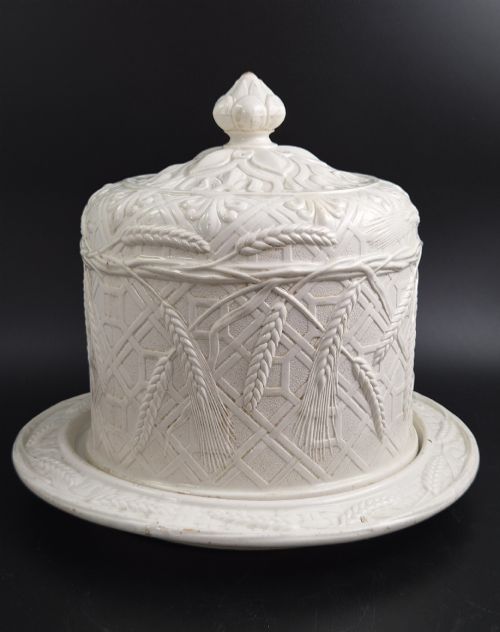
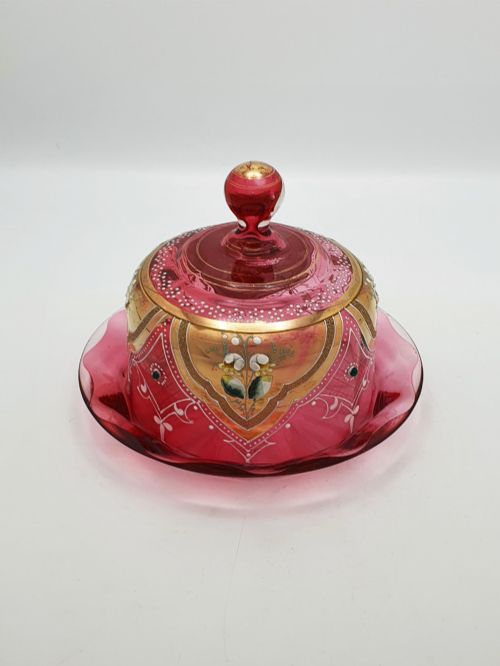
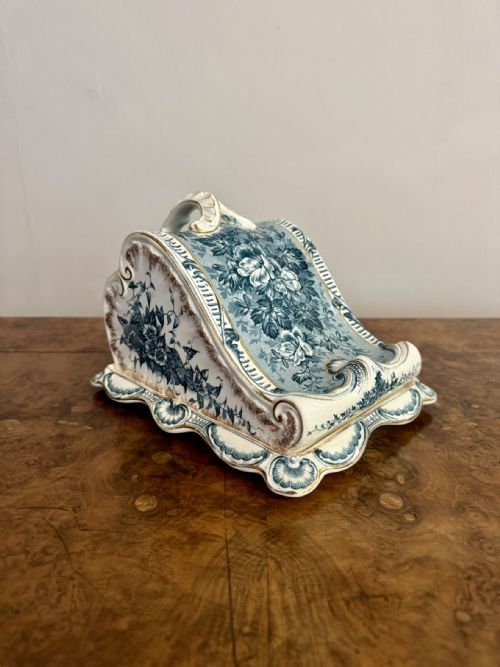
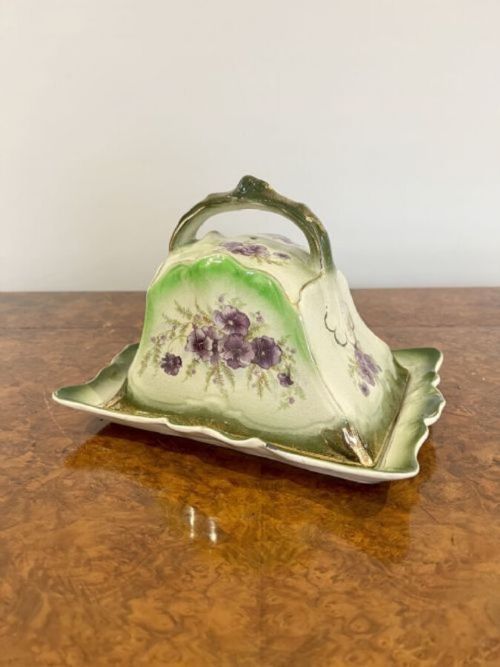
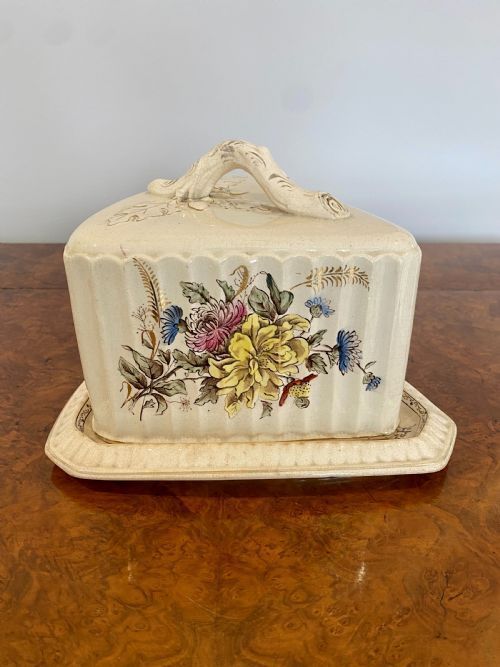
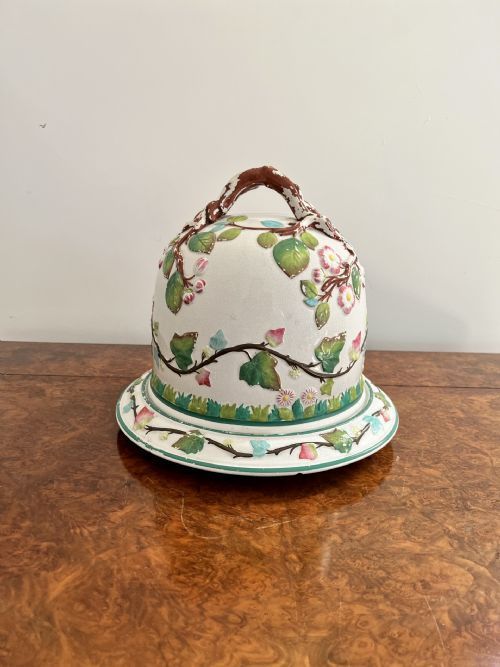
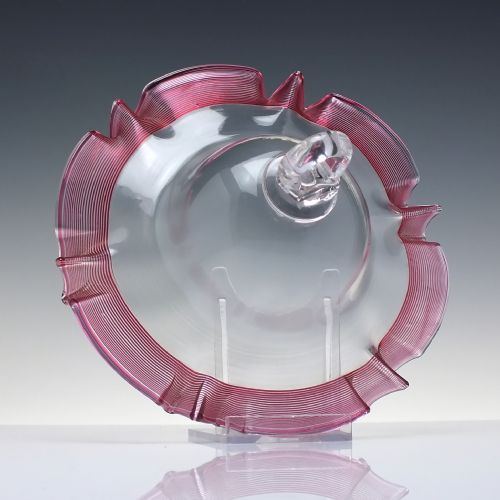
A Victorian cheese bell consists of a domed cover paired with a matching dish or stand, designed specifically to preserve large blocks of cheese. These pieces originate from the late nineteenth century, spanning the Victorian and Edwardian periods.
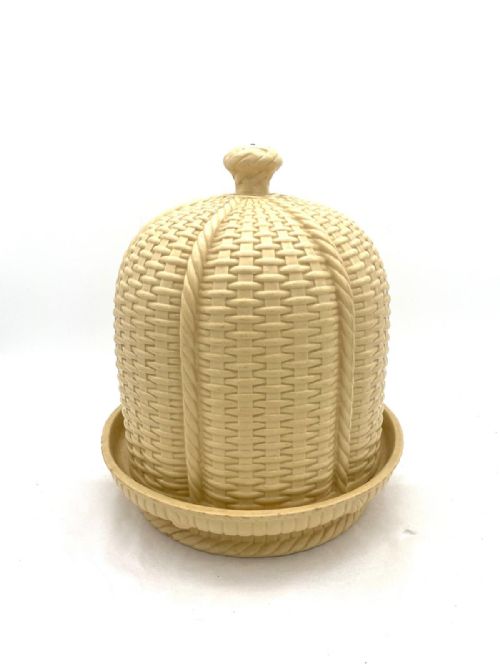
Most examples found here take the form of substantial ceramic domes and matching bases intended for daily dining table use. Collectors encounter varied shapes including tall bell profiles and broad dishes designed for Stilton.
The objects combine practical kitchenware with decorative tabletop presentation, reflecting the domestic habits of nineteenth-century households.
How they were made
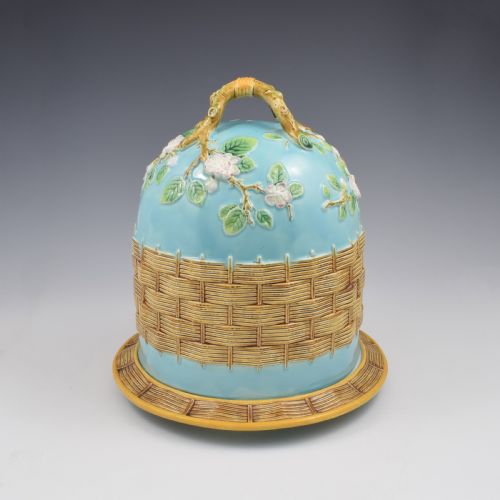
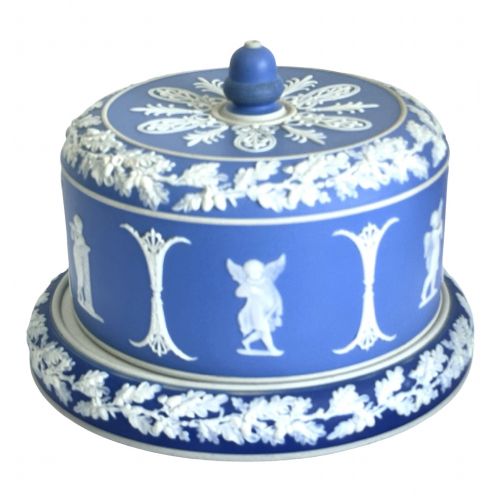
Potters shaped these pieces using earthenware, stoneware, and ceramic bodies, applying glazes to seal the porous clay. Majolica glazes provided rich colour and glossy surfaces, while jasperware offered contrasting matte reliefs.
Decoration involved both hand painting and transfer printing techniques, sometimes enhanced with gilding applied to the ceramic surface before final firing.
Retail Price Guide 2026
Typical UK retail prices for victorian cheese bell, calculated from the Sellingantiques database of over a million retail prices indexed since 2003. This retail price guide relies exclusively on Sellingantiques data; no external sources or auction records are used, so the figures do not describe the wider market.
Materials appearing across these domestic objects include earthenware, stoneware, majolica glaze, and jasperware.
What varies in quality
Quality rests upon the crispness of the moulding and the depth of the glaze, particularly on majolica and jasperware pieces where relief detail defines the surface. Stronger examples display precise application of painted or transfer-printed decoration alongside even glazing.
The presence of an original matching stand significantly elevates an object, as many domes and dishes became separated over decades of domestic use.
James Dudson
The Victorian Cheese Bell Glossary
- Cheese dome
- A domed ceramic cover designed to fit over a dish or stand to protect cheese. These items form the main components of the pieces found here.
- Majolica glaze
- A colourful, glossy lead glaze applied to earthenware during the nineteenth century. It creates vibrant greens, browns, and blues on Victorian pieces.
- Jasperware
- A fine-grained, unglazed stoneware developed to produce contrasting coloured reliefs against a solid background. This technique appears on specific Victorian examples.
- Transfer decoration
- A pattern applied to ceramics by transferring printed ink from an engraved paper sheet onto the clay body. This method allowed for consistent ornamentation across Victorian tableware.
Frequently Asked Questions
What is a Victorian cheese bell?
A Victorian cheese bell is a ceramic cover and matching base used to store and present cheese on the dining table.
These pieces protected large blocks from dust and drying out during nineteenth-century meals.
How were cheese bells used?
Households placed large cheeses such as Stilton on the matching ceramic stand and covered them with the dome.
The cover trapped moisture to keep the cheese edible while displaying it during after-dinner courses.
What materials make up these domes?
Potters manufactured these items using earthenware, stoneware, and ceramic bodies.
Surfaces feature majolica glazes, transfer printing, hand painting, or jasperware relief work.
How do I date a cheese bell?
Dating relies on stylistic clues, ceramic bodies, and manufacturing techniques recorded from the late nineteenth century.
Pieces frequently display characteristics typical of the Victorian and Edwardian eras.