
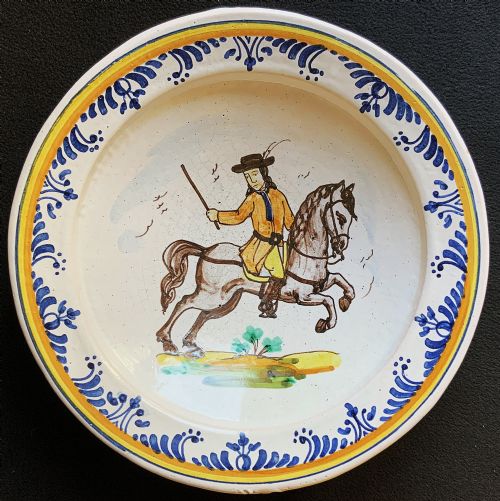


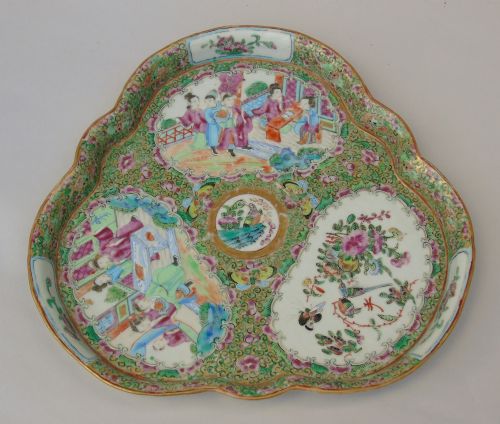
Polychrome Ceramic Serving Plate
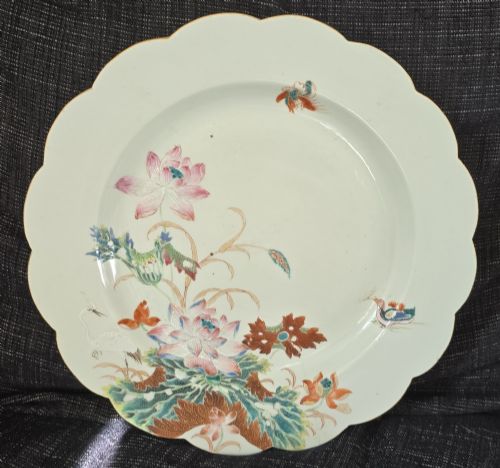
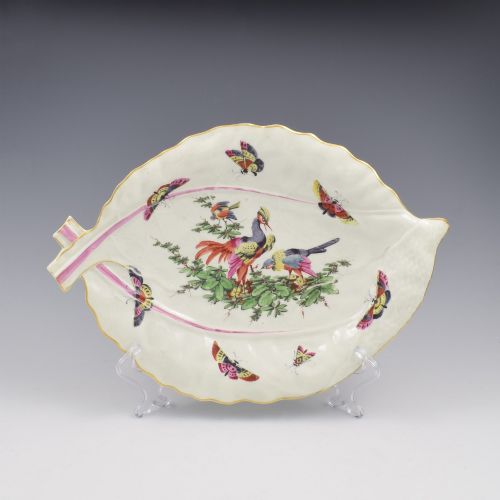
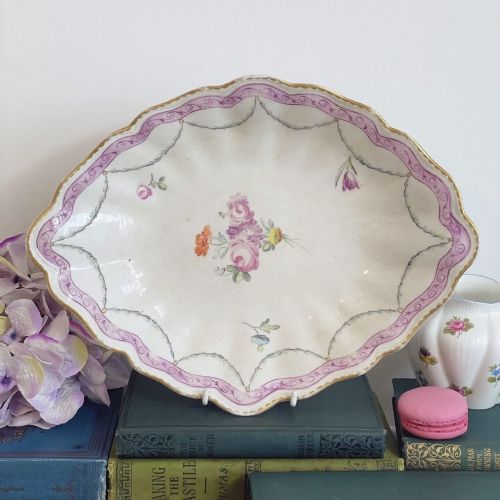
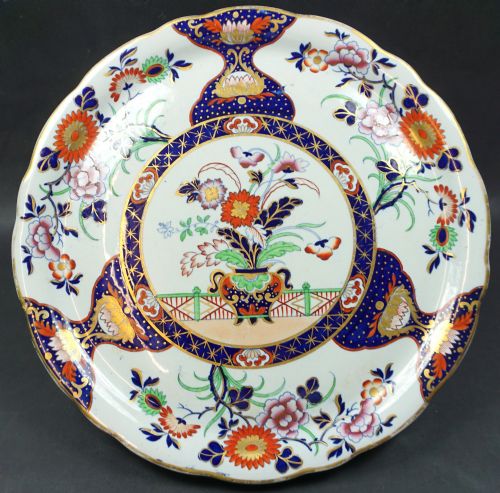
These polychrome ceramic serving plate examples span eighteenth-century English factories and nineteenth-century Chinese export porcelain.
Polychrome Ceramic Serving Plate
A polychrome ceramic serving plate brings together functional tableware and bright handpainted pigments across multiple historical periods. When searching this phrase, a buyer encounters pieces ranging from small lobed dessert dishes to large chargers and meat platters.
The selections here stretch from eighteenth-century English porcelain factories like Worcester and Derby through to nineteenth-century Chinese Canton wares and Victorian ironstone. Forms shift from square lobed dishes and leaf trays to expansive oval meat platters.
Origin points span domestic English potteries, French faience workshops, Dutch delftware hubs, and Asian export production. Each piece offers a distinct ceramic body combined with multi-coloured painted decoration intended for table use.
Materials and methods of production
Makers utilised various ceramic bodies including porcelain, earthenware, ironstone, and faience. These foundations were shaped into platters, dishes, and chargers before receiving hand-applied decoration.
Colour was introduced using enamel paints, hand-coloured glazes, and occasionally gold leaf or gilt highlights. Firing techniques ranged from early grand feu methods to detailed overglaze enamelling seen on export porcelain.
Several heavy country house platters survived decades of Victorian roasts to arrive on modern tables with cheerful painted grasshoppers.
Assessing quality in painted ceramics
Execution of the handpainted details separates standard domestic wares from exceptional factory productions. Precision in floral motifs, bird studies, and figural scenes dictates the upper tier of craftsmanship.
The choice of ceramic body and the preservation of original enamel colours or gilt details also influence the standing of an individual platter or dish.
Derby·Hicks & Meigh·Minton·Mason
The Polychrome Ceramic Serving Plate Glossary
- Polychrome
- Decoration employing several colours painted onto the ceramic surface. This technique brings vibrant visual depth to eighteenth and nineteenth-century plates.
- Ironstone
- A heavy, durable type of earthenware patented in the nineteenth century. It provided a robust body for large meat platters and country house service dishes.
- Charger
- A large decorative or serving plate used historically for grand table displays. These substantial pieces often showcase intricate regional or export designs.
- Enamel
- Glassy coloured pigments fused to the ceramic body during secondary low-temperature firings. Enamels allow for bright, durable hues on porcelain and earthenware.
Polychrome Ceramic Serving Plate: Frequently Asked Questions
How do I date an antique serving plate?
Dating relies on identifying factory marks, stylistic influences such as Chinese Export or Georgian patterns, and the specific ceramic body used. Examining the foot ring and glaze characteristics also clarifies the period of manufacture.
Historical markers like patent dates or documented painter styles help narrow down the decade of production for English and European ceramics.
Can I use these plates for serving food?
Many antique platters and dishes remain structurally sound for modern table service. However, older enamels and gilt highlights require careful hand washing rather than automated cleaning.
Consider the presence of crazing or historical repairs when deciding whether to use a ceramic piece for daily dining or purely for display.
What is the difference between ironstone and porcelain?
Ironstone is a dense, heavy earthenware designed for everyday durability and large meat dishes. Porcelain is a finer, vitrified ceramic material that often exhibits translucency when held to the light.
Porcelain wares like those from Worcester or Derby generally received delicate overglaze painting, whereas ironstone suited robust transfer-printed or hand-coloured country house patterns.
How do I display a large ceramic charger?
Large chargers and platters require sturdy wall mounts or stable plate stands designed to support heavier earthenware and porcelain weights. Ensure the display location avoids direct sunlight and heavy foot traffic.
Grouping platters by palette, such as matching manganese delftware with blue and white export pieces, creates a balanced wall or cabinet arrangement.