






Imari Floral Ceramic Plate
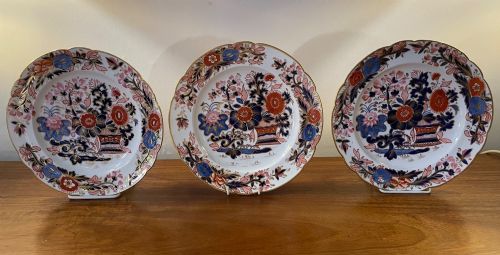
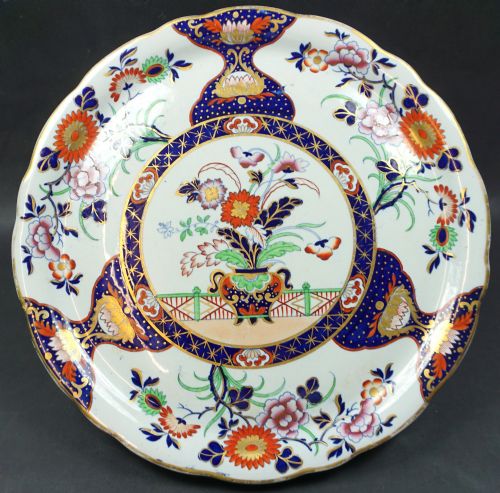
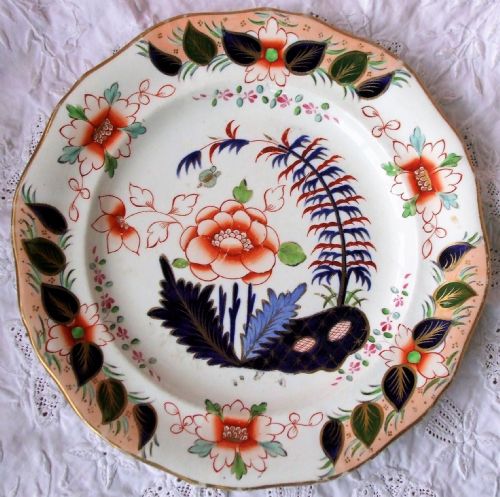
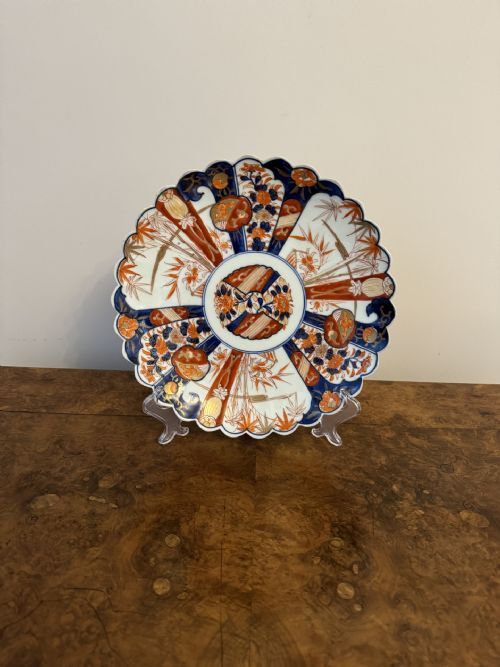
These imari floral ceramic plate examples combine traditional Far Eastern palettes with British ironstone and porcelain forms for striking interior display.

Imari Floral Ceramic Plate
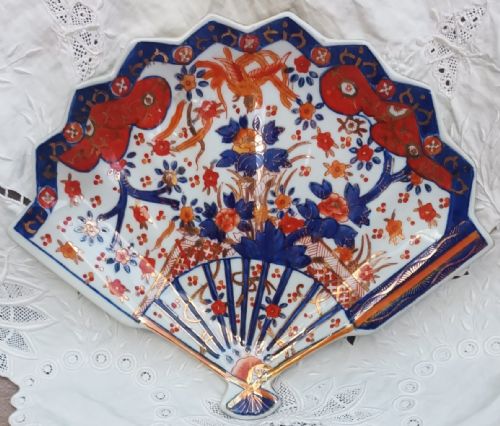
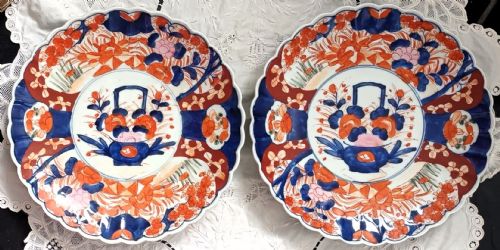
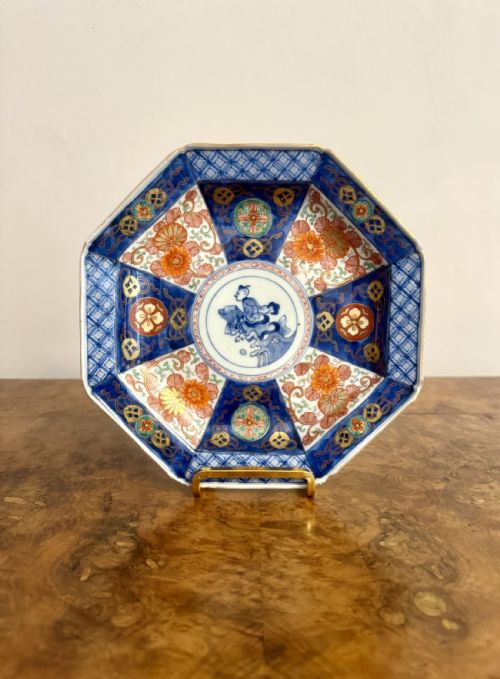
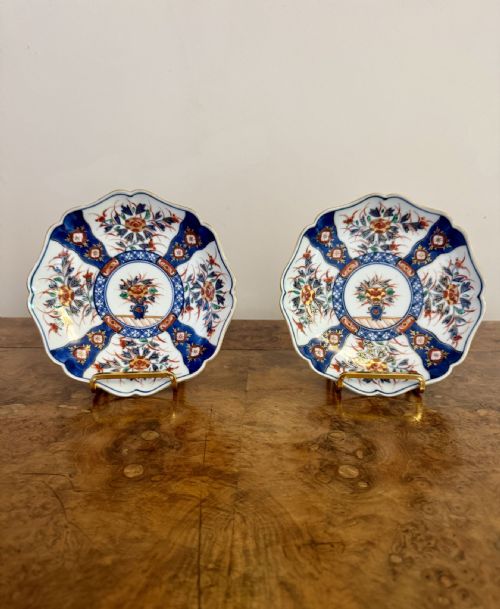
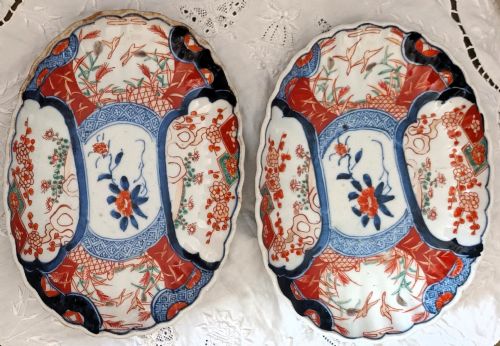
An imari floral ceramic plate brings together distinct decorative traditions across various historical periods, ranging from eighteenth-century pieces to twentieth-century examples. The selection encountered on this page spans Japanese Arita porcelain and English ironstone copies produced in Staffordshire.
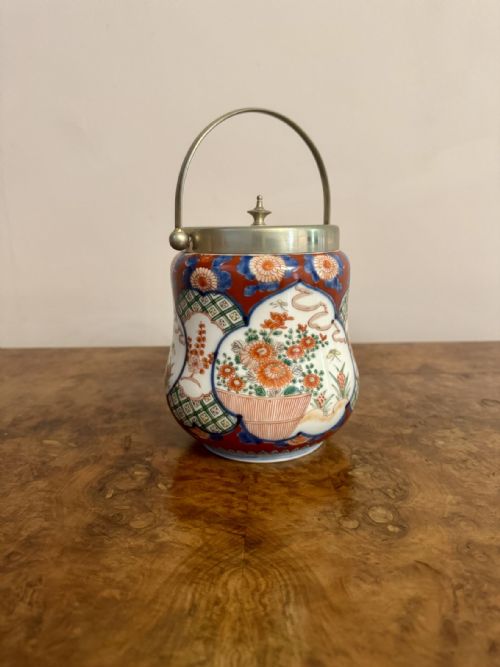
Forms vary from standard flat plates and scalloped dishes to large wall chargers and serving platters. Buyers will also discover related serving pieces such as biscuit barrels and soup bowls utilising the same palette.
Origins divide clearly between imported wares from the Japanese Edo and Meiji periods and domestic British interpretations created by makers like John Davenport and Hicks & Meigh. Both traditions rely on strong visual impact for display purposes.
Materials and production methods
Potters constructed these objects using hard-paste porcelain, ceramic bodies, and dense ironstone, applying underglaze blue and overglaze enamel colours. Artisans frequently integrated gold leaf and gilt highlights to enrich the decorative surface.
Decoration involved meticulous hand painting of floral and bird motifs across charger plates and display dishes. Kiln firing fixed the cobalt blue beneath the glaze before enamel painting and gilding took place in subsequent firings.
Several plates feature surprisingly aggressive poultry and game birds hiding modestly among otherwise peaceful Japanese floral branches.
Assessing visual and physical standard
Quality rests in the crispness of the hand-painted brushwork and the vibrancy of the enamel and gilt application. Pieces displaying complex floral and bird compositions show greater artisan control than simpler repetitive patterns.
The weight and finish of the ceramic or ironstone body dictate durability and presence, particularly on large chargers and serving platters. Intricate edge shaping, such as scalloped or hexagonal moulding, demands higher technical skill from the potter.
Hicks & Meigh·John Davenport
The Imari Floral Ceramic Plate Glossary
- Imari palette
- A traditional decorative scheme utilising cobalt blue, iron red, and gold as primary colours. This palette originated in Japan and was later adopted by European potteries.
- Ironstone
- A heavy, durable type of earthenware patented in the nineteenth century. It served as a robust alternative to porcelain for domestic and decorative wares.
- Charger
- A large decorative plate intended for wall hanging or display on a sideboard rather than dining use. These pieces often measure significantly wider than standard tableware.
- Meiji Period
- A Japanese historical era spanning from eighteen sixty-eight to nineteen twelve. Works from this time demonstrate refined porcelain bodies and detailed hand-painted enamel designs.
- Arita
- A Japanese town famous for its porcelain production. Kilns in this region created the original wares that inspired European imari designs.
Imari Floral Ceramic Plate: Frequently Asked Questions
How do I hang a heavy charger?
Large chargers require specialised wall brackets or spring-loaded wire plate hangers designed to distribute weight evenly across the ceramic body.
Ensure the mounting fixture secures firmly into wall studs to support the substantial weight of nineteenth-century porcelain and ironstone chargers safely.
Are these plates safe for food?
Historic decorative plates often feature overglaze enamels and gilding containing metallic compounds that can degrade with acidic foods and regular washing.
Displaying these pieces on walls or in cabinets preserves the delicate hand-painted surfaces from wear and potential chemical damage.
How do I distinguish Japanese from English imari?
Japanese examples typically utilise translucent porcelain bodies with characteristic foot rims and distinctively fine cobalt blue underglazing.
English interpretations by comparison often employ heavier ironstone or dense ceramic bodies with opaque glazes and distinct Staffordshire potting marks.
What is the difference between a plate and a charger?
Plates are generally sized for dining or individual serving, whereas chargers measure considerably larger and function primarily as decorative display pieces.
Chargers frequently feature more elaborate hand-painted floral and bird motifs intended to command attention on a wall or sideboard.