



Antique Arita Ware Plate
An antique arita ware plate brings centuries of Japanese ceramic skill to the table, offering painted porcelain forms that collectors prize for their intricate palettes.

Antique Arita Ware Plate
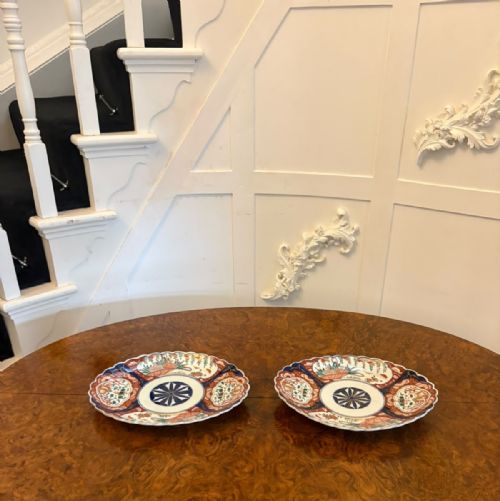
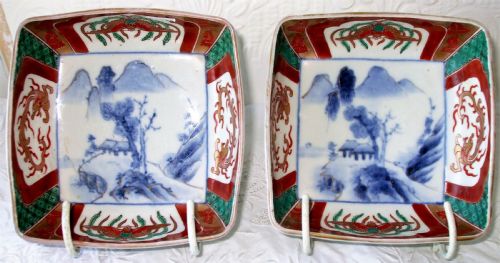
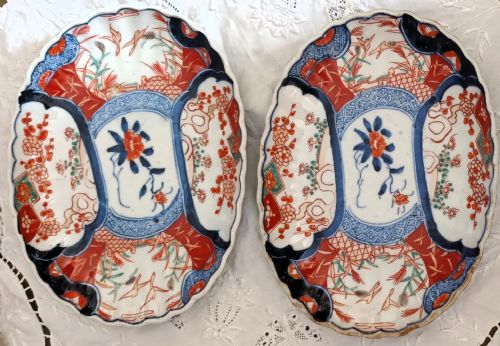
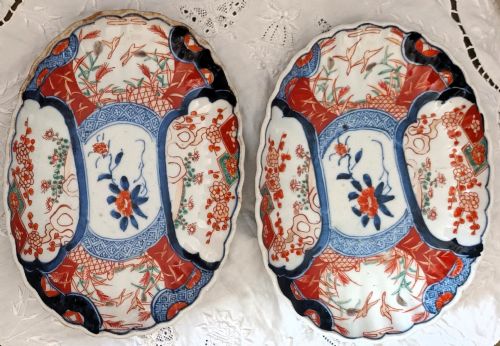
An antique arita ware plate embodies the historical ceramic output of the Hizen province, spanning production periods from the seventeenth century through to the early twentieth century. These pieces appear in numerous forms, including large chargers, oval dishes, hexagonal plates, fan shapes, and clam shell vessels.
The specimens most commonly met on this page date from the Meiji period around nineteen hundred, alongside examples from the earlier Edo period. Buyers encounter both blue and white designs and polychrome Imari colourways featuring floral and bird motifs.
Materials and Techniques
The foundation of every piece is hard-paste porcelain, shaped by hand or on the wheel before receiving cobalt underglaze decoration painted directly onto the clay body. Artisans then applied transparent glaze and fired the ceramic at high temperatures to achieve a vitrified finish.
Many items incorporate enamel glaze, gilding, and gold leaf applied over the initial glaze layer, which required a secondary, lower-temperature firing to bond the decorative pigments to the surface.
The listings here feature porcelain pieces spanning from the seventeenth century through the Meiji period, utilising cobalt underglaze and enamel.
Distinctions in Quality
The standard of an antique arita ware plate rests on the precision of the hand-painted brushwork and the clarity of the cobalt underglaze or the vibrancy of the overlying enamel colours. Pieces with complex geometries, such as fan shapes, hexagonal edges, or moulded shell forms, demonstrate greater technical ambition from the potter.
The crispness of the porcelain body and the balance of the composition across the surface distinguish the finest chargers and dishes from standard utilitarian wares.
The Antique Arita Ware Plate Glossary
- Arita
- A Japanese town in Hizen province renowned as the birth-place of Japanese porcelain production. Kilns here supplied domestic and export markets for centuries.
- Imari
- A style of Japanese export porcelain characterised by a palette of cobalt blue, iron red, and gold. Items were shipped from the port of Imari to European markets.
- Edo Period
- The historical period in Japan lasting from sixteen hundred and three to eighteen hundred and sixty-eight. This era encompasses the early development of refined Arita wares.
- Meiji Period
- The era of Japanese history running from eighteen hundred and sixty-eight to nineteen hundred and twelve. Production during this time often catered to Western demand with decorative chargers and dishes.
Antique Arita Ware Plate: Frequently Asked Questions
How do I identify an Edo period piece?
Edo period items typically exhibit earlier stylistic markers such as looser cobalt blue brushwork or simpler forms associated with seventeenth and eighteenth-century production.
Examining the foot ring and the purity of the porcelain paste helps differentiate these earlier pieces from Meiji period equivalents.
What is the difference between Imari and blue and white Arita?
Blue and white Arita relies solely on cobalt underglaze painted directly onto the white porcelain body before glazing and firing.
Imari pieces add secondary enamel colours like iron red and gold over the glaze, creating a much richer palette.
Can I use these plates for serving food?
Most antique plates serve primarily as decorative chargers and display dishes rather than functional tableware. Washing them by hand protects the delicate overglaze enamels and gilding from detergent damage.
Display stands or wall mounting brackets allow safe exhibition in the home.
Why do some plates have unusual shapes?
Potters shaped dishes into fans, hexagons, squares, and clam shells to mimic natural forms and appeal to aesthetic preferences in tea ceremonies and formal dining.
These moulded variations required higher technical skill during firing to prevent warping.