





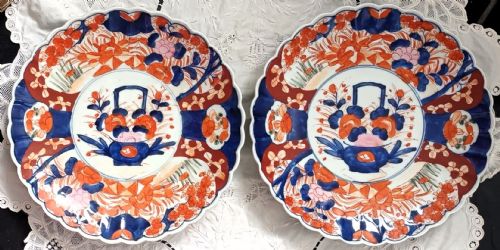
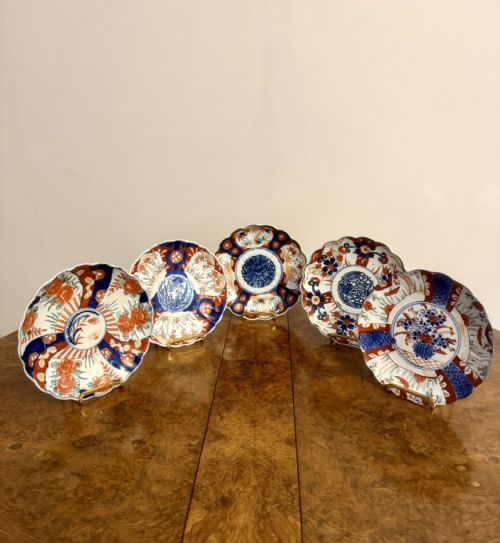
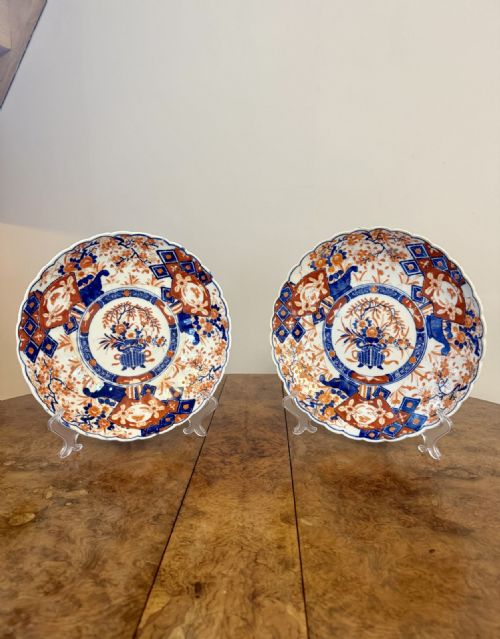
Antique Imari Decorative Plate
An antique imari decorative plate brings bold cobalt blue and rich iron red ironmongery into a room, offering centuries of ceramic history for modern display.

Antique Imari Decorative Plate
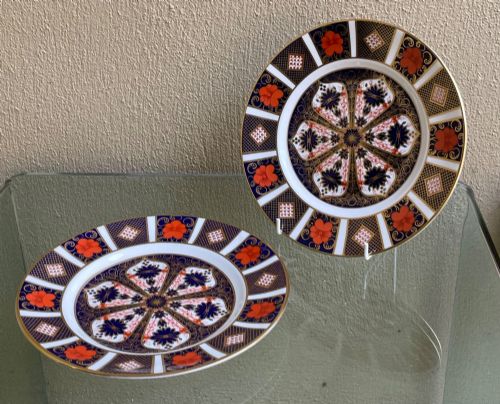
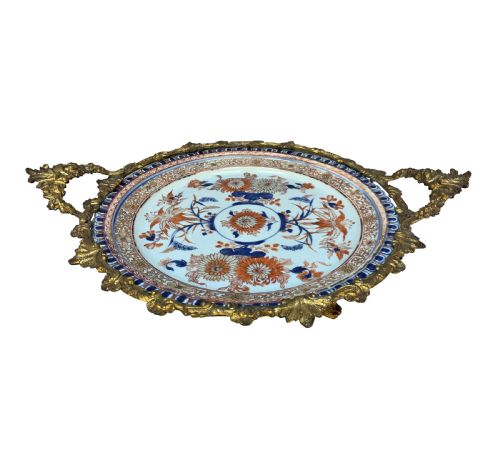
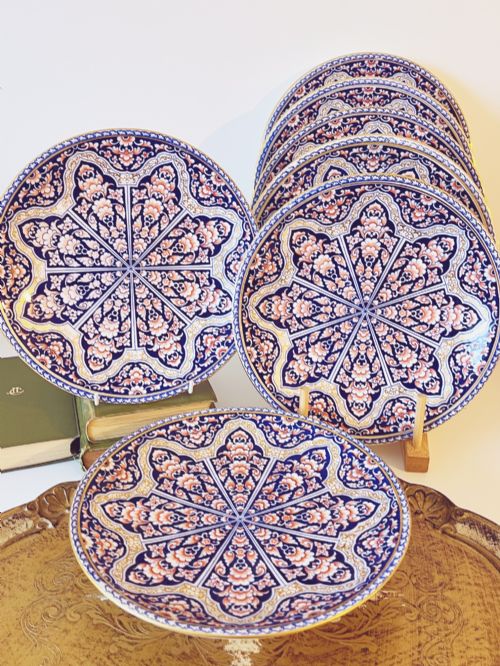
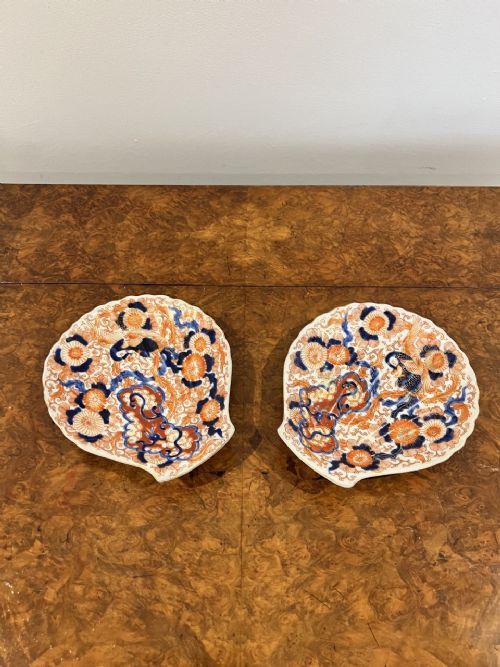
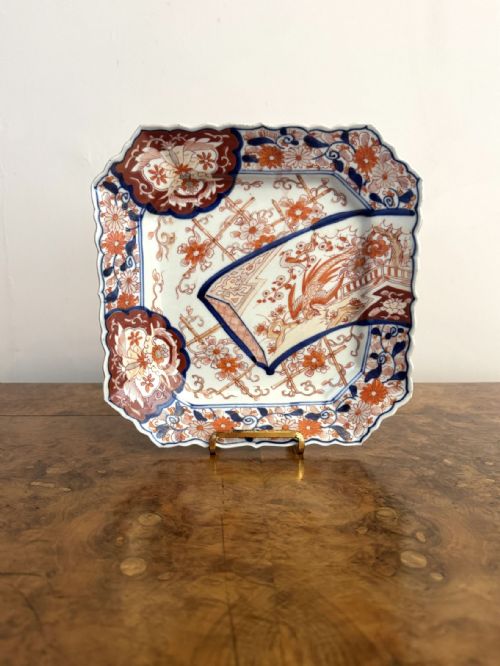
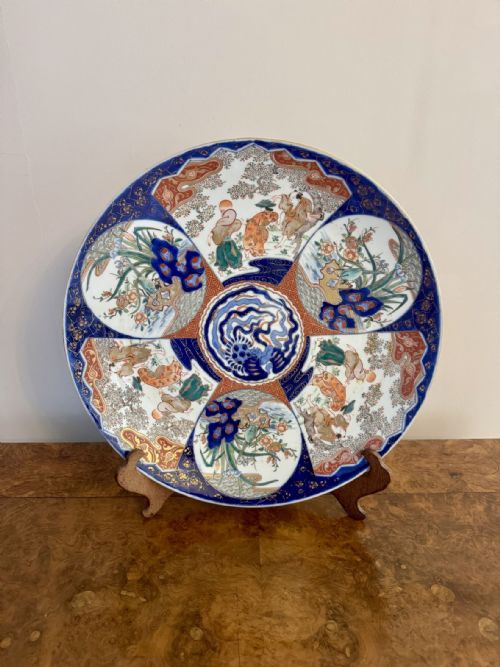
An antique imari decorative plate embodies a distinctive visual tradition shared between Japanese origins and subsequent English interpretations. When searching for an antique imari decorative plate, buyers encounter pieces ranging from standard round serving forms to scalloped edges, square formats, and large chargers.
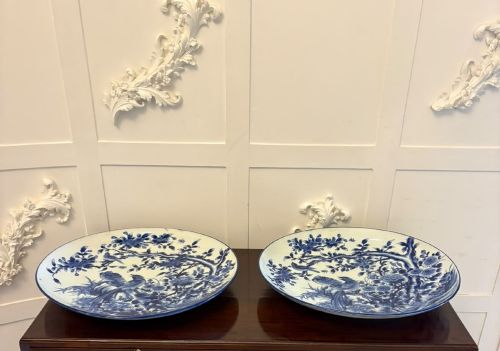
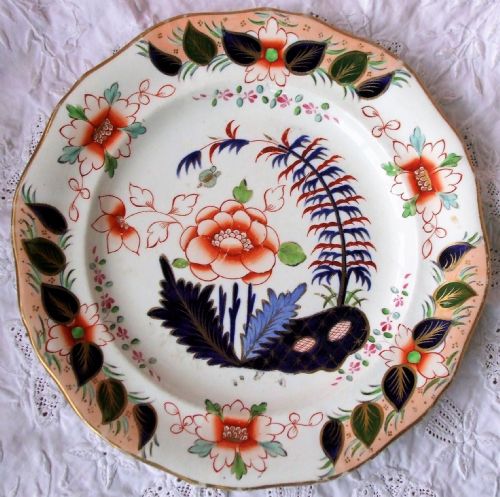
The selections span centuries, incorporating pieces from the Edo and Meiji periods alongside eighteenth-century Chinese export iterations and nineteenth-century English ironstone adaptations. Round decorative dishes and large wall chargers dominate the offerings, frequently featuring hand-painted floral and bird motifs.
English potteries also produced ironstone and bone china services emulating the palette, yielding dessert services and individual display dishes. These domestic interpretations sit alongside imported porcelain from Arita, providing varied choices for display.
Materials and methods of manufacture
Potters utilised hard-paste porcelain and ironstone as the primary ceramic bodies, shaping them into plates, chargers, and specialised forms like shell dishes and square trays. Cobalt underglaze was applied directly to the body before the initial firing to establish the deep blue foundation of the design.
Enamel colours, predominantly iron red alongside supplementary pigments, were painted over the glaze in subsequent decorating stages. Artisans frequently integrated gold leaf or gilt highlights to accentuate the intricate patterns, which were then fixed in a lower-temperature muffle kiln.
Several plates depict the Seven Lucky Gods sharing space with native Japanese birds and sprawling floral arrangements.
Assessing quality in decorative ceramics
Execution of the hand-painted brushwork distinguishes superior examples from standard production, as master painters achieved greater detail in floral, bird, and figural scenes. The crispness of the cobalt underglaze and the precise registration of the overglaze enamels indicate the skill involved in the firing process.
The integrity of the ceramic body and the preservation of the gilding and enamel colours dictate the overall standing of a piece. Plates retaining rich, unrubbed gold leaf and vibrant iron red pigments demonstrate superior survival through successive generations.
John Davenport of Longport·Royal Crown Derby·John Ridgway
The Antique Imari Decorative Plate Glossary
- Imari
- A style of ceramic decoration originating in Japan, characterised by a palette of cobalt blue, iron red, and gilt. The name derives from the port from which these wares were shipped to Europe.
- Charger
- A large decorative plate or dish, typically measuring over twelve inches in diameter. These pieces were primarily intended for display on buffets or walls rather than dining use.
- Underglaze
- Pigment applied to an unglazed ceramic body before the application of a liquid glaze and firing. Cobalt is the most stable and common pigment utilised in this manner.
- Ironstone
- A type of durable earthenware patented in the nineteenth century by English manufacturers. It offered a robust alternative to porcelain while accepting similar enamelled decoration.
- Meiji
- A period in Japanese history spanning from 1868 to 1912, associated with increased export of decorative arts to Western markets. Many surviving decorative plates date from this era.
Antique Imari Decorative Plate: Frequently Asked Questions
How were these plates used historically?
Large chargers and decorative plates were primarily utilised for display on sideboards, walls, or mantelpieces in wealthy households. Smaller iterations formed part of dessert services used for formal dining.
Over time, many of these items transitioned from functional tableware into purely decorative objects. Their striking palettes made them central elements of interior decoration in both Japanese and European interiors.
How do I distinguish Japanese from English imari?
Japanese examples, particularly from the Edo and Meiji periods, typically utilise fine porcelain bodies and hand-painted motifs depicting traditional flora, fauna, and figures such as the Seven Lucky Gods. The brushwork tends to exhibit distinct regional artistic conventions.
English interpretations, produced by firms like Royal Crown Derby or Davenport, frequently employ ironstone or bone china. These pieces adapt the traditional palette onto shapes suited to Western dining habits, often incorporating specific factory date marks.
Can these decorative plates be hung on walls?
Many chargers and plates feature proportions suitable for wall display, provided that appropriate, non-damaging wire hangers are utilised. Care must be taken to secure the piece safely without placing undue pressure on the rim.
Displaying pieces on walls keeps them away from high-traffic surfaces where accidental knocks might occur. It also allows the intricate cobalt and iron red patterns to be viewed at eye level.
How do I care for antique ceramic plates?
Cleaning should be restricted to gentle dusting with a soft, dry cloth to protect the delicate overglaze enamels and gilding. Harsh cleaning agents or immersion in water should be avoided, particularly for pieces with gilt highlights.
Displaying the items out of direct sunlight prevents the fading of iron red enamels over time. Stable ambient temperatures further protect the ceramic body from thermal shock.