





Blue and Red Porcelain Plate
A blue and red porcelain plate brings rich cobalt and iron-red tones together in decorative ceramic forms.
Blue and Red Porcelain Plate
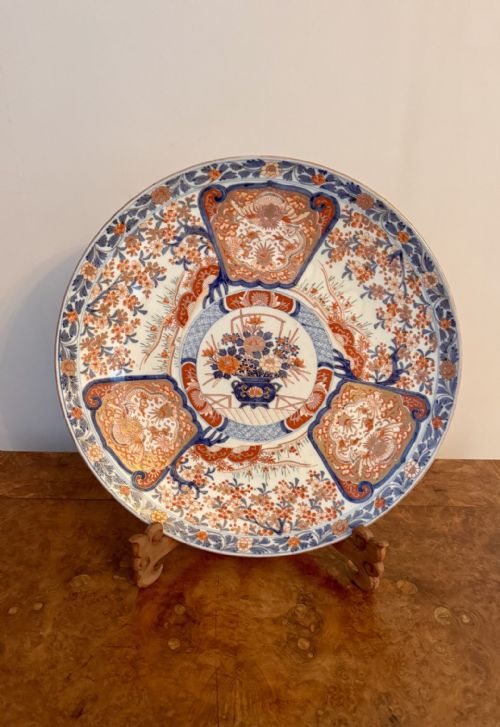
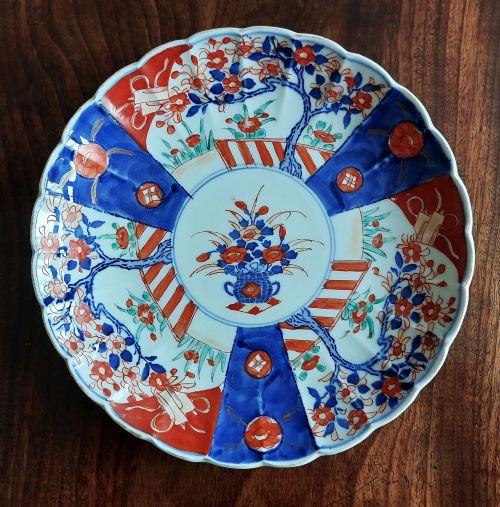
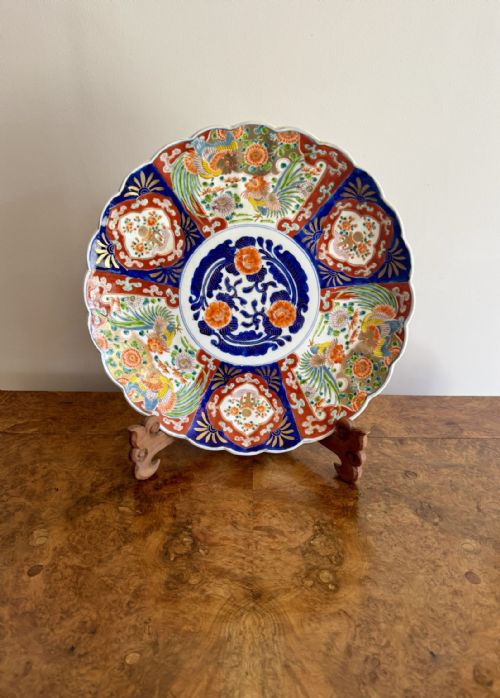
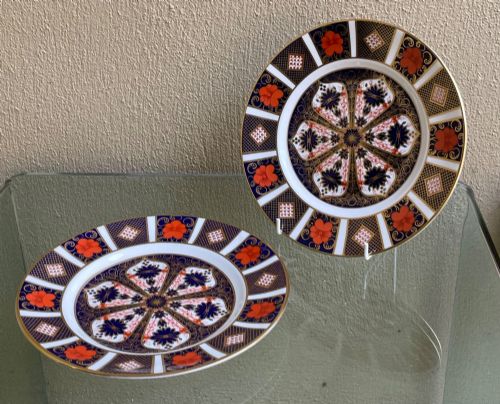
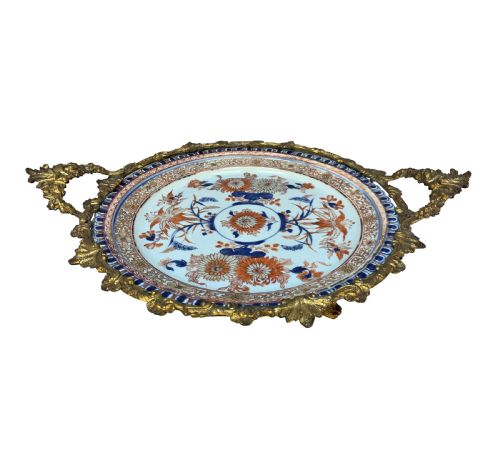
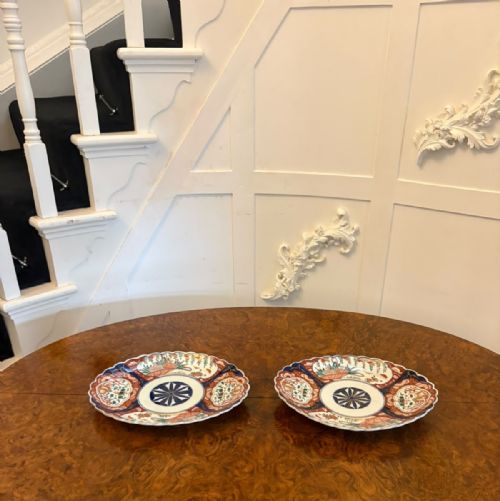
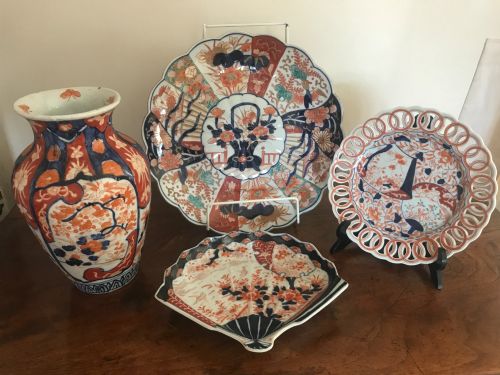
A blue and red porcelain plate selection spans eighteenth century origins through to mid twentieth century pieces, dominated by Japanese Imari styles from the Meiji period and late nineteenth century. These items appear as chargers, serving dishes, scalloped dishes, and square or hexagonal display plates.
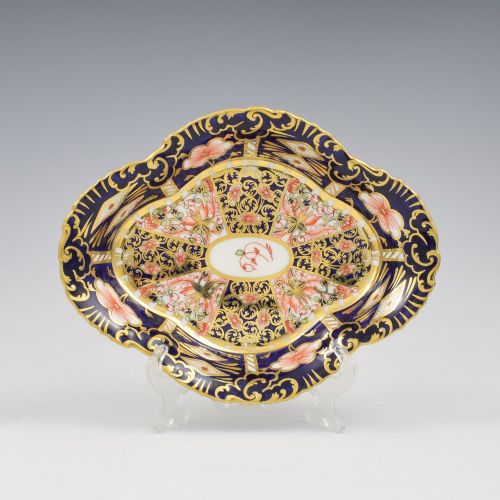
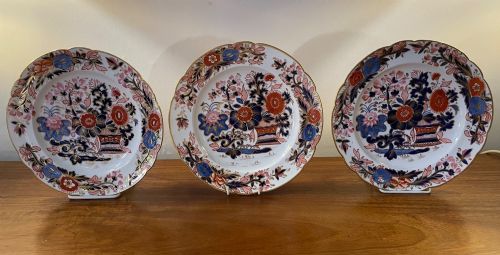
Buyers frequently encounter Japanese Imari ceramics alongside English iterations from factories such as Bow and Royal Crown Derby, together with Staffordshire and Wedgwood examples utilising the Imari palette.
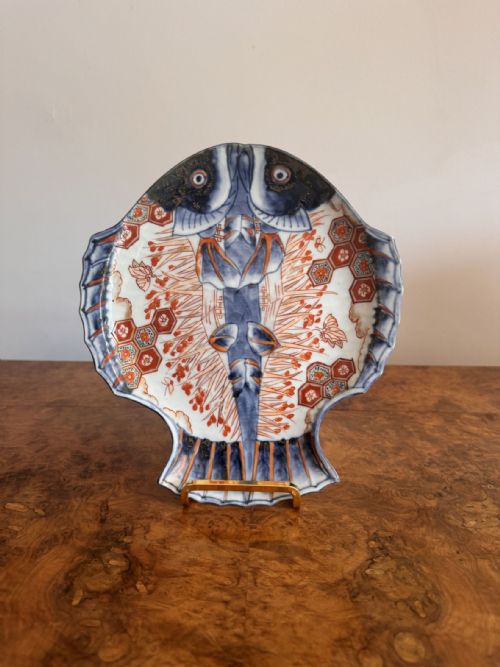
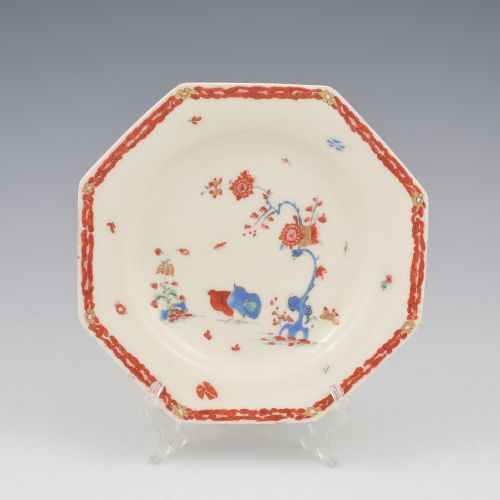
Forms range from standard round plates to fish-shaped dishes, deep lobed serving pieces, and octagonal plates decorated with floral and bird motifs.
Materials and production methods
Pieces combine hard-paste or soft-paste porcelain and bone china bodies with underglaze cobalt blue and overglaze iron-red enamel, often accented with gilding, gold leaf, and gold gilt.
Hand-painted techniques define the decoration, applying glaze to ceramic bases before secondary firing fixes the polychrome enamels and metallic highlights.
Listings span from the eighteenth century to the mid twentieth century, featuring porcelain, enamel, gold leaf, and glaze across Japanese Imari and English styles.
Markers of quality
Quality rests upon the crispness of the hand-painted brushwork in the blue and red pigments, the precision of the glaze finish, and the preservation of any applied gold leaf or gilding.
Structural complexity such as scalloped edges, hexagonal or octagonal moulding, and unusual forms like fish-shaped dishes indicate higher ambition in the ceramic moulding process.
Royal Crown Derby·Bow Porcelain·Wedgwood
The Blue and Red Porcelain Plate Glossary
- Imari style
- A decorative scheme originating in Japan and copied in Europe, characterised by a palette of underglaze blue, iron-red enamel, and gold highlights.
- Charger
- A large decorative plate or dish intended for display on a wall or sideboard rather than daily dining use.
- Meiji period
- The era of Japanese history spanning from 1868 to 1912, known for prolific ceramic production for export.
- Bone china
- A type of soft-paste porcelain containing bone ash, developed in England to create a strong, bright white ceramic body.
- Enamel
- Opaque glass fused to the surface of fired porcelain during a secondary low-temperature firing to add vibrant colours like iron-red.
Blue and Red Porcelain Plate: Frequently Asked Questions
How are antique Imari plates dated?
Dating relies on stylistic markers, potting techniques, and historical periods such as the Meiji era or the eighteenth century.
Evidence from porcelain bodies and kiln marks helps distinguish Japanese export wares from later English interpretations.
Can these decorative plates be used for food?
Most antique chargers and display plates are intended for decorative presentation rather than active culinary service.
Overglaze enamel and gold leaf decorations can wear away with frequent washing and acidic foods.
What is the Imari palette?
The palette combines deep underglaze cobalt blue with contrasting iron-red enamel and gold details.
This distinct colour combination was popularised by Japanese kilns and later adopted by European potteries.
How should decorative chargers be displayed?
Chargers and wall plates require sturdy plate hangers or dedicated stands designed to support their weight securely.
Placement away from direct sunlight protects the overglaze enamels and gilded surfaces from fading over time.