

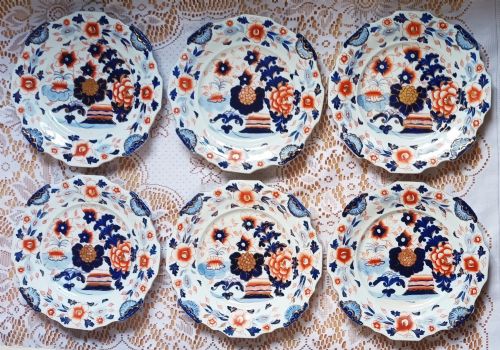


Imari Floral Pattern Plate
These imari floral pattern plate examples span Japanese porcelain and English ironstone, offering bold palettes and rich historic character for your table.
Imari Floral Pattern Plate
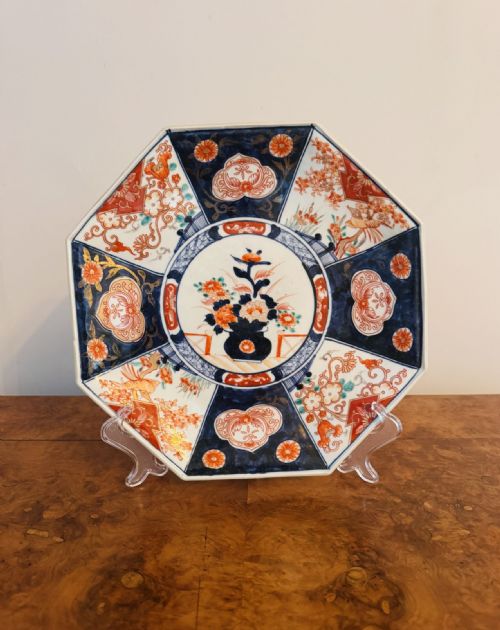
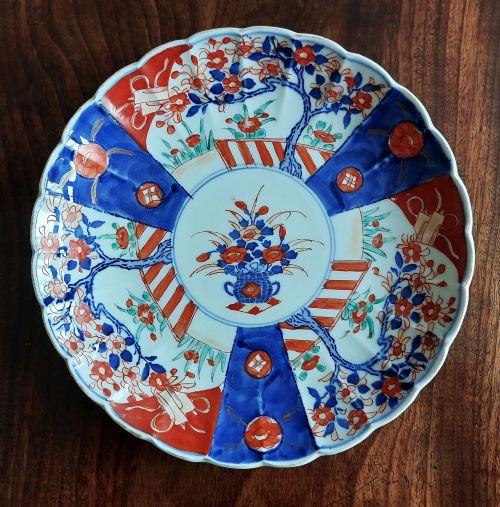
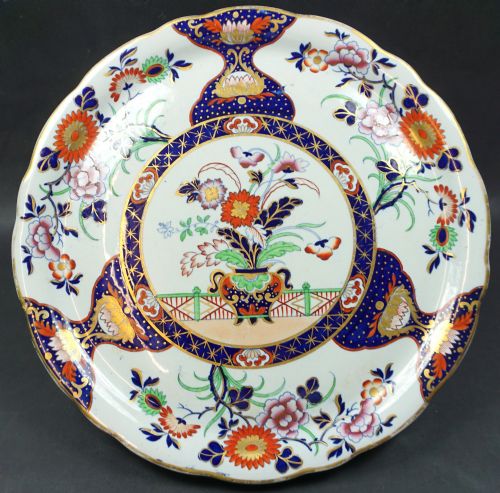
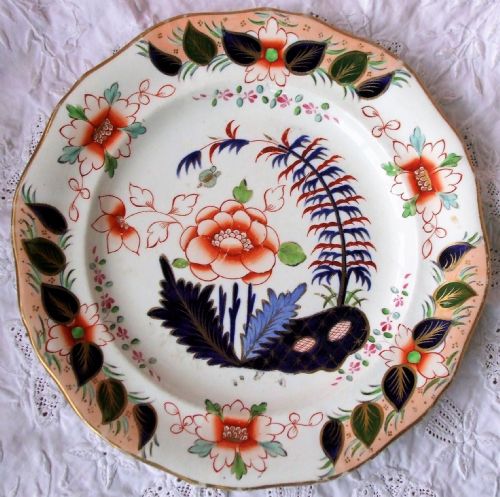
An imari floral pattern plate brings together traditional East Asian aesthetics and European adaptations, featuring prominently in Japanese porcelain and English ironstone production. When searching for an imari floral pattern plate, you encounter items ranging from Meiji period Japanese originals to early nineteenth-century Staffordshire and Georgian earthenware pieces.
The forms vary across decorative dishes, scalloped edge serving pieces, and dessert plates. These items serve both functional dining purposes and ornamental display roles within traditional and eclectic interiors.
How they were made
Potters shaped porcelain, ironstone, and earthenware bodies before applying hand coloured enamel pigments and glaze. Artisans integrated cobalt blue underglazes with iron red details and gold leaf or gilding highlights to create the distinct palette.
Firing techniques varied between the high-temperature kilns of Japan and the industrial potteries of nineteenth-century England. Ironstone versions provided a durable ceramic body suitable for heavy service use, whilst porcelain pieces prioritized refined thinness.
Makers sometimes named patterns whimsically, such as the Bengal Tiger design.
What varies in quality
The precision of the hand painting separates standard production from superior examples, with finer brushwork showing deliberate control in floral and geometric motifs. Crisp application of gold leaf and enamel depth dictate the visual richness of the surface.
Body integrity and glaze preservation define the condition hierarchy across these wares. Pieces retaining clear cobalt tones without fading or rubbing demonstrate careful historical handling.
Hicks & Meigh·John Davenport of Longport·John Ridgway·Minton
The Imari Floral Pattern Plate Glossary
- Imari palette
- A decorative colour scheme traditionally employing cobalt blue, iron red, and gold leaf. This combination originates from Japanese export porcelain and heavily influences European ceramic design.
- Ironstone
- A heavy, durable type of earthenware patented in the nineteenth century. It provides strong resistance to chipping and served as a robust base for complex transfer-printed and hand-painted patterns.
- Meiji Period
- The era of Japanese history spanning from 1868 to 1912. Items from this time often exhibit detailed craftsmanship intended for international export markets.
- Scalloped edge
- A decorative rim shaped into a series of continuous curves. This technique adds textural interest to plates and serving dishes.
- Enamel
- Opaque vitreous material fused to the ceramic surface during a secondary low-temperature firing. It supplies the vibrant reds, greens, and yellows found in traditional patterns.
Imari Floral Pattern Plate: Frequently Asked Questions
Are these plates safe for dining?
Many nineteenth-century and earlier pieces contain historic glazes that may not meet modern food safety standards. Assess each item individually for glaze stability and surface wear before serving food.
Displaying them on walls or using them for dry presentation remains a common choice for collectors.
How do I distinguish Japanese from English pieces?
Japanese examples typically utilise fine porcelain bodies with translucent qualities and traditional motifs. English versions often employ heavier ironstone or earthenware with distinct manufacturer marks.
Examining the foot ring and weight provides further clues regarding origin and period.
Can I display these plates on a wall?
Hanging these items is a popular way to showcase vibrant patterns and scalloped edges. Use coated wire hangers designed specifically for antique plates to prevent rim damage.
Ensure the wall mounting securely supports the weight, particularly with heavy ironstone dishes.