



18th Century Japanese Ceramics
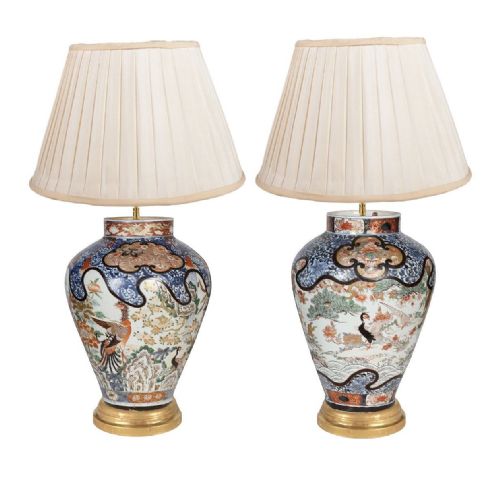
These 18th century japanese ceramics bring hand-painted porcelain bowls, chargers, and vases from the Edo period directly into your home.
18th Century Japanese Ceramics
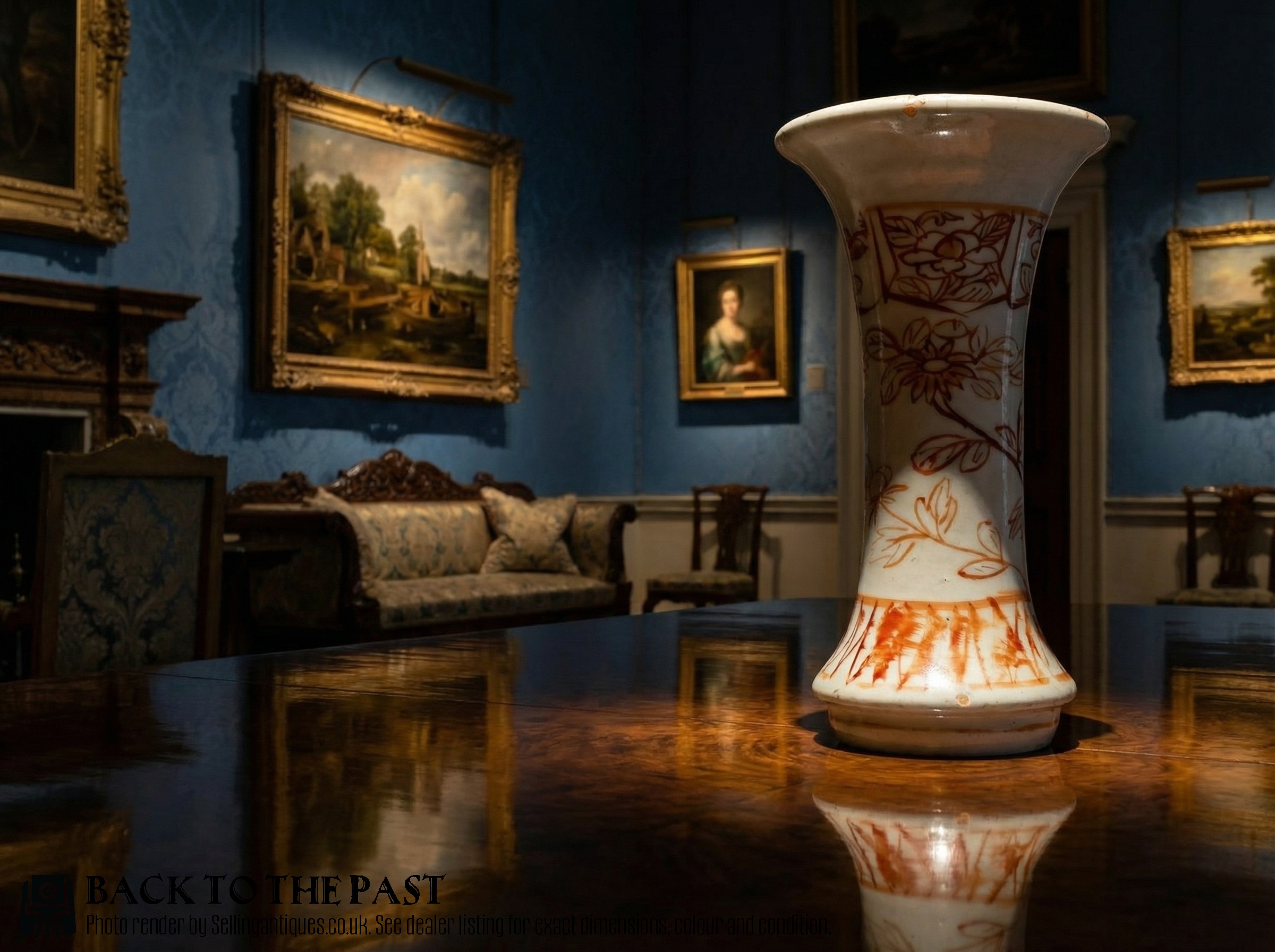
When you search for 18th century japanese ceramics, you encounter porcelain forms produced in Japan during the Edo period. These pieces span decorative dishes, large jars, and table lamps.
Arita forms dominate the selection, often featuring the Imari palette alongside blue and white designs. Bowls, chargers, and vases frequently appear with cranes and scrolling foliate borders.
European factories occasionally drew inspiration from these wares, leading to specific cross-cultural overlap in the broader selection. The core of what you meet remains rooted in Japanese kilns.
How They Were Made
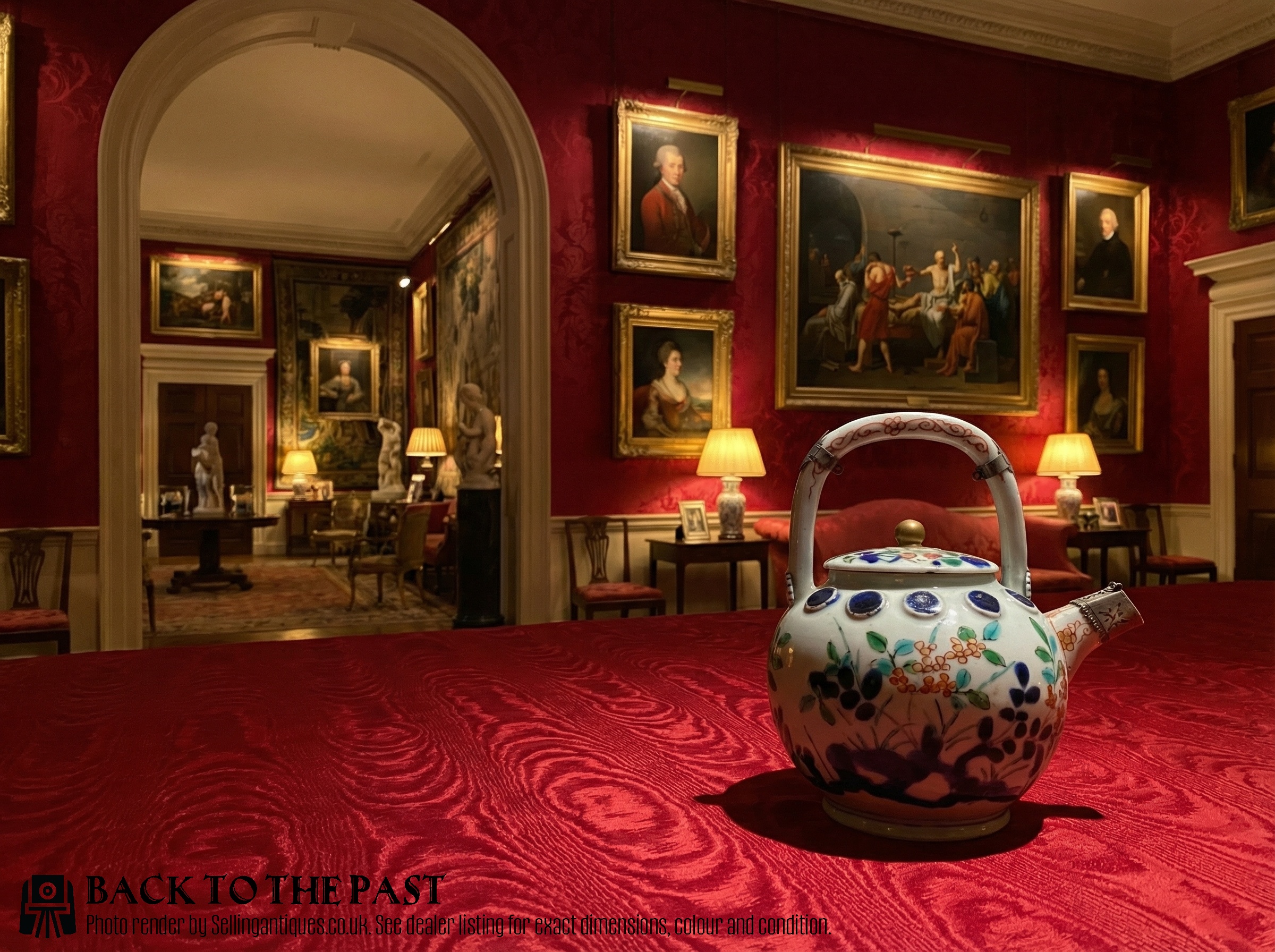
Potters shaped porcelain bodies by hand or in shallow relief moulds, later applying glaze before firing. Selected items incorporate gold leaf and detailed enamel work over the initial glaze layer.
The characteristic palette relies on iron red, black, and cobalt blue pigments applied across dishes and vases. Certain vessels feature moulded surface depth paired with careful brushwork.
Listings feature porcelain forms from the Edo period, including Arita Imari vases, dishes, and bowls decorated with enamel and gold leaf.
What Varies in Quality
Quality rests upon the precision of the hand-painted details within the Imari palette and blue and white motifs. Crisp execution of scrolling foliate borders and bird or crane subjects distinguishes finer specimens.
The structural integrity of larger forms, such as jardiniere vessels and large-scale bowls and covers, determines desirability. Depth of glaze application and control over the firing process further define the tier of each piece.
The 18th Century Japanese Ceramics Glossary
- Arita
- A Japanese town and the historical centre of porcelain production. Pieces originating here form the backbone of early ceramic output.
- Imari
- A style of Japanese export porcelain characterised by a distinct palette. It typically combines cobalt blue, iron red, and gold.
- Edo Period
- The historical epoch in Japan running from the early seventeenth to the mid-nineteenth century. Much of the ceramic output aligns with this timeline.
- Jardiniere
- A large ornamental pot designed to hold plants or flowers. These items often showcase substantial painted surfaces.
18th Century Japanese Ceramics: Frequently Asked Questions
How do I identify Arita porcelain?
Arita porcelain is identified through its fine white body and characteristic decoration styles, including the Imari palette and blue and white designs.
Many examples hail from the Edo period and feature traditional motifs such as cranes and floral borders.
What is the Imari palette?
The Imari palette is a traditional colour scheme used on Japanese export porcelain.
It primarily combines underglaze cobalt blue with iron red and gold enamel over the glaze.
How were these ceramics used originally?
These ceramics served both practical and decorative functions in households.
Dishes, bowls, and ewers were used for dining and serving, while large vases and chargers acted as prominent display pieces.
Are these pieces from the Edo period?
Yes, many of these items date to the Edo period of Japanese history.
This era spans from the seventeenth through the nineteenth centuries, covering the main production dates of these porcelains.