
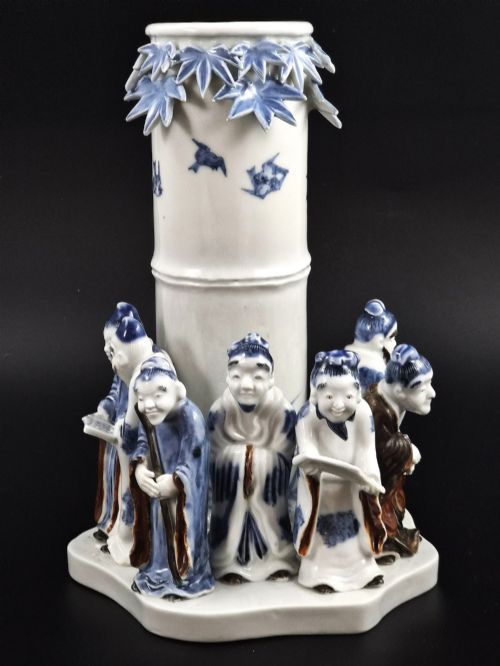

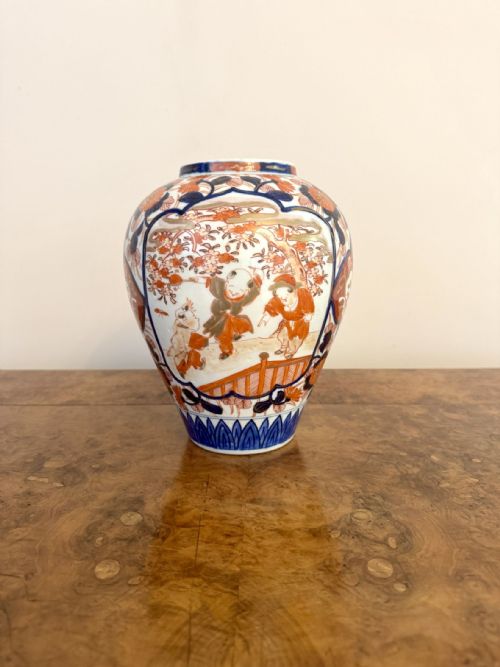
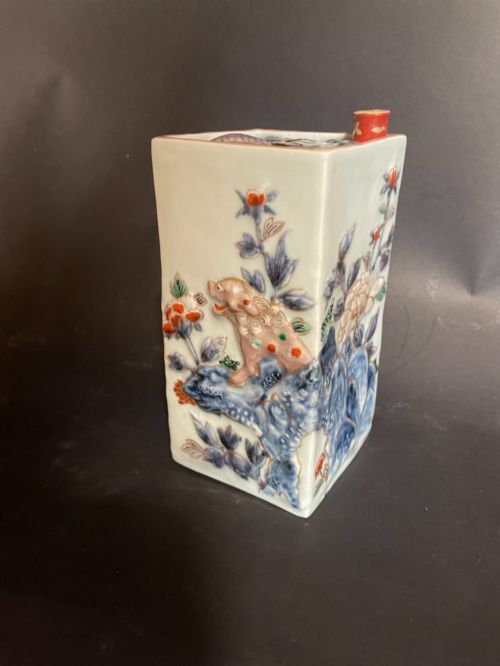


Edo Period Ceramic Vessel
An edo period ceramic vessel brings historic Japanese craftsmanship into your home, offering tangible connections to centuries of skilled pottery traditions.
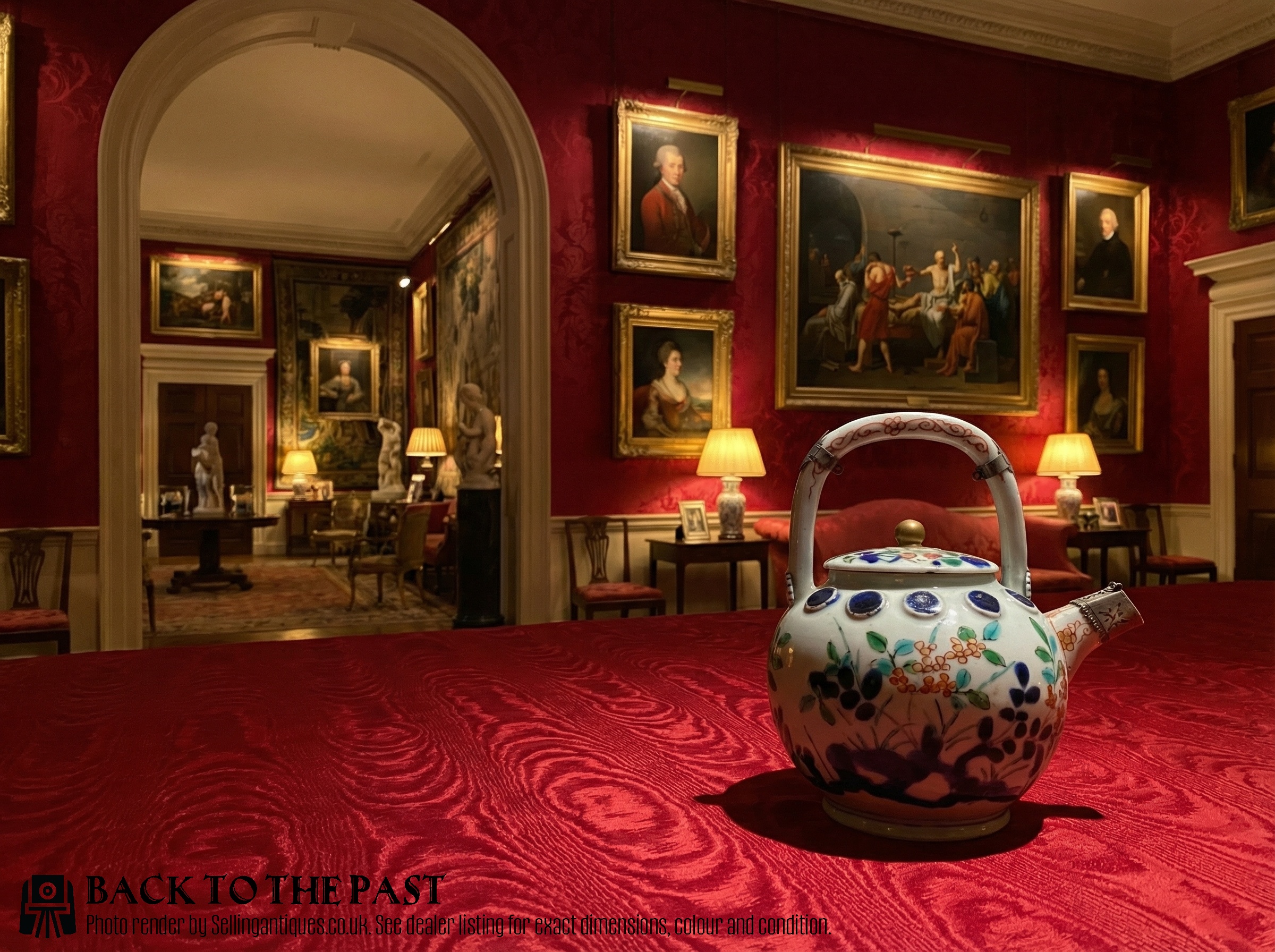
Edo Period Ceramic Vessel
When you search for an edo period ceramic vessel, you encounter a selection of historic Japanese wares encompassing diverse forms such as vases, jardiniere, sake flasks, incense burners, and decorative dishes.
The objects listed on this page showcase distinct stylistic traditions including Japanese Imari and Japanese Kakiemon, originating from periods spanning the seventeenth century through to the nineteenth century.
How they were made
The makers of these objects utilised porcelain bodies shaped into vessels, bowls, and jars, often finished with decorative glazes and enamel work.
Many pieces incorporate gold leaf, gilt, and gilding to accentuate their visual appeal and detail the ceramic surfaces.
Some vessels were made specifically for burning incense, meaning your antique might still hold a faint trace of centuries-old fragrance.
What varies in quality
Quality in these vessels is evident in the precision of the shaping, such as clean scallop edges and exact hexagonal geometry.
The refinement of the enamel work and the careful application of gold leaf or gilding distinguish the finer examples from simpler utilitarian wares.
The Edo Period Ceramic Vessel Glossary
- Edo Period
- The era in Japanese history spanning from sixteen hundred and three to eighteen hundred and sixty-eight, noted for cultural flourishing and ceramic development. This time frame underpins many historic wares found today.
- Imari
- A style of Japanese export porcelain originating from the town of Arita, typically characterised by underglaze blue and overglaze red and gold. These vessels were widely exported to Europe.
- Kakiemon
- A style of Japanese enamel porcelain featuring asymmetrical designs and a delicate palette of colours, produced in Arita. It remains distinct from heavier Imari wares.
Edo Period Ceramic Vessel: Frequently Asked Questions
What is an edo period ceramic vessel?
An edo period ceramic vessel is a historic piece of Japanese pottery created during the Tokugawa shogunate, encompassing everything from everyday sake flasks to ornamental vases.
These items reflect the sophisticated ceramic techniques and artistic styles developed in workshops across Japan during centuries of relative peace.
How were these vessels used originally?
Many of these vessels served practical functions in daily life, such as holding sake, burning incense, or containing water and plants.
Others were created primarily for display or export, showcasing the remarkable decorative arts demanded by domestic and international patrons alike.
How do I care for antique porcelain?
Antique porcelain requires gentle handling, ideally washing by hand in lukewarm water with mild soap when cleaning is necessary.
Keep these vessels away from extreme temperature fluctuations and direct sunlight to protect fragile enamel and gilding over time.