
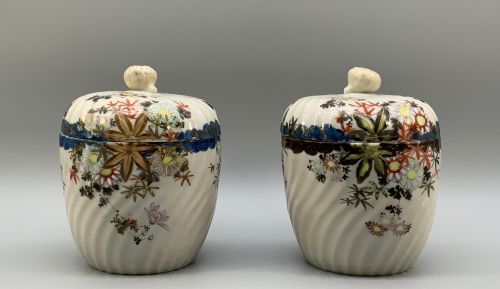


Enamelled Porcelain Pot
These enamelled porcelain pots combine delicate ceramic bodies with vibrant coloured pigments, offering both decorative charm and a glimpse into historical global craftsmanship.
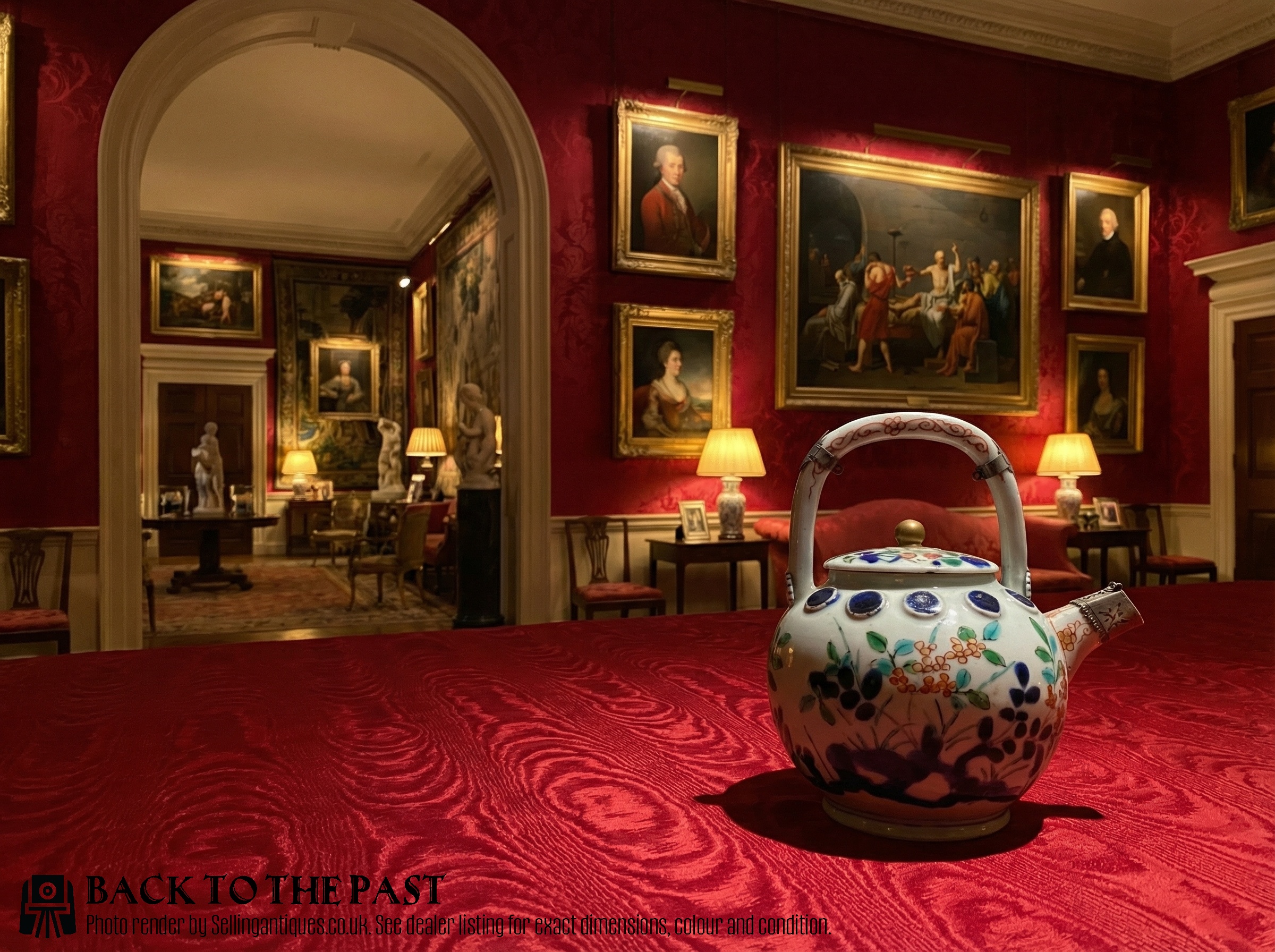
Enamelled Porcelain Pot
When you search for an enamelled porcelain pot, you are looking at lidded jars, trinket boxes, brush pots, and small vessels that merge ceramic bodies with colourful applied decoration. These objects serve as both functional containers and decorative works of art originating from various international traditions.
On this page, you are most likely to meet Chinese ceramics from the Qing dynasty alongside Japanese wares from the Meiji period and European nineteenth-century interpretations. The forms range from hexagonal planters and lidded jars to delicate trinket boxes and ewers.
How they were made
The foundation of these pieces relies on fired ceramic or porcelain bodies, sometimes paired with glass or bone china. Artisans then applied detailed enamel pigments over or under the glaze, often integrating gilding and gold leaf for added lustre.
Techniques varied from the intricate hand-painted floral motifs seen in Canton wares to the underglaze blue and contrasting iron red enamels characteristic of transitional and period Chinese jars.
Current listings feature materials including enamel, porcelain, gold leaf, glass, brass, ceramic, gilding, and bone china across multiple centuries.
What varies in quality
Quality in these vessels is determined by the precision of the brushwork and the vibrancy of the enamel palette. Pieces featuring finely rendered birds, flowers, or imperial dragons display a higher degree of artistic control than simpler utilitarian items.
The presence of accurate period marks, balanced proportions, and well-preserved gilding separates exceptional examples from standard production pieces.
The Enamelled Porcelain Pot Glossary
- Famille Rose
- A palette of opaque rose-pink enamel introduced in Chinese ceramics during the Qing dynasty. This distinctive colour scheme allowed for subtle tonal gradations in floral and figurative scenes.
- Doucai
- A Chinese porcelain technique involving underglaze blue outlines filled in with contrasting overglaze enamels. The resulting design creates a vibrant interplay of colour and line.
- Imari
- A style of Japanese export porcelain characterised by a strong colour palette of underglaze blue, iron red, and gilt highlights. These wares were widely produced in Arita for both domestic and international markets.
- Gilding
- The application of gold leaf or powdered gold to the surface of ceramics or mounts. This technique accentuates rims, handles, and decorative borders.
- Wucai
- Meaning five colours in Chinese, this technique combines underglaze blue with overglaze green, red, yellow, and eggplant purple enamels. It creates rich, multi-layered surface patterns.
Enamelled Porcelain Pot: Frequently Asked Questions
How do I clean an enamelled porcelain pot?
Dust these delicate surfaces gently with a soft, dry brush to prevent the accumulation of particles.
Avoid using water, chemical cleaners, or abrasive cloths, as these can damage fragile overglaze enamels and delicate gilding.
Can I use these pots for holding liquids?
Most antique pots and lidded jars are intended for decorative display rather than daily utilitarian use.
Thermal shock or moisture can compromise older ceramic bodies and historical enamel layers over time.
What is the difference between Famille Rose and Famille Verte?
Famille Rose relies predominantly on opaque pink and softer pastel enamels introduced during the later imperial periods.
Famille Verte utilises a richer green enamel palette alongside iron red and yellow, typical of earlier Qing dynasty production.