


Orange Floral Porcelain Vase
These orange floral porcelain vase pieces offer striking colour and pattern, combining rich ceramic traditions with classic decorative forms.
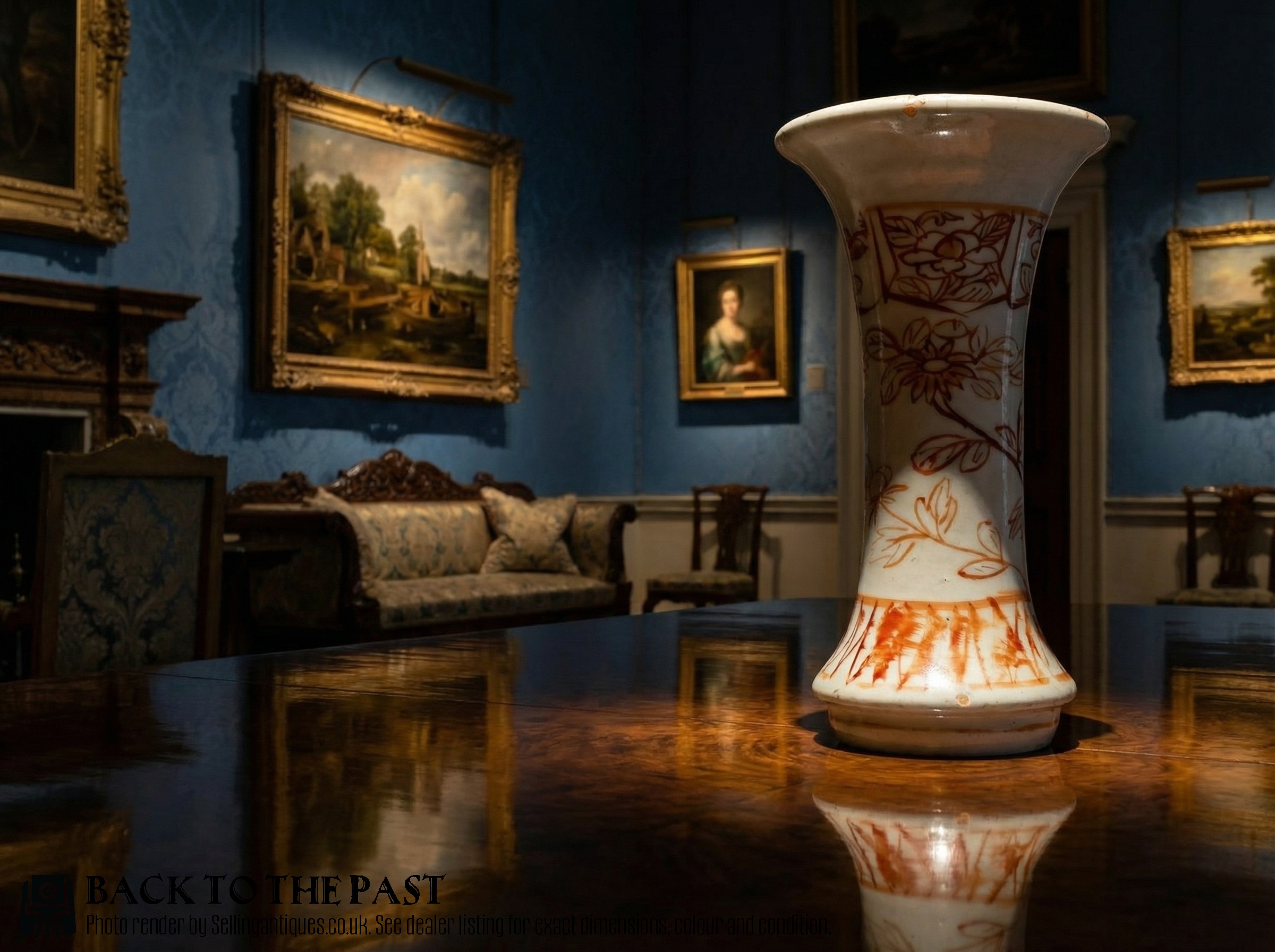
Orange Floral Porcelain Vase
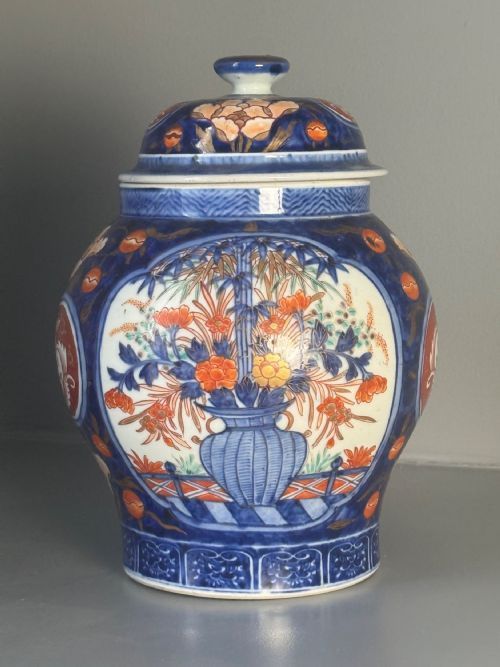
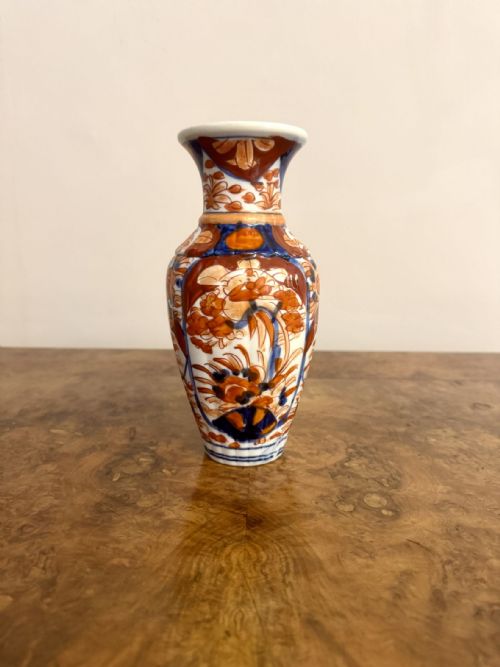
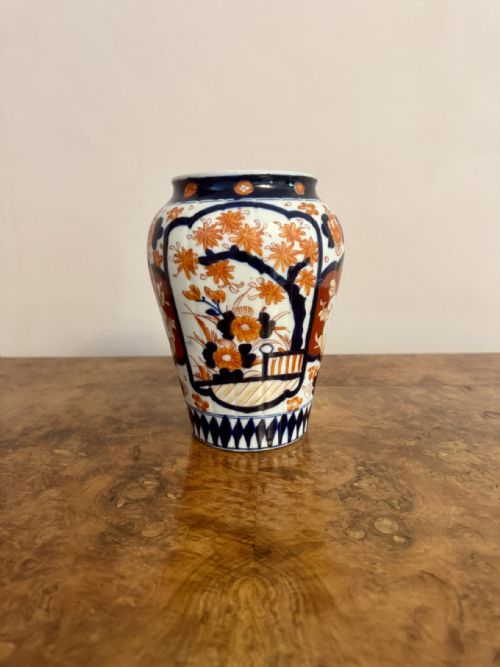
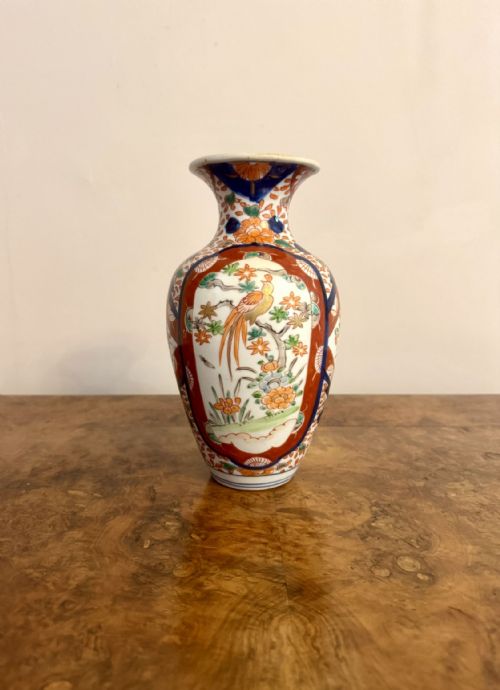
An orange floral porcelain vase brings together vibrant ceramic bodies and detailed botanical motifs drawn from international decorative traditions. When searching for an orange floral porcelain vase, buyers encounter numerous examples originating from Japanese export workshops and nineteenth century production centres. The selection on this page leans heavily toward Japanese Imari ware, featuring characteristic iron-red and cobalt decoration on white ceramic.
Forms span from double gourd vessels and bottle shapes to lidded ginger jars and converted table lamps. Makers shaped these porcelain bodies during the Meiji period and broader nineteenth century, alongside occasional pieces from the Edwardian and Art Deco eras. Collectors value these objects for their distinct palette and historical manufacturing provenance.
Materials and methods
Potters formed these items using high-firing ceramic and fine porcelain clays shaped into bottles, jars, and urns. Artisans then applied underglaze cobalt and overglaze enamel colours, often incorporating gold leaf or gilt highlights to accent the floral patterns. Kiln firing fixed the glaze and vitrified the ceramic body to produce a durable finished surface.
Many items utilise traditional Japanese Arita techniques, where hand painted iron-red floral designs combine with blue underglaze elements. Subsequent Victorian and Edwardian European pieces sometimes adopted similar ceramic bodies with hand painted floral decoration and enamel finishes.
Materials recorded across the inventory include enamel, gold leaf, glaze, cobalt, and ironstone applied to traditional Arita and Victorian forms.
Assessing quality and craftsmanship
Quality rests primarily upon the crispness of the hand painted floral motifs and the richness of the enamel and gilt application. Superior examples demonstrate precise brushwork across the porcelain surface without blurring or pooling in the glaze. The weight and proportion of the ceramic body also distinguish finer output from standard commercial wares.
The complexity of the form influences desirability, with double gourd shapes, lidded ginger jars, and matched pairs commanding greater attention. Surviving original covers and consistent colour saturation across matching garnitures add notable merit to an individual piece.
The Orange Floral Porcelain Vase Glossary
- Imari
- A traditional style of Japanese porcelain originating from Arita, typically characterised by a palette of iron-red, cobalt blue, and gilt. This style became immensely popular in European export markets during the nineteenth century.
- Meiji Period
- The era in Japanese history spanning from 1868 to 1912, marked by extensive international trade and the production of highly detailed decorative arts. Pieces from this period frequently display exceptional technical proficiency.
- Gourde
- A bulbous ceramic vessel shape featuring a constricted waist, resembling a traditional dried gourd fruit. These double forms present distinct decorative surfaces for floral motifs.
- Ginger Jar
- A decorative ceramic container with a broad shoulder and matching lid, originally utilised for storing spices or preserved roots. Nineteenth century examples were frequently adopted as purely ornamental display pieces.
- Arita
- The Japanese town and surrounding region famous for establishing the country's porcelain industry. Ceramics produced here formed the basis of much of the export trade.
Orange Floral Porcelain Vase: Frequently Asked Questions
What is an Imari vase?
An Imari vase is a Japanese porcelain vessel decorated in distinctive cobalt blue and iron-red enamel, frequently enhanced with gold leaf. These pieces were produced largely for export during the nineteenth century.
Such items display rich floral and panel designs applied over a white ceramic ground, reflecting traditional Arita kiln techniques.
How do I date a porcelain vase?
Dating relies on examining the ceramic body, glaze characteristics, and painting style alongside any associated period markers. Nineteenth century pieces often show specific craquelure or hand painted iron-red pigments.
Comparison with documented examples from the Meiji period or Victorian era helps establish a reliable timeframe of manufacture.
Were these vases used for flowers?
While some vessels served functional roles for displaying botanical stems, many larger lidded jars and garnitures functioned primarily as decorative interior objects. Their intricate enamel surfaces meant they were often displayed on mantelpieces or tables.
Converted table lamps also appear, showing how owners adapted older ceramic forms for domestic illumination.
How should I clean porcelain?
Cleaning requires gentle dusting with a soft, dry cloth to protect delicate overglaze enamels and gilt highlights. Avoid submerging antique ceramics in water, particularly if they feature old repairs or exposed unglazed bases.
Professional conservation advice is recommended for pieces showing significant age or fragile surface decoration.